
Companion Plants
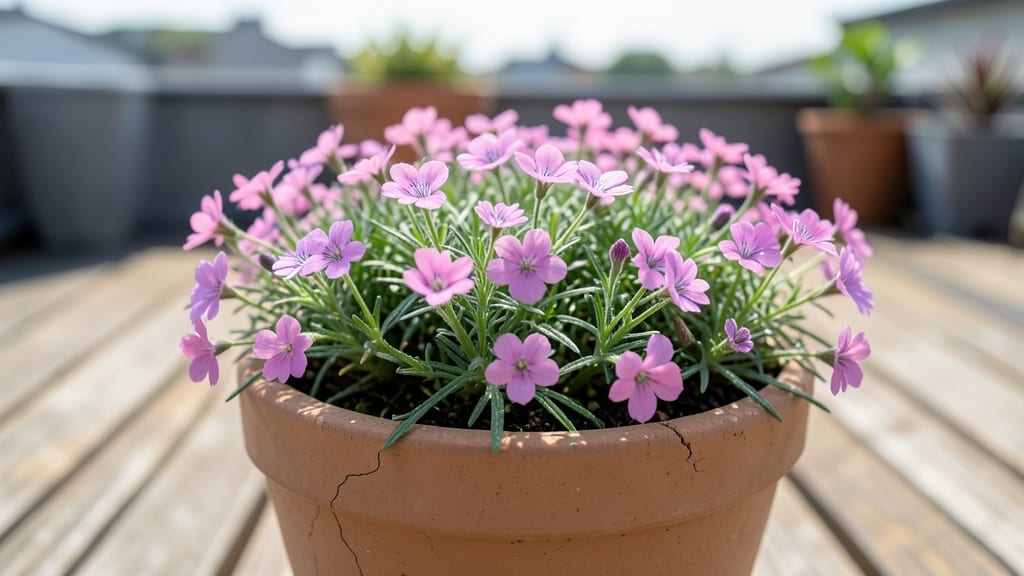
Transforming your rooftop into a thriving pollinator paradise doesn’t require green thumbs or endless maintenance. These 10 low-maintenance container plants attract bees, butterflies, and hummingbirds while surviving urban conditions with ease.
Lavender English Hedge for Fragrant Pollinator Haven
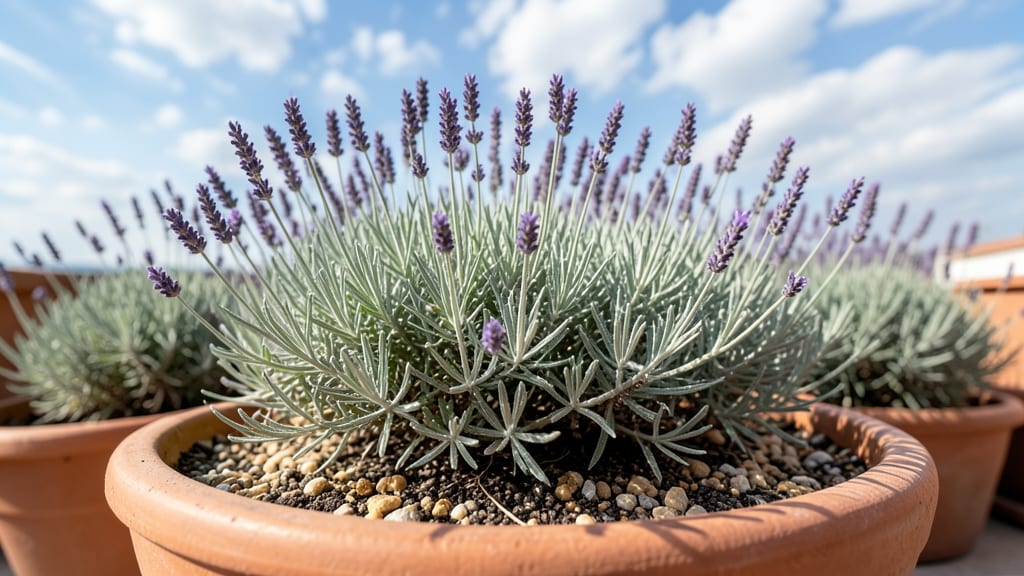
Turn your rooftop into a fragrant escape with English lavender, a drought-resistant powerhouse that thrives in containers while repelling pests and drawing pollinators. Its silvery foliage and purple spikes create a Mediterranean charm that’s as easy to grow as it is beautiful.
Plant in well-draining soil with 6 hours of sun daily, watering only when the top inch feels dry. Prune lightly after flowering to encourage bushier growth—this low-maintenance perennial rewards you with years of blooms and a signature scent that deters aphids naturally.
Perfect for small spaces, rooftop gardens, or balcony planters, lavender’s resilience makes it ideal for urban gardeners who want beauty without the fuss. 🌿
Sedum Autumn Joy for Year-Round Roof Color
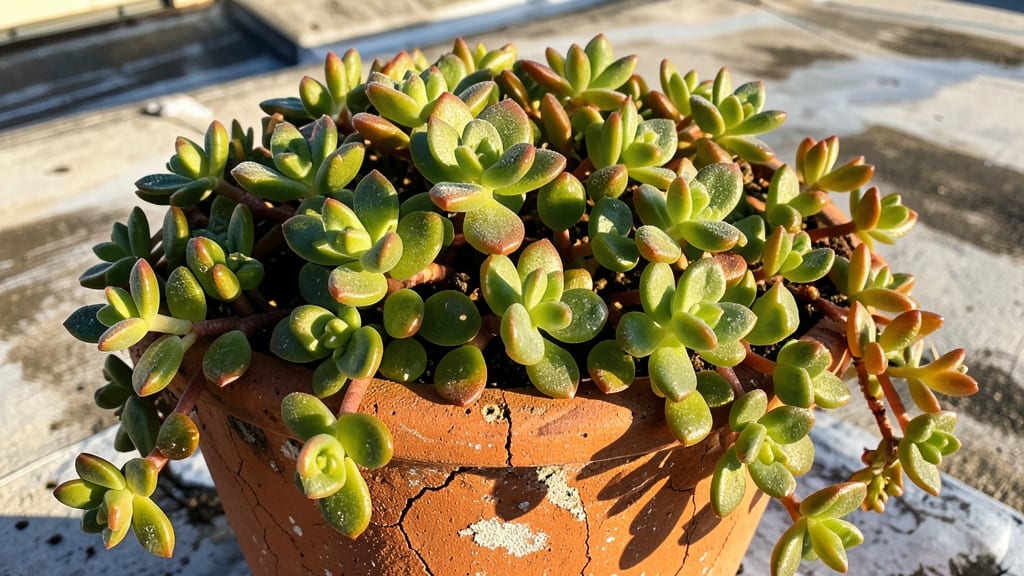
When summer heat turns your rooftop into a baking pan, Sedum Autumn Joy turns up the color while barely breaking a sweat. This drought-tolerant succulent thrives in full sun and transforms from summer green to fiery copper-red foliage by fall, creating a dramatic seasonal show that no other container plant matches.
Plant it in lightweight containers to spill over edges, where its trailing habit adds soft texture while attracting hoverflies and bees to its tiny yellow blooms. Unlike lavender, it doesn’t need deadheading—just trim back leggy stems in spring. The key to its success? Well-draining soil and minimal watering once established; it stores moisture in its thick leaves like a built-in reservoir. 🌻
This is the perfect low-maintenance star for urban rooftops with hot, dry conditions—giving you both beauty and pollinator benefits without the fuss of frequent care. 💚
Catmint Walker’s Low for Long-Blooming Bee Magnet
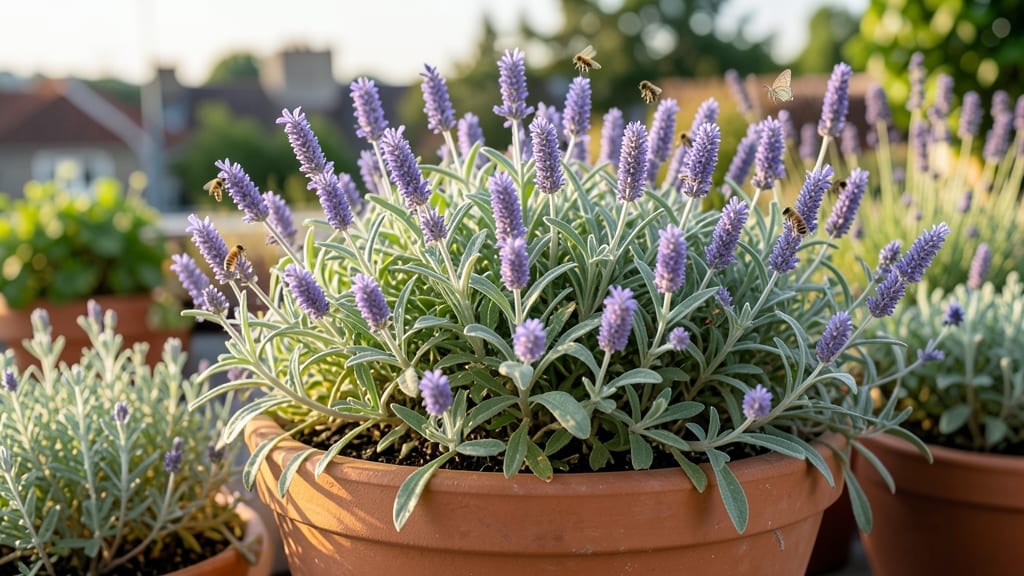
If you want a pollinator powerhouse that works harder than most perennials, catmint Walker’s Low delivers lavender-blue blooms from early summer straight through to frost. Unlike short-lived annuals, this disease-resistant workhorse keeps bees buzzing and butterflies fluttering for months—no replanting required.
This deer- and rabbit-proof plant thrives in well-drained containers with 6 hours of sun daily, making it perfect for rooftop edges or hanging baskets. Prune back by half after flowering to encourage bushier growth next season. Its silvery foliage also adds texture contrast to your urban garden palette.
Ideal for beginner gardeners and urban rooftops, Walker’s Low combines low maintenance with high rewards—just add water and watch the pollinators arrive. 🌻
Sweet Alyssum for Tiny Containers and Winter Blooms
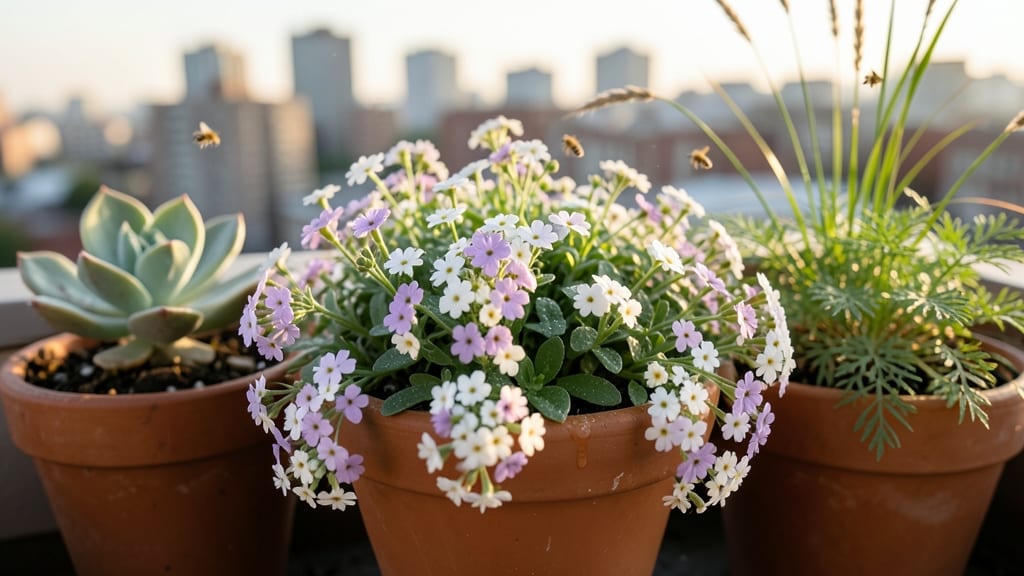
Tucking sweet alyssum into your rooftop containers isn’t just about filling empty spaces—it’s about creating a fragrant, edible pollinator magnet that blooms even when other plants rest. This delicate annual thrives in 3-6 inch pots, making it perfect for squeezing between larger plants or lining container edges with its cascading habit.
With its honey-scented flowers (yes, they’re edible!), sweet alyssum attracts tiny pollinators like hoverflies and parasitic wasps while resisting deer and rabbits. Plant it in full sun to partial shade and keep soil consistently moist for continuous blooms—it even flowers year-round in USDA zones 7-10. The bonus? Its mild, slightly sweet flavor makes it a great garnish for salads or cocktails. 🌿
Russian Sage for Drought-Tolerant Vertical Interest
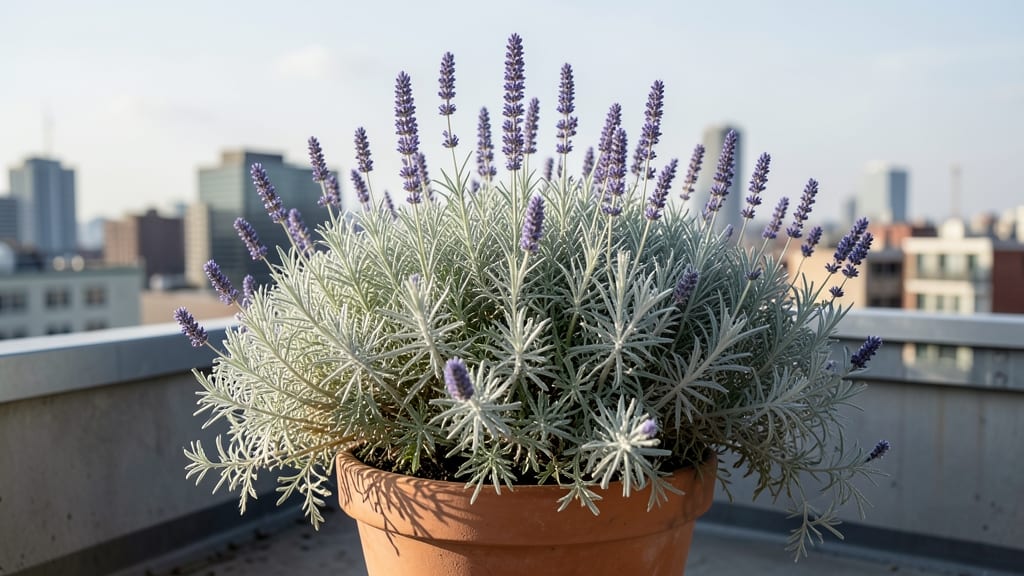
Looking for a drought-tolerant plant that adds drama to your rooftop without demanding perfect soil? Russian sage (Perovskia atriplicifolia) delivers vertical structure with its airy, silvery foliage and striking lavender-blue flower spikes that bloom from mid-summer through fall.
This hardy perennial thrives in poor, well-draining soil and only needs 6 hours of sun to flourish—ideal for urban rooftops where space is limited. Unlike sprawling ground covers, Russian sage grows 3-5 feet tall, perfect for tall containers or as a backdrop for shorter pollinators like sweet alyssum or catmint. Its late-season blooms provide critical nectar when other plants have faded, keeping bees and butterflies visiting well into autumn.
Best for low-maintenance gardeners and urban rooftops, Russian sage requires minimal pruning (just trim back in early spring) and resists deer and rabbits. It’s the silent workhorse of pollinator gardens—beautiful, tough, and always buzzing with activity. 🌻
Black-Eyed Susan for Bold Summer Pollinator Feast
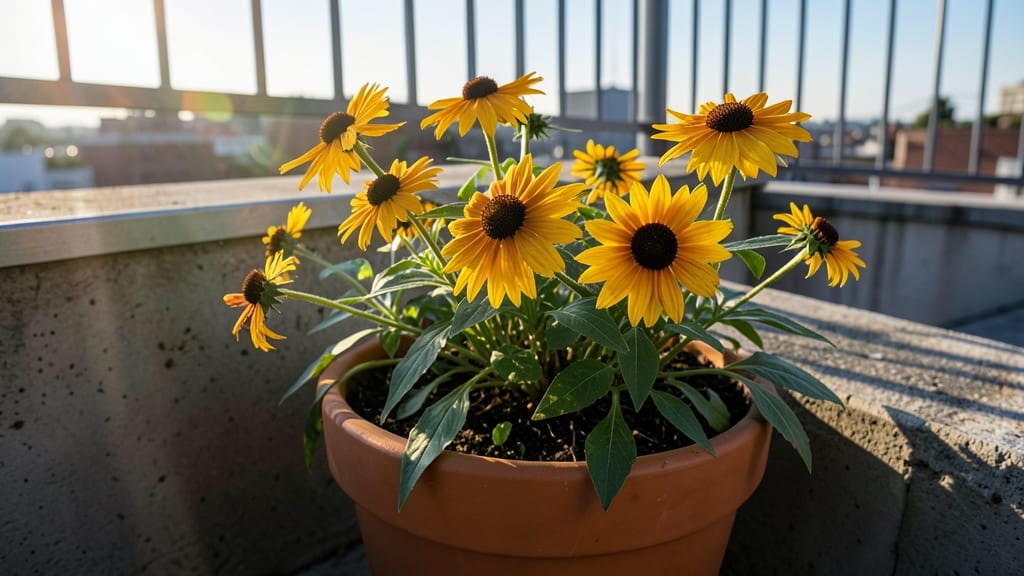
Want a rooftop garden that bursts with color while supporting pollinators? Black-eyed Susans (Rudbeckia hirta) deliver bold golden-yellow daisies that thrive in urban heat and wind, making them perfect for containers.
These hardy perennials bloom from mid-summer to fall, providing critical nectar for monarch butterflies and bees when other flowers fade. Plant them in well-draining soil with full sun to partial shade, and they’ll reward you with low-maintenance beauty that lasts until frost. Their dark centers add striking contrast to your rooftop palette.
Ideal for beginner gardeners and urban rooftops, Black-eyed Susans bring effortless charm while helping local ecosystems. Pair them with other pollinator plants for a season-long feast of color and life. 🌻
Thyme Lemon for Culinary Pollinator Garden Edge
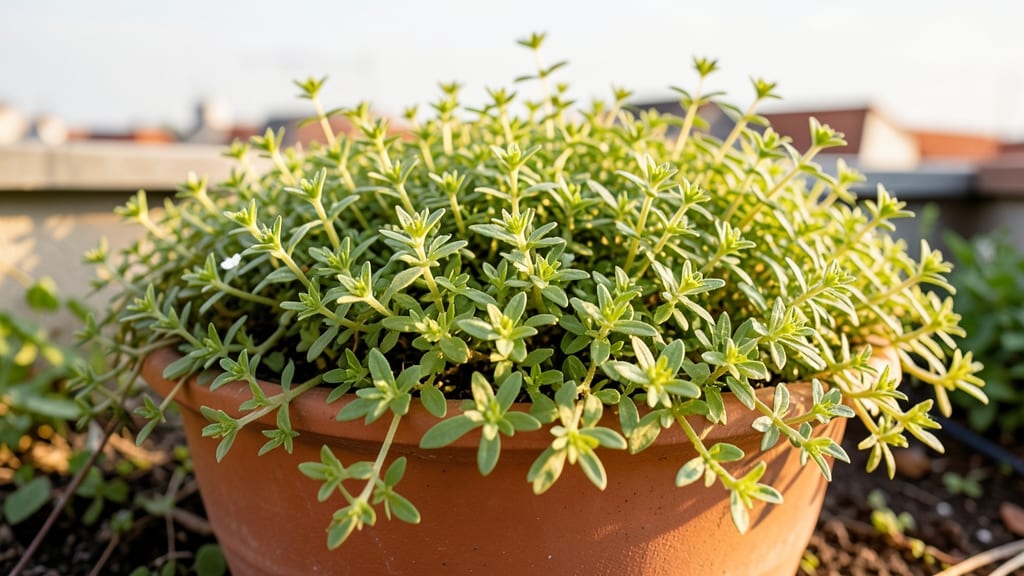
Thyme Lemon isn’t just a kitchen staple—it’s a dual-purpose pollinator powerhouse that adds fragrance, flavor, and function to your rooftop garden’s edges. This low-growing perennial spreads beautifully in containers, creating a living border that repels pests while luring solitary bees with its tiny yellow blooms.
Plant it in well-draining soil with full sun to partial shade, and watch it thrive with minimal care. The lemon-scented leaves deter aphids and spider mites naturally, while its compact growth (6–12 inches tall) makes it perfect for tight spaces. Harvest leaves for cooking or let them stay for pollinators—either way, you’ll get a year-round benefit.
Urban gardeners and rooftop chefs will love this edible ground cover—it’s the secret weapon for adding flavor and function without sacrificing beauty. 🌿
Coneflower Purple Emperor for Late-Season Butterflies
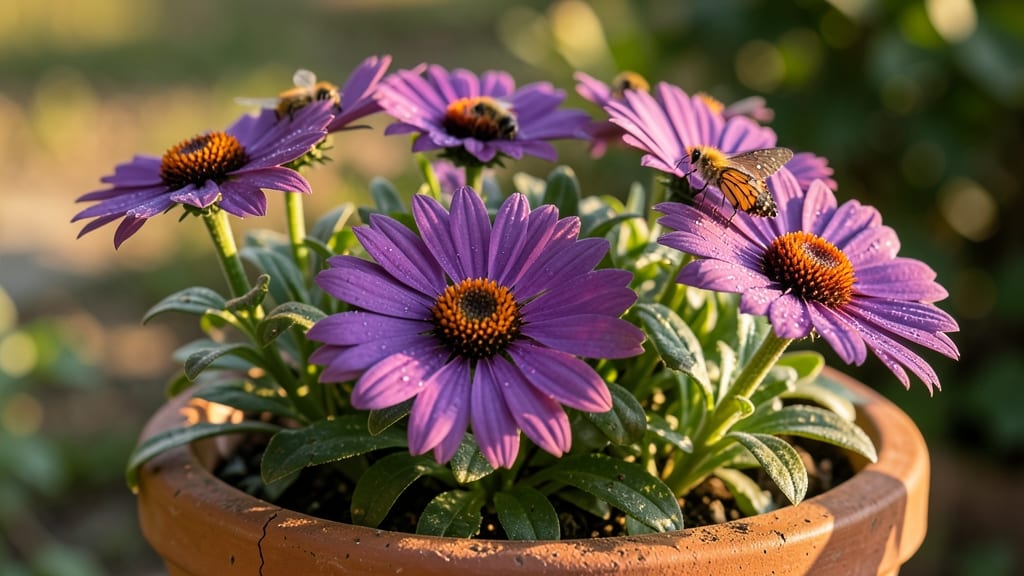
When summer blooms start fading but your pollinator guests still need sustenance, Coneflower Purple Emperor steps up as the unsung hero of late-season gardens. This hardy perennial produces striking daisy-like blooms with deep purple petals and warm orange centers that monarch butterflies and bees adore—especially when other flowers have gone dormant.
Perfect for rooftop containers, Purple Emperor thrives in full sun to partial shade and needs minimal water once established. Its deep roots make it drought-tolerant, while its upright growth habit (2-4 feet tall) adds vertical interest without overwhelming small spaces. Deadhead spent blooms to encourage more flowers until frost, and you’ll enjoy a steady stream of pollinators through autumn.
This is the ideal choice for urban gardeners who want low-maintenance beauty with high pollinator impact. Pair it with Russian Sage for a striking late-season duo that keeps your rooftop buzzing until winter. 🌻
Goldenrod Solidago for Hummingbird Favorite Nectar
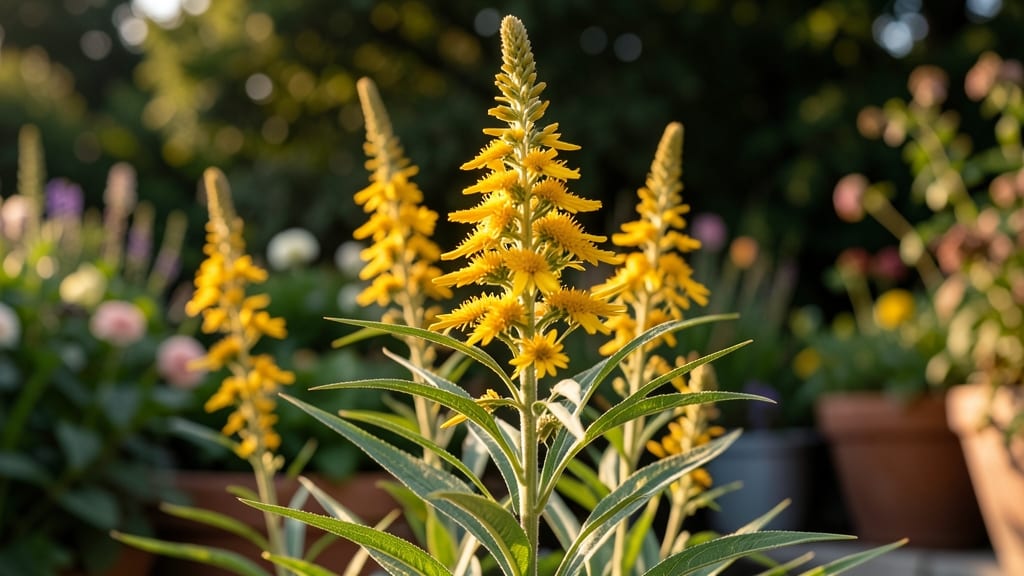
When hummingbirds are preparing for migration, goldenrod (Solidago) stands as their late-season lifeline with its towering bright yellow plumes that burst into bloom from August through October. This native perennial offers a critical nectar source when most flowers have faded, making it a standout choice for urban rooftops where pollinators face food shortages.
Plant goldenrod in well-draining containers with full sun to partial shade, allowing its 3-5 foot stems to sway dramatically in the breeze. Deadhead spent blooms to encourage prolonged flowering, and pair it with coneflowers for a layered pollinator buffet. Its deep root system stabilizes containers while tolerating drought once established.
Perfect for rooftop gardeners who want to extend the blooming season and support migrating hummingbirds, goldenrod’s cheerful plumes also add vertical drama to container arrangements. 🌻
Moss Phlox for Early Spring Roof Garden Color

Brighten up your rooftop garden before summer even arrives with moss phlox—a cheerful, low-growing perennial that bursts into pink or purple blooms as early as March in many climates. This hardy plant thrives in shallow containers, making it perfect for lightweight rooftop setups where space and weight matter.
Moss phlox prefers full sun to partial shade and tolerates poor, dry soil, requiring minimal care once established. Its dense, mat-forming habit spreads beautifully in 3-6 inch deep containers, creating a lush carpet of color that early pollinators can't resist. Just be sure to deadhead spent blooms to encourage continuous flowering.
Ideal for beginner rooftop gardeners or those seeking early-season color, moss phlox adds a pop of vibrancy when few other plants are blooming. Pair it with sweet alyssum for a fragrant, pollinator-friendly spring display. 🌷