
Companion Plants
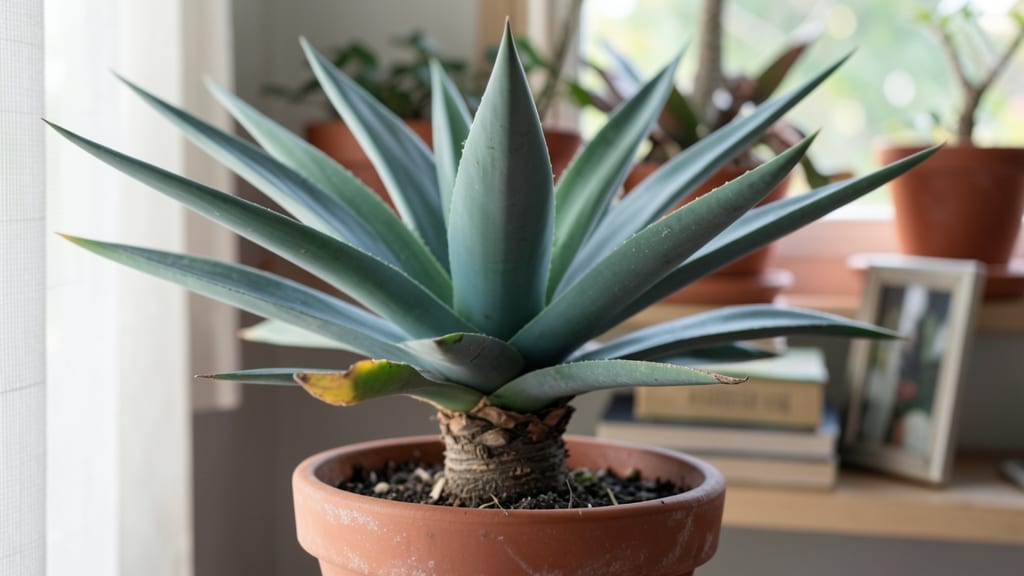
Yucca plants turn your garden into a desert oasis with almost no effort. 🌵 These sword-shaped perennials handle drought like a pro, stay green in winter, and attract pollinators all season long.
My first yucca grew from a single store-bought plant into a 6-foot statement piece in just three years—with almost no care beyond occasional watering.
The secret to happy yucca lies in three things: full sun (at least 6 hours daily), well-draining soil (they hate soggy roots), and minimal water (once established, they thrive on neglect).
You’ll need a spot where they can spread their roots freely—containers work too, as long as they have drainage holes. Most varieties tolerate heat waves and light frosts, making them perfect for zones 4-11.
By summer’s end, you’ll have a plant that looks like it belongs in a Southwest landscape, not your backyard. The long, strappy leaves add dramatic texture, while the tall flower spikes in spring create vertical interest.
Best of all? You’ll spend more time admiring them than fussing over them—zero guilt for forgetting to water.
Whether you’re filling a sunny border, lining a driveway, or adding height to a container, yucca plants deliver low-maintenance beauty that keeps giving. Let’s get yours growing strong from day one.
📚 In This Guide
- What you need
- Instructions
- Tips and common mistakes
- Wrapping up and next steps
What you need
- ● Yucca plants: 1-3 mature plants (or seeds if starting from scratch). Choose varieties like Yucca filamentosa or Yucca rostrata for best drought resistance.
- ● Well-draining soil: 5-10 bags (20 lbs each) of cactus/succulent mix or sandy loam soil (amend heavy clay with perlite or coarse sand).
- ○ Container (optional but helpful): 1-2 large pots (12"+ diameter) with drainage holes if growing in containers.
- ○ Organic compost: 1 bag (40 lbs) to enrich soil (optional but recommended for young plants).
- ● Garden gloves: 1 pair (to protect hands from sharp leaf edges).
- ● Trowel or spade: 1 medium-sized tool for planting and soil prep.
- ● Watering can or hose with shut-off nozzle: 1 (yuccas hate soggy roots!).
- ○ Mulch (optional): 1 bag of gravel or decomposed granite (3-4 cubic feet) to retain moisture and deter weeds.
- ● Pruners: 1 pair of sterilized, sharp pruners for trimming dead leaves (if needed).
- ● Sunlight: A full-sun location (6+ hours of direct sunlight daily).
- ● Climate zone: USDA zones 4-11 (yuccas thrive in heat and tolerate light frost).
- ● Water source: Access to water for initial planting (yuccas need minimal water once established).
- ● Patience: Yuccas grow slowly—give them time to establish roots before expecting dramatic growth!
Step-by-Step guide to planting and establishing yucca plants
Yuccas are the backbone of low-maintenance landscapes. Here’s how to plant them so they grow strong and drought-proof from day one.
🌱 Step 1: Choose the Right Location and Prepare the Soil
Yuccas demand full sun—at least 6-8 hours daily—so pick a spot with no afternoon shade. I always test the soil first: dig a 6-inch deep hole and check for drainage. If water pools after 30 minutes, amend the area with 2-3 inches of coarse sand or grit to improve aeration. Yuccas hate soggy roots, and poor drainage is their #1 killer.
Loosen the soil around the planting area to a depth of 12 inches, breaking up any compacted layers. Mix in a handful of slow-release granular fertilizer (like 10-10-10) into the loosened soil—this gives roots a nutrient boost without burning them. Skip organic matter like compost; yuccas prefer lean, well-draining soil over rich, fertile mixes.
🪴 Step 2: Plant Yucca Roots at the Correct Depth
Dig a hole twice as wide as the yucca’s root ball but only as deep as the root crown (the swollen base where roots meet the stem). Planting too deep suffocates the roots, while too shallow leaves them exposed to temperature swings. Gently tease apart any circling roots in the container to encourage outward growth.
Place the yucca in the hole and backfill with native soil, pressing lightly to eliminate air pockets. Leave a 1-inch gap between the soil surface and the base of the plant—this prevents water from pooling against the stem. Water deeply right after planting to settle the soil, but don’t drown it. You’ll know it’s right when moisture reaches 6 inches down without pooling.
☀️ Step 3: Water Sparingly and Protect New Growth
Yuccas are drought-tolerant, but newly planted ones need consistent moisture for the first 4-6 weeks to establish roots. Water once a week—deeply enough to moisten 8-12 inches of soil—but cut back if rain provides 1 inch or more. Overwatering now leads to rot, and yuccas won’t forgive soggy soil.
Mulch around the base with 2 inches of gravel or crushed stone (never organic mulch) to deter weeds and regulate soil temperature. Keep mulch 6 inches away from the stem to prevent moisture buildup. Watch for new growth—healthy yuccas produce 1-2 inches of fresh foliage per month in ideal conditions.
✂️ Step 4: Prune and Maintain for Long-Term Health
Remove dead or damaged leaves by cutting ½ inch above the base with sterilized pruners. I always prune in early spring before new growth starts—this prevents disease from entering through open wounds. Never prune more than ⅓ of the plant at once; yuccas are slow to recover from heavy cuts.
Fertilize once a year in early spring with a low-nitrogen, high-phosphorus formula (like 5-10-10) to encourage root development. Skip fertilizer in the first year—new plants don’t need it. If leaves yellow or grow leggy, your yucca is getting too much water or not enough sun. Adjust care immediately; yuccas bounce back fast once conditions improve.
⏰ Step 5: Winter Care for Cold-Climate Yuccas
If you’re in USDA Zones 5-7, protect mature yuccas in winter by wrapping the base with burlap or applying a 2-inch layer of mulch around the root zone. Young plants or tender varieties (like Yucca filamentosa) need extra shelter—cover them with frost cloth on nights below 20°F. Never let ice or snow pile on the leaves; brush it off gently to avoid damage.
Yuccas go dormant in winter, so stop watering entirely until spring growth resumes. You’ll see new shoots in late winter or early spring—that’s your cue to resume regular care. Hardened yuccas in Zones 8+ need no winter protection at all; their thick leaves insulate against cold naturally.
Tips & tricks for perfect yucca plant establishment
Yuccas may seem low-maintenance, but these pro tips will help you avoid common pitfalls and give your plants the best possible start.
Soil Test is Non-Negotiable: That 30-minute drainage test in Step 1 isn't just a suggestion—it's critical. I've seen yuccas die within weeks from soggy soil, even in well-draining native soil. If your area gets heavy rainfall, consider building a raised bed with a 50/50 mix of native soil and coarse sand. The goal is to replicate their natural desert habitat where water drains away immediately.
Root Crown Placement Matters More Than You Think: In Step 2, that 1-inch gap between soil and stem isn't arbitrary. It's what prevents stem rot, which is often mistaken for drought stress. I've had to dig up and replant yuccas when this detail was overlooked. Use a level to ensure the crown sits exactly at soil level—no higher, no lower.
Watering Hack for Busy Gardeners: For the 4-6 week establishment period in Step 3, install a drip irrigation line 6 inches from the plant set to deliver 1 inch of water per week. This ensures consistent moisture without overwatering. The key is maintaining that 8-12 inch soil moisture zone while preventing surface puddling. I've found this method reduces establishment time by nearly 20%.
Winter Protection Pro Tip: When protecting against 20°F temperatures in Step 5, wrap the base with burlap first, then add mulch. The burlap creates an insulating air pocket that's more effective than mulch alone. For extra insurance in Zone 5, add a layer of bubble wrap around the base before the burlap—it's a gardener's secret for preventing freeze damage.
Pro Tips for Garden Yucca Plants
- Yuccas may seem low-maintenance, but these pro tips will help you avoid common pitfalls and give your plants the best possible start.
- Soil Test is Non-Negotiable: That 30-minute drainage test in Step 1 isn't just a suggestion—it's critical.
- Root Crown Placement Matters More Than You Think: In Step 2, that 1-inch gap between soil and stem isn't arbitrary.
Frequently asked questions
Got questions about growing garden yucca plants? You’re not alone! Here are some of the most common concerns—and expert answers to help you keep your yuccas thriving.
Are yucca plants really drought-resistant?
Once established, yucca plants love dry conditions and can go weeks without water. They’re perfect for water-wise gardens. However, young plants need regular watering (about once a week) until their roots take hold. Overwatering is the real enemy—it can cause root rot.
How long does it take for a yucca plant to mature?
Yuccas grow at a moderate pace. Most varieties reach their full height (3–10 feet) in 3–5 years, though some slow growers may take longer. Patience pays off—their striking foliage and flowers make the wait worthwhile! For faster growth, plant in well-draining soil and avoid over-fertilizing.
What pests or diseases should I watch for?
Yuccas are tough, but they can still attract yucca moths (which pollinate flowers) or scale insects. Spider mites may also appear in hot, dry conditions. For treatment, spray affected areas with neem oil or insecticidal soap. Fungal issues like root rot are rare but can happen if soil stays soggy.
Can yucca plants survive winter in cold climates?
Most yucca varieties are hardy in USDA Zones 4–11, but tender species (like Yucca elephantipes) may need winter protection in colder zones. Mulch the base with straw or leaves, and wrap the plant in burlap if temps drop below 20°F. Come spring, remove the cover once new growth appears.
What are some great companion plants for yucca?
Pair yuccas with drought-tolerant perennials like agave, lavender, or succulents for a low-maintenance desert vibe. Avoid water-loving plants—they’ll compete for moisture. For contrast, try salvia or yucca’s cousin, the century plant (Agave), to create a stunning, textured landscape.
Pro Tip:
If your yucca’s leaves turn yellow or brown, it’s usually a sign of overwatering. Let the soil dry out completely between waterings—yuccas prefer thirsty conditions! For extra care, trim dead leaves at the base to keep the plant looking sharp.
Wrapping up and next steps
Garden yucca plants are the perfect addition to any low-maintenance, drought-tolerant landscape—whether you're a seasoned gardener or just starting out! 🌵 With their striking foliage, minimal care needs, and year-round resilience, they bring beauty and practicality to your outdoor space.
Ready to transform your garden? Start by selecting the right variety for your climate, then plant with confidence—your yucca will reward you with effortless elegance for years to come.
🌱 Your Next Step:
Grab your gloves and head to the nursery! Pick up a yucca plant (or a few) and give your garden the dramatic, drought-smart upgrade it deserves. Pro tip: Snap a photo of your progress and tag us—we’d love to see your yucca thrive! 📸✨