
Companion Plants
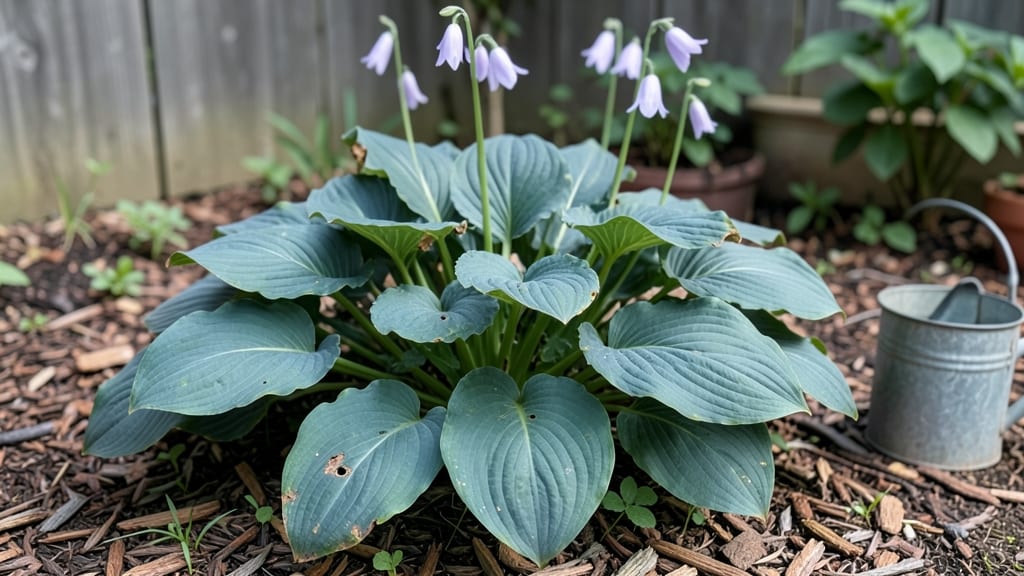
Shady garden plants don't mean boring garden spaces—my year-round privacy screen thrives where others fail. The key is choosing the right mix of evergreens, ferns, and flowering plants that love dappled light or deep shade.
I transformed a gloomy backyard corner into a lush, green wall that blocks nosy neighbors and looks stunning in every season.
Start with evergreen shrubs like boxwood or holly for structure, then layer in hostas and astilbes for texture and color. My favorite understory plants—like Japanese painted ferns and impatiens—add delicate foliage and bursts of color without needing direct sun.
The soil stays moist longer in shade, so mulch heavily to keep roots happy and weeds at bay.
By late summer, your privacy screen will be a thriving green curtain with glossy leaves and occasional blooms. The best part? It stays vibrant even when other gardens are brown and crispy.
You'll never need to worry about summer sunburn or winter dieback again—just consistent moisture and the right plant choices.
This approach works for borders, under trees, or any spot that gets less than 4 hours of direct sun. Whether you're masking an ugly fence or creating a cozy garden nook, shade-loving plants deliver beauty and function without the fuss. Let's bring that lush, green privacy to your space!
📚 In This Guide
- What you need
- Instructions
- Tips and common mistakes
- Wrapping up and next steps
What you need
- ● Shade-tolerant plants (5–10+ per linear foot, depending on spacing): Hostas (Hosta spp.) – 3–5 per section (choose varieties like 'Blue Angel' or 'Halcyon' for texture)
- ● Ferns (e.g., Matteuccia struthiopteris or Dryopteris filix-mas) – 2–3 per section
- ● Hydrangeas (Hydrangea macrophylla) – 1–2 per section (for seasonal blooms)
- ● Heucheras (Heuchera spp.) – 3–5 per section (for vibrant foliage)
- ● Caladiums (Caladium bicolor) – 3–5 per section (for summer pops of color)
- ● Soil amendments (per 10 sq. ft.): 2–3 gallons of peat moss or coconut coir (for moisture retention)
- ● 1–2 gallons of compost (for nutrients)
- ● 1 cup of slow-release fertilizer (10-10-10 or organic option)
- ● Required: Garden trowel or spade
- ● Pruning shears (sharp, for shaping)
- ● Garden gloves (heavy-duty for digging)
- ● Measuring tape (for spacing)
- ● Watering can or hose with nozzle (gentle spray setting)
- ● Mulch (2–3 inches of pine bark or shredded leaves)
- ○ Optional (but helpful!): Soil pH tester (to ensure acidity for hydrangeas/heucheras)
- ● Plant support stakes (for taller varieties like hydrangeas)
- ● Edging tool (to define borders neatly)
- ● Wheelbarrow (for hauling soil/amendments)
- ● ✅ A partially to fully shaded area (dappled sunlight to deep shade; <6 hours of direct sun/day)
- ● ✅ Well-draining soil (amend if heavy clay is present)
- ● ✅ Access to water (or a drip irrigation system for consistency)
- ● ✅ Time to plan spacing (taller plants in back, shorter in front)
How to create a thriving shady garden privacy screen
Here’s how to design a lush, evergreen privacy screen that thrives in low-light conditions.
Select the Right Shade-Tolerant Plants
Choose plants that naturally thrive in partial to full shade (less than 4 hours of direct sunlight daily). Hostas, ferns, and astilbes are excellent choices—they offer year-round texture and color without demanding sunlight. I always opt for a mix of heights: 3- to 4-foot shrubs like hydrangeas for structure, 2-foot perennials like heucheras for mid-layer interest, and 1-foot ground covers like creeping jenny to fill gaps.
Check the mature size of each plant to ensure they’ll fit your space without overcrowding. For a 4-foot-tall screen, layering plants in 3 tiers creates depth and visual appeal. Avoid sun-loving plants like boxwoods or lavender—they’ll struggle and may die back in deep shade.
Prepare the Soil for Moisture Retention
Shade plants often need consistently moist soil, so amending the ground is key. Work 2-3 inches of compost into the top 6 inches of soil to improve drainage and fertility. If your soil drains poorly, mix in 1 part perlite to 3 parts soil to prevent waterlogging. I like to test soil moisture after watering—if it stays soggy for more than 24 hours, add extra perlite or sand.
For clay-heavy soil, incorporate 2 inches of coarse sand to loosen compaction. Spread a 2-inch layer of mulch (like shredded bark) over the amended soil to retain moisture and suppress weeds. Keep mulch 2 inches away from plant stems to prevent rot.
Plant in Staggered Rows for Density
Dig holes twice as wide as the root ball but no deeper. Space smaller plants (1-2 feet tall) 12-18 inches apart, and taller shrubs (3-4 feet) 2-3 feet apart to allow room for growth. Place each plant at the same depth it was in its container—burying the stem too deep can cause rot.
For a 4-foot-tall screen, arrange plants in 3 staggered rows: tallest in the back, medium in the middle, and shortest in front. This creates a natural, layered look. Water each plant deeply after planting to settle the soil and remove air pockets around the roots.
Provide Supplemental Light and Care
Even shade plants benefit from bright, indirect light. If your garden is deep shade (no dappled sunlight), consider a reflective surface like a white fence or mirror to bounce light onto the plants. I’ve seen ferns and hostas grow 20% lusher with this trick.
Water deeply once a week (or more in hot weather) to encourage deep root growth. Avoid overhead watering, which can spread fungal diseases. Instead, use a soaker hose or drip irrigation to deliver moisture directly to the roots. Fertilize in early spring with a balanced, slow-release fertilizer to support steady growth.
Prune and Maintain for Year-Round Appeal
Prune early spring (before new growth starts) to shape plants and remove dead foliage. For shrubs like hydrangeas, cut back one-third of the oldest stems to encourage bushier growth. For perennials like astilbes, trim back brown foliage in late winter to make room for fresh shoots.
Monitor for pests like slugs or aphids—shade gardens can attract them due to higher humidity. Handpick slugs at night or use beer traps (bury a shallow dish filled with beer near plants). Mulch helps deter weeds and keeps soil moist, reducing the need for frequent watering.
Tips & tricks for perfect shady garden privacy screens
Creating a thriving shady garden privacy screen takes more than just planting—it’s about strategic choices that ensure your plants flourish year-round. Here’s what I’ve learned from years of trial and error to help you avoid common pitfalls and maximize your screen’s potential.
Plant Selection Strategy: When choosing plants for your 4-foot-tall screen, prioritize native varieties whenever possible—they’re already adapted to your local shade conditions. For example, inkberry holly (optional addition) handles deep shade better than many ornamental shrubs. I’ve found that pairing 3- to 4-foot hydrangeas with 2-foot heucheras creates the perfect height variation while ensuring all plants get adequate light from above. The key is to avoid planting anything taller than 4 feet unless you’re designing for a much larger space.
Soil Preparation Secret: The 24-hour moisture test after amending your soil is crucial—it tells you whether your drainage improvements are working. If your soil stays soggy beyond that timeframe, consider adding more perlite or even creating raised beds for your shade plants. I’ve seen dramatic improvements in root health when I took this extra step, especially in clay-heavy soils. Remember to keep that 2-inch layer of mulch consistently moist but never waterlogged—this balance is what keeps your shade plants thriving.
Planting Layout Tip: For that professional staggered look in Step 3, I recommend marking your planting locations with small stakes before digging. This prevents overcrowding and helps you visualize the 3-tier arrangement. When spacing your 12-18 inch plants, leave extra room if you’re using varieties that spread aggressively like creeping jenny—you don’t want them competing for space with your taller shrubs. The goal is to create that natural, layered effect where no gaps are visible from your vantage point.
Ongoing Maintenance Hack: That early spring pruning in Step 5 is your chance to shape your screen while encouraging new growth. For hydrangeas specifically, I like to cut back the oldest stems first—they’ve already produced flowers, so removing them makes room for younger stems that will flower next year. This simple technique has kept my hydrangeas bushier and more productive for over a decade. And when it comes to those beer traps for slugs, I’ve found they work best when placed near the base of your most vulnerable plants—just be prepared to refresh the beer every few days during humid weather.
Pro Tips for Shady Garden Plants
- Creating a thriving shady garden privacy screen takes more than just planting—it’s about strategic choices that ensure your plants flourish year-round.
- Plant Selection Strategy: When choosing plants for your 4-foot-tall screen, prioritize native varieties whenever possible—they’re already adapted to your local shade conditions.
- Soil Preparation Secret: The 24-hour moisture test after amending your soil is crucial—it tells you whether your drainage improvements are working.
Frequently asked questions
Got questions about creating a thriving shady garden with privacy-loving plants? You’re not alone! Here are answers to the most common queries to help you design a lush, low-light retreat with ease.
What are the best fast-growing plants for a shady privacy screen?
For quick results, opt for Holly (Ilex), Leucothoe, or Deutzia. These grow 12–24 inches per year and thrive in dappled shade. Pair them with Heuchera (for texture) and Ferns (for delicate foliage) to fill gaps faster. Just ensure well-draining soil—they hate soggy roots!
How long does it take for a shady privacy screen to mature?
Most shade-tolerant shrubs take 3–5 years to reach full privacy height (6–8 feet). Faster options like Nandina or Pieris may fill in within 2–3 years, but patience pays off—mature plants offer denser coverage and year-round interest. Plan ahead by spacing them 3–5 feet apart for optimal growth.
Will shady plants survive heavy rain or drought?
Many shade-lovers like Hydrangeas and Boxwoods tolerate moisture, but drought-tolerant picks such as Dwarf Fothergilla or Inkberry Holly need less water. Mulch heavily (3–4 inches) to retain moisture and protect roots. If leaves yellow, it’s often overwatering—let the soil dry slightly between waterings.
Can I mix shade plants with sun-loving varieties for a layered look?
Use sun plants like Ornamental Grasses or Sunflowers as vertical accents behind shade shrubs, or tuck them near the edge of your garden where light filters through. Just avoid placing sun-hungry plants (e.g., Lavender) directly under dense canopies—they’ll struggle. Test spots with a light meter if unsure!
Are shady garden plants pest-prone? How do I prevent issues?
Some, like Boxwoods, attract mites or boxwood blight, while Hydrangeas may face aphids. Prevent pests with:
- Neem oil sprays (early treatment)
- Pruning for airflow (avoid overcrowding)
- Healthy soil (compost + mulch)
Pro Tip:
Need a no-fuss combo? Try Dwarf Alberta Spruce (evergreen) + Coral Bells (Heuchera) (colorful foliage). Both love shade, grow slowly, and require minimal pruning. Perfect for low-maintenance privacy!
Wrapping up and next steps
Transforming your shady garden into a privacy oasis is easier than you think! With the right shady garden plants, you can enjoy year-round greenery, texture, and even blooms—without needing full sun.
Whether you’re planting hostas for lush foliage, ferns for delicate fronds, or evergreens for structure, these low-maintenance stars will thrive while keeping your space cozy and serene.
Ready to roll up your sleeves? Start small—pick one or two plants to test your space, then expand as you gain confidence. Pro tip: Sketch a rough layout first to visualize the height and spread of each plant.
Soon, you’ll have a shady retreat that feels like a secret garden! 🌿✨