
Tools
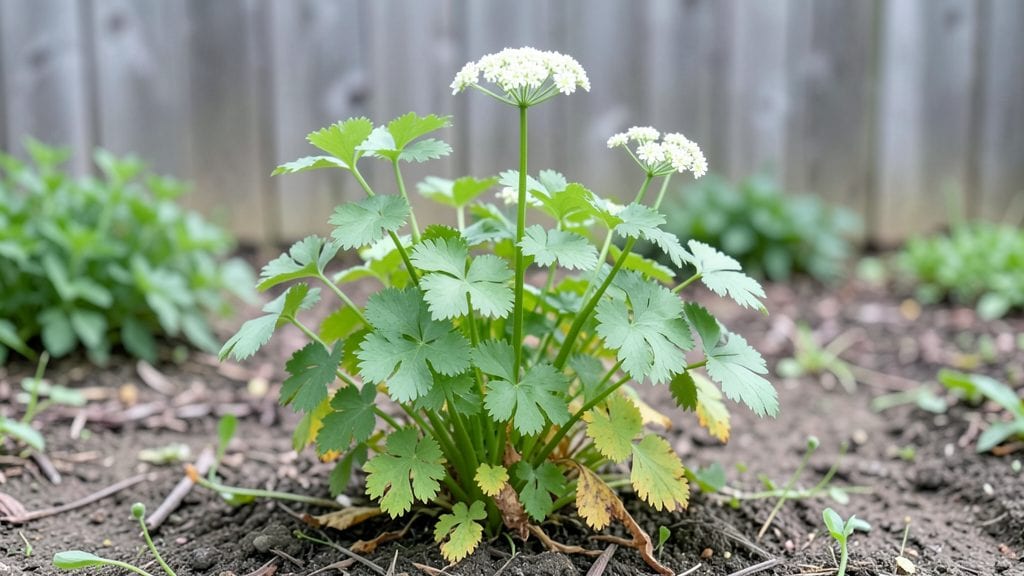
Growing cilantro in your garden means fresh, fragrant leaves for tacos, soups, and salsas—if you avoid the two biggest pitfalls: bolting and pests. 🌿 I’ve grown cilantro for years, and the difference between a thriving plant and a bitter, bolted mess comes down to a few key choices: the right soil mix, consistent moisture, and shade during hot afternoons.
The good news? You don’t need a sprawling garden—cilantro grows just as well in containers as it does in garden beds. Start with loose, well-draining soil (a mix of compost and potting soil works perfectly), and plant seeds directly rather than buying transplants.
They germinate quickly, often within a week, and you can even sow successive batches every two weeks for a steady harvest.
By midseason, you’ll be harvesting bright green leaves that stay tender and flavorful—no bitter tang, no wasted effort.
The secret is keeping the soil moist (not soggy) and providing partial shade when temperatures climb above 75°F. With these adjustments, you’ll enjoy fresh cilantro for months, not just a few short weeks.
Works for both sunny patios and shady garden corners, and the same principles apply whether you’re growing in pots or in-ground. Here’s how to keep it thriving all season long.
📚 In This Guide
- What you need
- Instructions
- Tips and common mistakes
- Wrapping up and next steps
What you need
- ● Cilantro seeds: 1–2 packets (about 100–200 seeds). Choose heirloom or organic varieties for best results.
- ● Well-draining potting mix: 1–2 bags (look for organic or peat-free blends). For soil gardens, enrich with compost.
- ○ Containers (optional): 6–12-inch deep pots (if not planting directly in the ground). Ensure they have drainage holes!
- ● Compost or organic fertilizer: 1–2 cups (for soil enrichment). A balanced 10-10-10 or veggie-specific blend works well.
- ● Watering can or hose with a gentle nozzle: For even moisture without disturbing seeds.
- ● Garden trowel or small hand shovel: For planting seeds and mixing soil.
- ○ Gloves (optional): To keep hands clean while handling soil.
- ○ Mulch (optional): Straw or shredded leaves to retain moisture and suppress weeds.
- ○ Plant labels (optional): To track varieties and planting dates.
- ○ Shade cloth (optional): If growing in hot climates, use 30–50% shade to prevent bolting.
- ● A sunny spot: 6+ hours of direct sunlight daily (partial shade works in hotter regions).
- ● Moderate watering: Keep soil consistently moist but not soggy (cilantro hates drought!).
- ● Patience: Seeds germinate in 7–14 days—stay consistent with care!
Step-by-Step instructions for growing cilantro in your garden
Here’s how to grow cilantro that stays fresh and flavorful—no more bolting surprises.
🌱 Step 1: Choose the Right Spot and Prep the Soil
Cilantro thrives in cool weather and partial shade, especially in hot climates. Pick a location that gets 4-6 hours of morning sun and afternoon shade. If planting in containers, use the 5-gallon pots from your supplies—they give roots room to spread without overheating.
Loosen the soil to a depth of 6 inches to help roots establish. Mix in 1 cup of compost per planting area to enrich the soil naturally. Cilantro prefers soil that drains well but stays moist, so avoid heavy clay unless amended. If using garden beds, space plants 6 inches apart to prevent overcrowding.
🌱 Step 2: Sow Seeds at the Correct Depth and Spacing
Scatter the cilantro seeds lightly over the prepared soil, spacing them ¼ inch apart. Press them gently into the soil with your fingers—don’t bury them deeper than ½ inch, or they’ll take forever to sprout. A light covering of soil ensures good contact with moisture.
Thin seedlings to 3-4 inches apart once they reach 2 inches tall. This might seem wasteful, but crowded cilantro grows leggy and weak. Use scissors to snip extra plants at soil level—it’s cleaner than pulling. Water gently after sowing to settle the seeds into the soil.
💧 Step 3: Keep Soil Consistently Moist (But Not Soggy)
Cilantro hates drying out, so water every 2-3 days until the top inch of soil feels dry. Use a watering can with a fine rose to avoid disturbing the soil. In containers, check moisture daily—pots dry out faster than garden beds. Overwatering causes root rot, so always let excess water drain away.
Mulch around plants with 1 inch of straw or shredded leaves to retain moisture and keep soil cool. This is especially important in hot weather, which triggers bolting. Mulch also suppresses weeds, which compete for nutrients and water.
☀️ Step 4: Protect from Heat and Bolting
When temperatures rise above 75°F, cilantro bolts—sending up bitter flower stalks. To delay this, provide afternoon shade with a shade cloth or move container plants to a cooler spot. Bolting isn’t the end of the world; just harvest leaves before flowers form for the best flavor.
If you live in a warm climate, try a second planting in late summer for a fall harvest. Cilantro grows best in 50-75°F conditions, so plan around your local frost dates. Harvest regularly to encourage bushier growth—pinch back flower stalks immediately if they appear.
✂️ Step 5: Harvest and Maintain for Continuous Growth
Start harvesting cilantro when plants reach 6-8 inches tall. Snip leaves from the outer stems first, leaving the inner growth intact. This method keeps plants productive for weeks. For a steady supply, harvest every 2-3 weeks—don’t wait until all leaves are mature.
Fertilize lightly every 4-6 weeks with ½ cup of balanced fertilizer (10-10-10) dissolved in water. Too much nitrogen makes leaves taste bland, so go easy. If plants look leggy, they need more light or less water. Adjust care based on how they respond—cilantro is forgiving if you stay consistent.
Tips & tricks for perfect cilantro growth in your garden
Growing cilantro that stays fresh and flavorful takes a few key tricks—here's what I've learned after seeing too many plants bolt before their time.
Soil Prep Secret: The 6-inch soil depth you loosen in Step 1 isn't just about roots—it's about creating the perfect microclimate. For containers, mix in an extra ¼ cup of perlite to improve drainage while keeping moisture. In garden beds, work in 1 cup of compost per square foot rather than per planting area to ensure consistent nutrients across your entire patch. This prevents uneven growth that leads to leggy plants.
Thinning Technique: When you thin seedlings to 3-4 inches apart in Step 2, don't pull—snip at soil level with clean scissors. This prevents disturbing nearby roots, which can shock the remaining plants. I've found that thinning at 2 inches tall gives you the best balance between plant density and root development. The extra seedlings you remove can actually be replanted in a separate spot if you have extra space!
Heat Management: That 75°F threshold in Step 4 is critical—cilantro starts bolting even before reaching this temperature in some varieties. For extra protection, use a 30% shade cloth during peak afternoon sun (12-4 PM). In containers, move pots to a cooler location like a garage or covered porch for a few hours daily. I've had success growing cilantro year-round in warm climates by rotating containers between sunny and shaded spots.
Harvesting Hack: The 2-3 week harvest cycle in Step 5 works best if you harvest in the morning when essential oils are most concentrated. Use sharp scissors to cut just above leaf nodes—this encourages new growth from those points. For a continuous supply, harvest one-third of the plant at a time rather than taking everything, which gives the plant time to recover between harvests.
Pro Tips for Cilantro In Garden
- Growing cilantro that stays fresh and flavorful takes a few key tricks—here's what I've learned after seeing too many plants bolt before their time.
- Soil Prep Secret: The 6-inch soil depth you loosen in Step 1 isn't just about roots—it's about creating the perfect microclimate.
- Thinning Technique: When you thin seedlings to 3-4 inches apart in Step 2, don't pull—snip at soil level with clean scissors.
Frequently asked questions
When is the best time to plant cilantro in my garden?
Cilantro thrives in cool weather, so plant it in early spring or late summer (after the last frost). Avoid hot summers—it bolts (goes to seed) quickly in temperatures above 75°F (24°C). For a continuous harvest, try succession planting every 2–3 weeks.
Can I grow cilantro in containers, and what’s the ideal setup?
Cilantro grows well in containers at least 6–12 inches deep with drainage holes. Use a well-draining potting mix and place it in partial shade (especially in hot climates). A 5–6 gallon pot can comfortably fit 3–4 plants. Rotate containers occasionally for even sunlight exposure.
Why does my cilantro taste soapy or bitter?
Soapy/bitter flavors usually mean your cilantro is bolting (flowering) or stressed. Check for:
- Too much heat or long daylight (14+ hours) → Triggers bolting.
- Over-mature leaves → Harvest young leaves for milder flavor.
- Poor soil → Amend with compost and ensure consistent moisture.
What can I plant with cilantro to improve growth?
Cilantro is companion-friendly! Pair it with:
- Carrots (repels pests)
- Onions/garlic (deters aphids)
- Lettuce (shares similar water needs)
How do I prevent pests like aphids or spider mites from attacking my cilantro?
Keep pests at bay with these natural solutions:
- Spray neem oil (1 tsp per quart of water) weekly.
- Introduce ladybugs or lacewings (beneficial insects).
- Water early in the morning to reduce humidity (mites hate dry leaves!).
- Remove infested leaves immediately and compost them far from the garden.
Wrapping up and next steps
Growing cilantro in your garden—whether in containers or soil—is a rewarding journey that brings fresh, vibrant flavors right to your kitchen!
With the right light, soil, and care, you’ll enjoy a bountiful harvest in no time. 🌱 Whether you’re a seasoned gardener or just starting, your green thumb is ready to shine.
Ready to take the next step? Start small—plant a few seeds or a young plant today, and watch your garden (and recipes!) transform. Happy growing! 🌿