
Pests
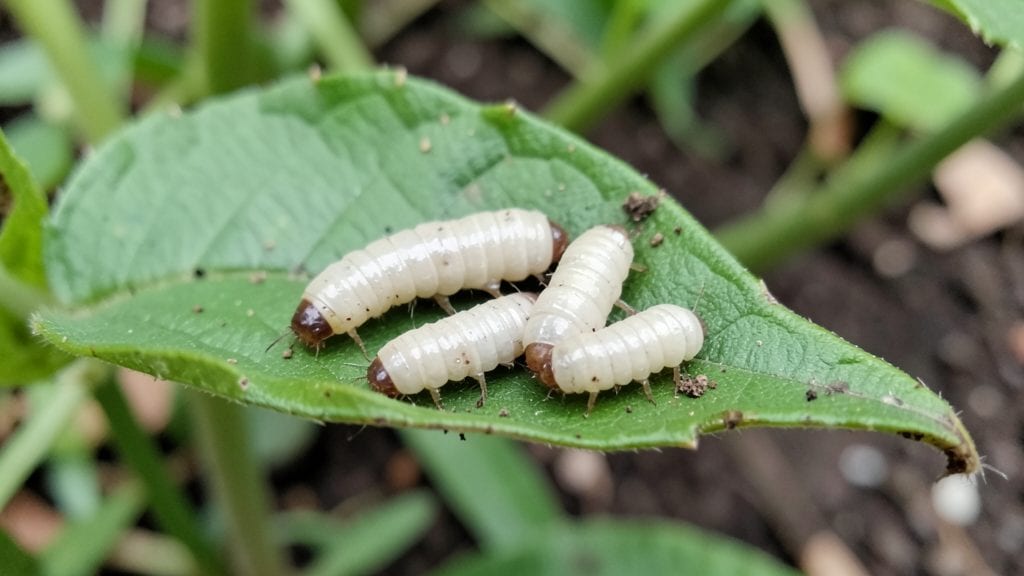
Identifying garden grubs starts with noticing the damage they leave behind—chewed stems, ragged leaves, or tunnels in soil. 🌱 I’ve spent years digging through my own garden beds, pulling out these sneaky pests only to realize I’d been misidentifying them as harmless beetles or worms.
The truth is, some grubs are destructive while others help your soil, and knowing the difference saves your plants.
Look for key traits: cutworms are smooth, pale, and hide during the day; grubs are plump, C-shaped, and often white or tan. Wireworms are slender, brown, and leave jagged holes in seeds. The damage tells the story too—wilting seedlings or hollowed-out roots mean you’ve got hungry pests on your hands.
I’ve learned that timing matters: check soil in early evening when grubs are most active.
Once you spot them, act fast. Beneficial grubs break down organic matter, but destructive ones will decimate your garden. I’ve used simple traps like rolled-up newspapers to catch cutworms and hand-picked grubs from moist soil.
The key is consistency—check weekly during growing season, especially after rain when grubs surface. Prevention is easier than cleanup.
Don’t let these pests throw off your whole season. With this guide, you’ll spot them early, tell friend from foe, and protect your plants before they become a full-blown infestation. The garden stays lush, and your veggies thrive—no more mystery chewers ruining your hard work.
Root Causes Of Grub Infestations
Grubs—those squirming, C-shaped larvae—don’t just appear out of nowhere. Their presence in your garden is almost always the result of a mix of environmental factors, human activity, and the natural life cycles of their parent insects.
Understanding why these pests thrive helps you take proactive steps to prevent them. Below, we break down the most common reasons your garden becomes a grub buffet.
Grubs prefer soil that’s soft, moist, and nutrient-rich—basically, the perfect conditions for their survival and growth. Here’s why your garden’s soil might be sending out an open invitation:
- Overwatering or Poor Drainage: Grubs love moisture, and soggy soil provides the ideal environment for their development. If your garden retains too much water—whether from heavy rainfall, overzealous watering, or compacted soil—they’ll thrive. Actionable fix: Improve drainage with sand or organic matter like compost to keep soil aerated but not waterlogged.
- High Organic Matter: Rich, fertile soil packed with decomposing plant material or mulch is a grub’s dream. The more organic debris, the more food and shelter they find. Actionable fix: Reduce excessive mulch around lawns and gardens, and opt for coarse mulches (like pine straw) that deter grubs.
- Compacted or Disturbed Soil: Grubs burrow easily into loose, disturbed soil—common after construction, tilling, or heavy foot traffic. Compacted soil can also create pockets of moisture they exploit. Actionable fix: Aerate your lawn or garden annually to break up compacted layers and encourage deeper root growth.
The real troublemakers are the adult beetles—often June bugs, Japanese beetles, or chafers—that flutter into your garden to lay eggs. Their choice of location isn’t random; it’s strategic. Here’s why they pick your yard:
- Grassy Lawns and Turf: Beetles target short, well-maintained grass because it’s easier for them to lay eggs near the soil surface. Actionable fix: Let grass grow slightly taller (3–4 inches) to deter egg-laying, or consider clover-based lawns, which beetles avoid.
- Warm, Sunny Spots: Grubs develop fastest in temperatures between 70–90°F (21–32°C). Southern or western exposures with full sun create the perfect incubator. Actionable fix: Monitor beetle activity in these areas and apply preventive treatments in early summer.
- Young or Stressed Plants: Beetles are drawn to gardens where plants are already struggling—whether from drought, poor soil, or disease. Weak plants can’t fight off grubs as effectively. Actionable fix: Strengthen plant health with balanced fertilization and proper watering to make your garden less appealing.
Not all plants are equal when it comes to grub resistance. Some are like an all-you-can-eat buffet for larvae, while others repel them naturally. Here’s why certain plants become grub magnets:
- Tender, Fleshy Roots: Grubs target plants with soft, nutrient-rich roots, like lawn grasses, corn, potatoes, and beans. These provide easy meals for hungry larvae. Actionable fix: Plant grub-resistant alternatives like clover, fescue, or ryegrass in high-risk areas.
- Shallow Root Systems: Plants with shallow roots (e.g., lettuce, strawberries, or young seedlings) are vulnerable because grubs feed just below the surface. Actionable fix: Use row covers or protective barriers for young plants until they establish deeper roots.
- Over-Fertilized Gardens: Excess nitrogen in soil accelerates plant growth—but it also speeds up grub development. Fast-growing plants attract more beetles, which then lay more eggs. Actionable fix: Use slow-release, balanced fertilizers and avoid over-fertilizing in late spring/early summer.
Grubs don’t infest gardens year-round—they follow a predictable life cycle tied to seasonal changes. Missing these windows can mean missed opportunities to stop them early:
- Peak Egg-Laying (June–August): Most beetles lay eggs in late June through August, with larvae hatching in 7–14 days. If you don’t act during this period, you’ll face a full-blown grub population by fall. Actionable fix: Apply nematodes or grub-specific insecticides in early summer to target eggs.
- Cool Fall and Spring Emergence: Grubs go dormant in winter but become active again in spring (March–May), feeding aggressively until they pupate. This is when you’ll see the most damage to roots and plants. Actionable fix: Inspect soil in early spring for signs of grubs and treat before they cause harm.
- Multi-Year Infestations: Some grubs (like Japanese beetle grubs) can survive for 2–3 years in the soil, emerging in cycles. A one-time treatment won’t solve the problem. Actionable fix: Implement a 3-year rotation of preventive measures (e.g., nematodes, milky spore bacteria, or cultural controls).
💡 Pro Tip: The best defense is a combination of monitoring (digging up small soil samples in spring/fall) and prevention (healthy soil, resistant plants, and timely treatments). Grubs won’t stand a chance if you disrupt their life cycle at the right moments!
How to Fix Grub Infestations
Grubs—those squirming larvae—can wreak havoc on your garden if left unchecked. But don’t panic! With the right approach, you can tackle them effectively. Below, we’ve mapped out practical solutions tailored to the most common causes of grub damage, plus prevention tips to keep your plants thriving long-term.
Cause: Japanese beetle, June bug, or white grub larvae munching on roots.
Fix It:
- 🔍 Spot the Problem First Dig a small patch of lawn (about 6 inches deep). If you find C-shaped white grubs, you’ve got an infestation. Healthy lawns can handle a few, but more than 5–6 grubs per square foot means action is needed.
- 💦 Water Deeply (Then Wait) Grubs are shallow feeders. Overwatering can wash away natural predators like birds and toads. Instead, water deeply but infrequently (1–1.5 inches per week) to encourage deep root growth, making grass more resilient.
- 🛡️ Apply Organic or Chemical Treatments - Milky Spore (Organic): A natural bacteria that targets Japanese beetle grubs. Sprinkle on lawns in early summer (when grubs are young) and water lightly. Results take 1–2 years but last decades. - Beneficial Nematodes (Organic): Microscopic worms that infect and kill grubs.
Apply in early morning or evening when soil is moist. Reapply every 4–6 weeks during grub season. - Grub Killers (Chemical): Use imidacloprid or chlorantraniliprole (look for brands like Bayer Grub Killer). Follow label instructions—apply in late summer when grubs are small but active.
- 🌱 Overseed and Aerate After treating, aerate compacted soil and overseed with grub-resistant grasses like tall fescue or Kentucky bluegrass. Thick turf crowds out grubs and makes your lawn less appealing to laying beetles.
💡 Pro Tip: Mow high (3–4 inches) to shade soil and deter beetles from laying eggs.
Cause: Root maggots, cutworms, or chafer grubs damaging veggies, flowers, and shrubs.
Fix It:
- 👨🍳 Handpick and Destroy Check plants for small holes, wilting, or chewed roots. Gently dig around the base—if you see plump, white grubs, drop them into soapy water to kill them instantly.
- 🌿 Use Row Covers or Collars
- Floating Row Covers: Protect seedlings from cutworms and root maggots by covering young plants with lightweight fabric (remove when plants flower to allow pollination).
- Cardboard Collars: For tomatoes, peppers, or cabbages, wrap the base of stems with cardboard tubes (6 inches tall) to block cutworms from climbing up.
- 🔪 Soil Drenches (Natural & Chemical) - Neem Oil (Organic): Spray neem oil on soil (not plants) to repel egg-laying adults. Reapply after rain. - Spinosad (Organic): A bacteria-based spray that kills cutworms and root maggots.
Apply at dusk for best results. - Carbaryl (Chemical): For severe infestations, use Sevin dust (contains carbaryl) and sprinkle around plant bases.
- 🥘 Trap Crops & Interplanting
- Plant trap crops like radishes or mustard greens near high-value plants (grubs prefer these).
- Interplant with marigolds or thyme—their strong scents deter beetles from laying eggs.
💡 Pro Tip: Rotate crops yearly to break grub life cycles—many pests target the same plants season after season.
Grubs thrive in moist, fertile soil, so disrupt their conditions with these habits:
| Prevention Step | How to Do It | Best Time |
|---|---|---|
| 🌡️ Reduce Soil Moisture | Water deeply but less frequently; avoid soggy soil. | Spring–Fall |
| 🎯 Encourage Predators | Leave leaf litter for toads, birds, and ground beetles. | Year-round |
| 🔥 Solarize Soil | Cover bare soil with clear plastic for 4–6 weeks in hot sun to kill eggs. | Late summer (before beetles lay eggs) |
| 🌱 Healthy Soil Mix | Add compost + sand to improve drainage (grubs hate dry conditions). | Fall (before winter) |
| 🚫 Avoid Over-Fertilizing | Too much nitrogen = grub buffet. Use slow-release, balanced fertilizers. | Spring & Fall |
✨ Final Thought: Grubs are a manageable pest—most solutions require patience and consistency. Start with prevention, then target treatments based on the grub type. A few adjustments now can save your garden (and your sanity) next season!
Frequently asked questions
What do garden grubs look like up close?
Most garden grubs are C-shaped larvae about 1/2 to 1 inch long, with soft, plump bodies that can be white, tan, or brown. Look for tiny legs (3 pairs) on the head end and no obvious antennae. Cutworms appear smooth and pale, while wireworms are slender with a brown, hard shell. Always check soil moisture—they’re most active after rain.
How can I tell if grubs are harming my garden?
Watch for chewed stems at soil level, ragged leaves, or plants that wilt suddenly despite good watering. Dig up roots—if you see hollowed-out tunnels or white grubs feeding, you’ve got an infestation. Lawns with grubs often develop brown patches that pull up easily like sod.
Are all grubs bad for gardens?
Not at all! Some grubs, like those from soldier beetles or dung beetles, actually break down organic matter and improve soil. The destructive ones (Japanese beetle grubs, June bugs) target roots. To tell the difference, check their diet: harmful grubs leave visible plant damage, while beneficial ones don’t.
When’s the best time to treat for grubs?
Act in early summer (June–July) when beetles lay eggs, or early spring (March–April) when grubs become active again. Late summer treatments miss the window—grubs grow fastest in warm soil. For organic solutions, apply beneficial nematodes in moist evening soil for best results.