Pests
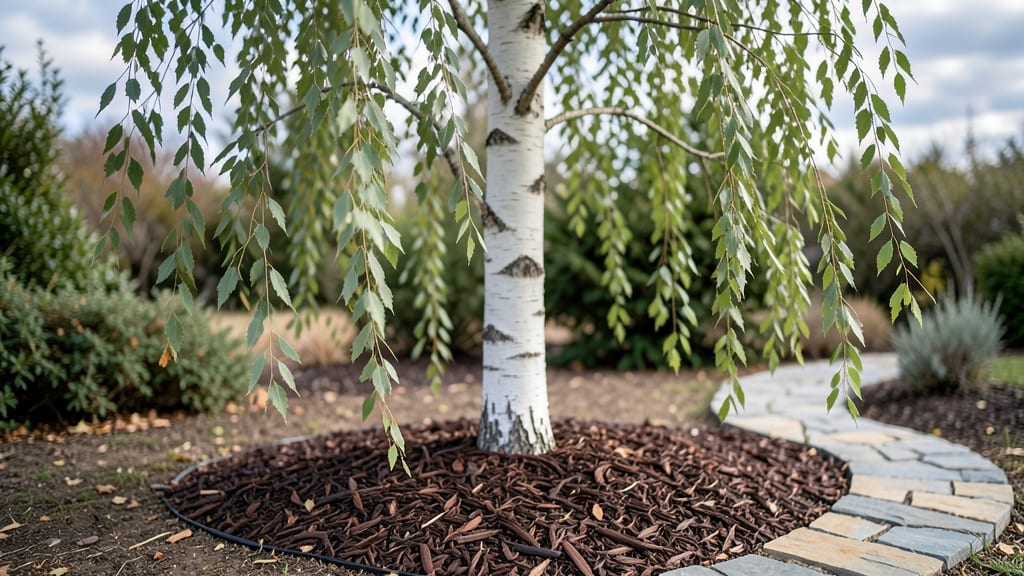
Using bark in garden means incorporating the outer tree layers as mulch, erosion control, or wildlife habitat. Pine, cedar, and oak bark each provide distinct advantages like moisture preservation and natural pest protection.
Bark mulch transforms garden beds by improving soil structure and reducing water evaporation. 🌿 Pine bark, for instance, breaks down slowly, making it ideal for pathways, while cedar bark naturally repels insects due to its aromatic oils.
Oak bark, with its thicker texture, creates a long-lasting barrier against weeds. I've seen gardeners use bark as a decorative accent too—its natural variations add visual interest while serving functional purposes.
Beyond mulching, bark plays a crucial role in erosion control on slopes or near water features. The coarse texture helps stabilize soil while allowing water to penetrate gradually. For wildlife, bark provides shelter for beneficial insects and small creatures, creating a mini-ecosystem right in your yard.
The key is choosing the right type based on your specific needs—whether it's moisture retention, pest control, or simply enhancing your garden's aesthetic appeal.
💡 In This Article
- Types of Tree Bark and Their Garden Functions
- How to Use Bark Mulch in Landscaping Designs
Types of tree bark and their garden functions
Tree bark isn't just the tough outer shell—it's a powerhouse in garden ecosystems. Pine bark, for example, has a coarse, fibrous texture that breaks down slowly (taking 2-3 years to decompose fully), making it perfect for pathways where long-lasting coverage matters.
Its rough surface also traps moisture near roots while allowing excess water to drain, reducing runoff by up to 40% compared to bare soil. The needle-like fragments even deter slugs and snails, thanks to their sharp edges.
Cedar bark stands out with its tight, shingle-like layers that release natural oils containing thujone—a compound toxic to many pests. These oils create a subtle but potent aroma that repels insects like ants and termites while decomposing at a moderate rate (1-2 years).
The bark's reddish-brown hue adds visual warmth to gardens, and its fine texture blends seamlessly into flower beds without smothering plants. Unlike pine, cedar's oils also suppress fungal growth, making it ideal for damp or shaded areas.
Oak bark offers the most dramatic contrast with its thick, ridged plates that can take 3-5 years to break down completely. This slow decomposition creates a stable mulch layer that insulates soil temperatures by 5-10°F during winter, protecting delicate roots.
The deep grooves provide microhabitats for beneficial insects like ground beetles, which prey on garden pests. However, oak's coarse texture works best in 3-4 inch layers—too much can suffocate smaller plants by blocking light and air.
Birch bark presents a unique alternative with its paper-thin, papery layers that decompose rapidly (6-12 months). This makes it excellent for annual gardens where quick nutrient release is needed, but its lightweight nature means it won't last long in high-traffic areas.
The silvery-white bark adds striking visual contrast, especially when used in thin, decorative layers (1-2 inches) around shrubs. Ecologically, birch bark's fast breakdown enriches soil with potassium, benefiting leafy greens and herbs.
Here's what most gardeners overlook: the pH impact of bark types. Pine bark is naturally acidic (pH 4.5-5.5), ideal for blueberries and azaleas, while oak bark remains neutral (pH 6.5-7.5). Cedar's oils can slightly acidify soil over time, so test your garden's pH before choosing.
For wildlife, coarse barks like pine create ideal nesting sites for birds, while finer cedar bark shelters pollinators like bees during winter months.
The key to choosing bark lies in matching its decomposition rate to your needs. Fast-breakers like birch feed soil quickly but require annual replenishment, while slow-decomposers like oak provide long-term structure but need occasional fluffing.
I've found that mixing bark types—say, 60% pine for durability and 40% cedar for pest control—creates the most balanced garden solution. 🌱