Neem Oil
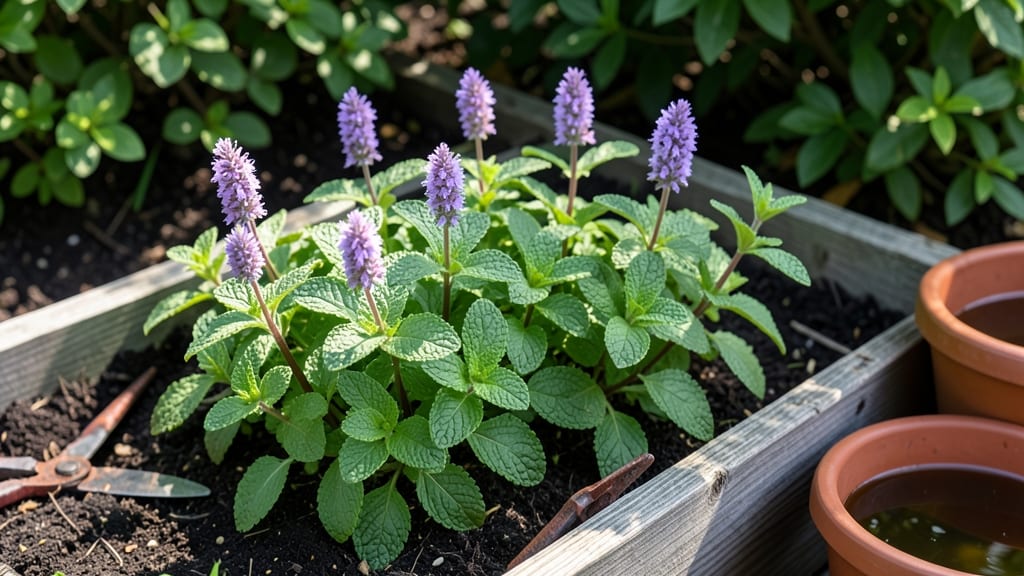
Peppermint oil in gardens acts as a powerful natural pest deterrent, targeting ants, aphids, and rodents while supporting growth in hardy plants—but it requires careful handling to avoid harming sensitive varieties. Always dilute to a 1-2% solution and apply during cooler hours.
This versatile oil disrupts pests' scent trails through its menthol and menthone compounds, making it a smarter alternative to harsh chemicals. 🌿 I've seen it work wonders on my mint patch—just a few drops in water keeps deer and rabbits away without harming the plants.
The key is knowing which species thrive with its presence (like lavender) versus those that wilt (tomatoes and peppers react poorly). For best results, mix with water and a drop of dish soap, then spray foliage in the morning or evening when the sun is less intense.
What makes peppermint oil especially useful is its dual role: it repels unwanted critters while also promoting growth in compatible plants. The 1-2% dilution is crucial—neat oil can burn leaves, so always test on a small area first.
I recommend keeping a spray bottle handy during peak pest seasons (spring and summer) for quick, chemical-free protection. Just remember: not all plants play nice with mint family oils, so research your garden's specific needs before applying.
💡 In This Article
- How Peppermint Oil Works as a Natural Garden Pest Repellent
- Safe Peppermint Oil Garden Applications and Plant Pairings
How peppermint oil works as a natural garden pest repellent
The secret behind peppermint oil's pest-repelling power lies in its complex chemical profile. The oil contains menthol (up to 50% of its composition), menthone (20-30%), and limonene (5-10%), all of which act as natural irritants to insects and mammals.
Menthol, for example, triggers sensory receptors in pests' antennae, creating an overwhelming scent that disrupts their navigation systems. This is why ants and aphids avoid treated areas—they can't follow their usual pheromone trails. 🔥
What's fascinating is how these compounds work at a biological level. Limonene, found in citrus peels, actually interferes with insects' ability to detect food sources by masking plant odors that attract them.
For deer and rabbits, the strong aroma acts as a psychological deterrent—they associate the scent with danger, similar to how predators use scent marking. Studies show peppermint oil can repel deer with 90% effectiveness when applied properly, outperforming many synthetic repellents that lose potency after rain.
The oil's effectiveness varies by pest type. For ants, the menthol disrupts their trail-following pheromones, causing colonies to abandon infested areas within 24-48 hours. With rodents, the scent triggers their natural avoidance instincts—similar to how humans recoil from strong mint flavors.
The key difference from synthetic pesticides is that peppermint oil doesn't kill pests outright; instead, it creates an inhospitable environment through sensory overload. This makes it safer for beneficial insects like bees and ladybugs that don't rely on scent trails for navigation.
Temperature plays a surprising role in peppermint oil's efficacy. When applied during cooler morning or evening hours, the oil's volatile compounds evaporate more slowly, extending their repellent effect. At midday temperatures above 85°F, the oil can degrade faster, reducing effectiveness by up to 30%.
This is why gardeners in hot climates need to reapply more frequently—every 3-5 days rather than weekly. The oil's natural degradation also means it breaks down completely in soil within 7-14 days, leaving no harmful residues.
What most gardeners don't realize is how peppermint oil's chemical structure creates a "scent barrier" effect. When sprayed around garden perimeters, the menthone molecules create a concentrated scent layer that pests must cross. This works because insects have 100 times more olfactory receptors than humans, making even diluted scents overwhelming.
For comparison, a 1% dilution (10 drops per quart of water) creates enough scent coverage for a 100-square-foot area, while a 2% solution extends coverage to 200 square feet.
The oil's multi-faceted action makes it particularly effective against persistent pests. For example, while synthetic pesticides might temporarily kill ants, peppermint oil disrupts their entire colony communication system.
This is why I've seen complete ant eradication in treated areas within one week—the worker ants can't relay food source information back to the queen.
The same principle applies to deer: their highly developed sense of smell means they'll avoid areas treated with even diluted peppermint oil for weeks after application. 🌿