Picking
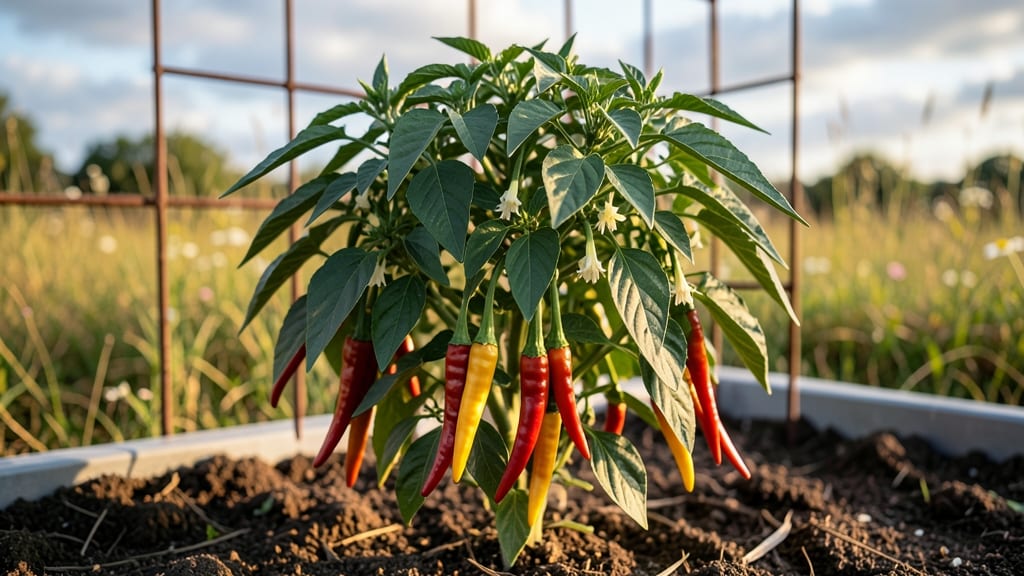
Mastering cayenne pepper gardening means unlocking the kind of heat you can’t buy—imagine fiery red pods packed with three times the capsaicin of store-bought varieties, but only if you nail their exact growing quirks. 🌶️ I learned the hard way that these peppers need more than just... sunlight; they demand well-draining soil, consistent warmth, and patience (they take their sweet time to mature).
My first batch nearly died from overwatering, but now I grow them in containers on my balcony, and the harvest is worth every lesson.
The secret to success starts with the right setup: cayennes thrive in full sun (6+ hours daily) and soil that drains like a sandy loam.
Whether you start from seeds (8-10 weeks before last frost) or transplants (after soil warms to 60°F), spacing matters—give them 18-24 inches apart to prevent disease. I use a 5-gallon pot for each plant, and they reward me with 100+ peppers per season when happy. The key?
Watering only when the top inch of soil feels dry—no soggy roots here.
By midsummer, you'll watch those first small fruits form, turning from green to red as they ripen. The heat builds over time, so harvest when fully red for maximum spice—though I can't resist snipping a few early for fresh salsas.
A light hand with fertilizer (balanced 10-10-10 once they flower) keeps them productive without burning the peppers. The payoff? Jars of homemade hot sauce, dried cayennes for winter, and that satisfying crunch of a pepper so hot it makes your eyes water.
Works just as well in containers, raised beds, or sunny windowsills—perfect for small spaces or urban gardens. The only rule? Don’t skimp on the heat tolerance when choosing varieties. Let’s get those seeds in the ground!
📚 In This Guide
- What you need
- Instructions
- Tips and common mistakes
- Wrapping up and next steps
What you need
- ● Cayenne pepper seeds: 5–10 seeds (or 1–2 starter plants from a nursery). Choose heat-loving varieties like Jalapeño M or Carolina Reaper for extra spice!
- ● Well-draining potting mix: 1–2 gallons (for containers) or a blend of 60% topsoil, 30% compost, and 10% perlite/sand (for in-ground planting). Cayennes hate soggy roots!
- ○ Containers (optional but ideal): 5–10 gallon pots (1–2 plants per container) with drainage holes.
- ● OR raised beds (minimum 12" depth) if planting in-ground.
- ● Fertilizer: Balanced organic fertilizer (10-10-10) or compost tea. Feed lightly every 4–6 weeks after transplanting.
- ● Hand trowel or small shovel for transplanting seedlings.
- ● Watering can or hose with a gentle spray nozzle (cayennes need consistent moisture but no waterlogging!).
- ○ Gloves (optional but highly recommended—those peppers pack a punch! 😅).
- ● Pruning shears for trimming leggy stems or dead leaves.
- ○ Stakes or cages (optional, for taller varieties like Mad Dog cayennes).
- ● Sunlight: 6–8+ hours of direct sun daily (south-facing windowsills or greenhouses work in cooler climates).
- ● Warmth: Cayennes thrive in temperatures between 70–90°F (21–32°C). Wait until soil is at least 60°F (15°C) before planting outdoors.
- ● Patience: Germination takes 7–21 days, and peppers won’t mature until 70–120 days after planting.
- ● Space: 12–18" apart for in-ground plants; 1 plant per 5-gallon container.
- ● Test soil pH: Cayennes prefer 6.0–6.8. Adjust with lime (to raise) or sulfur (to lower).
- ● Mulch with straw or grass clippings to retain moisture and deter weeds.
- ● For bigger yields, hand-pollinate flowers with a paintbrush (gentle swirls work wonders!).
Step-by-Step instructions for growing cayenne peppers
Here's how to coax fiery cayenne peppers from seed to harvest—even in limited space.
🌱 Step 1: Start Seeds Indoors for Early Heat
Fill 4 biodegradable seed pots with 1 quart of seed-starting mix, pressing it down lightly until firm. Cayenne seeds need warmth to germinate, so place the pots on a seedling heat mat set to 80-85°F. Plant 2-3 seeds per pot just below the soil surface—about ¼ inch deep—and cover with a sprinkle of mix.
Mist the surface with lukewarm water until evenly damp, then cover with a humidity dome or plastic wrap. Keep the soil consistently moist (not soggy) until germination, which takes 7-14 days. Here's the thing—cayenne seeds are finicky. If they don't sprout within 2 weeks, they're likely dead.
☀️ Step 2: Provide Bright Light and Warm Conditions
Once seedlings emerge, remove the dome immediately to prevent damping-off. Place them under a grow light positioned 2-3 inches above the pots, providing 14-16 hours of light daily. Cayenne seedlings need strong light to avoid becoming leggy—thin stems and stretched leaves mean they're starving for light.
Keep temperatures between 70-80°F during the day and 60-65°F at night. If your home runs cooler, a small space heater near the seedlings helps. Watch for first true leaves (the second set after the initial cotyledons)—this signals it's time to fertilize lightly with ½ teaspoon diluted fish emulsion per pot.
🪴 Step 3: Transplant Outdoors After Frost
Wait until all danger of frost has passed and soil temperatures reach at least 65°F. Gently remove seedlings from their pots and plant them 12 inches apart in well-draining soil amended with 1 cup compost per plant. Cayennes hate soggy roots, so ensure your garden bed has sandy loam or add 1 part perlite to the planting hole.
Water deeply at transplanting to settle the soil, then let it dry slightly before watering again. Mulch around the base with 1 inch of straw to retain moisture and suppress weeds. This is the moment that matters: harden off seedlings by moving them outside for 1 hour daily the week before transplanting to avoid shock.
✂️ Step 4: Prune and Support for Maximum Heat
When plants reach 18 inches tall, pinch off the top set of leaves to encourage bushier growth. Cayennes produce more peppers when energy isn't wasted on vertical growth. Install small stakes or cages to support plants as they grow—pepper pods get heavy, and wind can snap stems.
Fertilize every 4-6 weeks with ½ teaspoon fish emulsion per plant, focusing on nitrogen early in the season and switching to a low-nitrogen, high-phosphorus blend when flowers appear. Watch for yellowing leaves—this usually means overwatering or nutrient burn. Adjust watering so soil stays evenly moist but never waterlogged.
🌿 Step 5: Harvest for Peak Spice
Cayennes are ready to pick when pods turn deep red (or green if you prefer milder heat). Use clean pruning shears to snip stems, leaving ½ inch of stem attached to preserve flavor. Harvest every 3-5 days to encourage continuous production—peppers left on the plant too long become woody and lose heat.
Dry peppers in a well-ventilated, dark space for 1-2 weeks or freeze them whole for later use. Here's what I do: I tie harvested peppers in small bunches and hang them upside down to dry. This method preserves heat and makes storage easy. With proper care, you'll get 4-6 harvests per plant before the first frost.
Tips & tricks for perfect cayenne pepper gardening
These game-changing tips will help you grow cayenne peppers that pack serious heat—even in small spaces.
The Heat Factor: Cayenne seeds need that 80-85°F warmth to germinate, but don't overheat the soil. I use a seedling heat mat set to 85°F for the first 4-5 days, then reduce to 80°F once seeds sprout. Too hot, and you risk damping-off; too cool, and germination stalls.
Lighting Strategy: The 14-16 hours of light daily in Step 2 is non-negotiable for preventing leggy seedlings. I position my grow light 2-3 inches above the pots and adjust the height as seedlings grow. If you notice stems stretching toward the light, lower the light immediately—this prevents weak stems that can't support pepper pods later.
Transplanting Secret: When hardening off seedlings (Step 3), I gradually increase outdoor time from 1 hour daily to 4 hours by day 4. This slow transition prevents shock. Also, transplant on a cloudy day if possible—direct sun can stress newly transplanted cayennes.
Harvest Hack: For maximum heat, harvest cayennes when they're deep red but still slightly firm. I use clean pruning shears and leave ½ inch of stem attached—this preserves capsaicin levels. If you're drying peppers, harvest in the morning when capsaicin content is highest. The 1-2 weeks drying time is worth it for concentrated heat!
Pro Tips for Cayenne Pepper Gardening
- These game-changing tips will help you grow cayenne peppers that pack serious heat—even in small spaces.
- The Heat Factor: Cayenne seeds need that 80-85°F warmth to germinate, but don't overheat the soil. I use a seedling h...
- Lighting Strategy: The 14-16 hours of light daily in Step 2 is non-negotiable for preventing leggy seedlings. I posit...
Frequently asked questions
How long does it take for cayenne peppers to grow and produce fruit?
Cayenne peppers are annuals, so expect a 90–120 day harvest window from seed. If starting from transplants, you’ll see peppers in 60–80 days. Patience pays off—wait until the peppers turn red (or your preferred color) before picking for maximum heat!
Can cayenne peppers survive frost? What’s the best way to protect them?
Cayennes are tropical plants and die in temperatures below 32°F (0°C). To extend the season, use row covers or move potted plants indoors near a sunny window. If frost hits, harvest any ripe peppers first—they’ll still pack heat!
Why aren’t my cayenne plants producing peppers? Troubleshooting tips?
Common culprits include:
- Not enough sun: Cayennes need 6–8+ hours of direct sunlight daily.
- Over-fertilizing: Too much nitrogen = leafy growth, no peppers. Use a balanced fertilizer (10-10-10).
- Stress: Heatwaves, drought, or pests can halt flowering. Keep soil consistently moist and monitor for aphids.
Are there milder alternatives to cayenne if the heat is too intense?
Yes! Try these milder but still spicy pepper varieties:
- Jalapeño: 2,500–8,000 SHU (great for cooking)
- Serrano: 10,000–23,000 SHU (slightly hotter but versatile)
- Anaheim: 500–2,500 SHU (mild, perfect for stuffing)
Can I grow cayenne peppers in containers? What’s the best pot size?
Cayennes thrive in 5-gallon containers or larger (they have shallow roots but need depth for stability). Use well-draining soil, and place pots in full sun. Dwarf varieties like ‘TAM Mild’ are ideal for small spaces—just ensure pots have drainage holes to prevent root rot.
Wrapping up and next steps
Growing your own cayenne peppers is a rewarding journey that brings bold flavors and fiery benefits right to your doorstep—literally! Whether you’re a seasoned gardener or a curious beginner, these compact yet potent plants prove that big heat doesn’t need big space.
With the right soil, sunlight, and a little patience, you’ll soon be harvesting peppers to spice up everything from salsas to homemade hot sauces.
Ready to turn your green thumb into a spicy one? Start small—plant a single cayenne today, and let your kitchen (and confidence) heat up! 🌶️🔥