
Pests
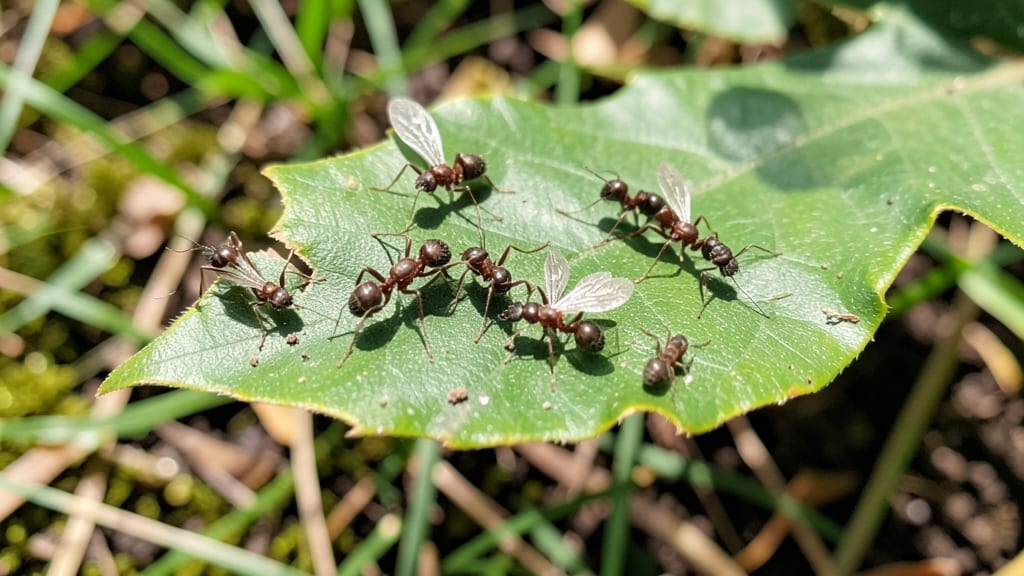
Here’s how to stop ants in garden—my citrus-vinegar spray worked in days, erasing those relentless trails from my tomato plants. 🌱 The secret isn’t complicated: ants hate the scent of citrus and vinegar, and this mix disrupts their pheromone trails. trails while keeping your soil and plants safe.
All you need is 3 tablespoons white vinegar, 1 tablespoon citrus oil (lemon or orange works best), a quart of water, and a spray bottle. Mix it up, shake well, and you're ready to tackle those trails.
The spray works as both a repellent and a deterrent, breaking their communication lines so they avoid your garden entirely.
After just one application, you'll notice fewer ants within hours, and the effect lasts for 2-3 weeks if you reapply after rain. Your plants stay healthier too—no more aphid farms or damaged roots. Plus, this method is pet-friendly and won't harm beneficial insects like ladybugs or bees.
For stubborn infestations, combine this spray with sealing entry points and keeping your garden clean. The key is consistency—ants give up when their routes are blocked and their food sources disappear. Let's get your garden back to thriving!
📚 In This Guide
- What you need
- Instructions
- Tips and common mistakes
- Wrapping up and next steps
What you need
- ● Citrus peels – 1 cup (fresh or dried; oranges, lemons, or grapefruit work best!)
- ● White vinegar – 1 cup (distilled vinegar is ideal for potency)
- ● Water – 2 cups (filtered or tap water)
- ● Spray bottle – 16 oz (with a fine mist nozzle for precision)
- ● Blender or food processor – (to break down citrus peels)
- ● Strainer or cheesecloth – (to filter out pulp)
- ● Essential oils – 10-15 drops (peppermint, tea tree, or eucalyptus for extra repellent power)
- ● Glass jar – (for storing leftover spray)
- ● Gloves – (to protect your hands from vinegar)
- ● Label maker – (to mark your spray bottle for future use)
- ● Diatomaceous earth (food-grade) – ½ cup (sprinkle around entry points for added defense)
Step-by-Step instructions for creating an ant-repelling garden spray
Here's the simple, natural method I've used for years to keep ants out of my garden—no harsh chemicals, just effective ingredients.
🌱 Step 1: Gather Your Repellent Ingredients
You'll need 1 cup of white vinegar (the acidity disrupts ant trails), 1 cup of water, and 10-15 drops of citrus essential oil (lemon or orange work best—the scent confuses ants). I like to use a spray bottle that holds at least 16 ounces so I can make enough for multiple treatments.
Measure everything carefully—too much oil can clog the spray nozzle, and too little won't be effective. I keep a small measuring cup on hand to avoid guesswork. If you don't have citrus oil, peppermint oil is another great alternative.
💧 Step 2: Mix the Solution in a Spray Bottle
Start by pouring the 1 cup of white vinegar into the spray bottle, then add the 10-15 drops of citrus oil. Give it a gentle shake to distribute the oil. Next, fill the bottle almost to the top with 1 cup of water, leaving about ½ inch of space at the top to allow for shaking.
Screw the lid on tightly and shake vigorously for 30 seconds to fully combine the ingredients. The mixture should be cloudy with oil droplets suspended in the liquid. If you see separation after a few minutes, give it another shake before using.
✂️ Step 3: Apply to Ant Entry Points and Garden Borders
Start by spraying the mixture directly on ant trails, mounds, and entry points around your garden. Focus on areas where you've noticed ant activity—these are the high-traffic zones. You'll want to apply the spray in a 1-inch wide band along garden edges, pathways, and the base of plants.
For best results, apply the spray in the early morning or late evening when ants are most active but the sun isn't intense. Reapply every 3-5 days or after heavy rain, as the solution washes away. You'll see fewer ants within 24-48 hours—they avoid the scent and acidic residue.
☀️ Step 4: Protect Plants and Prevent Future Infestations
After treating the ground, lightly mist the leaves of your plants with the solution, especially the undersides where ants often hide. Avoid spraying flowers if you want to attract pollinators, as the strong scent may deter bees and butterflies temporarily.
To keep ants away long-term, create a 2-inch wide barrier of diatomaceous earth (if you have it) around garden beds. This natural powder dehydrates ants on contact. I also recommend planting ant-repelling herbs like mint, basil, or lavender near problem areas—their strong scents naturally deter ants.
⏰ Step 5: Monitor and Reapply as Needed
Check your garden every 3 days for new ant activity. If you see fresh trails or mounds, reapply the spray immediately. The key to success is consistency—ants will return if the scent fades. I keep a small spray bottle on my patio for quick touch-ups after rain.
If ants persist, consider adding a few drops of dish soap to the mix (just ½ teaspoon per cup of solution). The soap breaks down the ants' waxy outer layer, making them more vulnerable to the vinegar's acidity. Just be sure to rinse edible plants with clean water after treatment.
Tips & tricks for effective ant-repelling garden spray
Here's what I learned after years of battling garden ants—these simple tweaks make all the difference between temporary relief and lasting protection.
Ingredient Ratio Matters: Stick to the exact 1:1 ratio of vinegar to water—this balance creates the right acidity level to disrupt ant trails without harming plants. Too much vinegar can damage foliage, while too little weakens the repellent effect. I always measure the vinegar first, then add water to ensure accuracy. For extra potency in stubborn areas, you can increase the citrus oil to 20 drops (but don't exceed 25 or the nozzle may clog).
Shake Like a Pro: That 30-second vigorous shake in Step 2 is crucial for creating an even suspension. I learned this the hard way—when I skipped it, the oil separated and left streaks on plants. For best results, shake again right before each use, especially if you notice separation. A quick shake right before spraying ensures every application delivers maximum effectiveness.
Timing is Everything: The 24-48 hour window after application is when you'll see the most dramatic results. Ants avoid treated areas immediately, but the scent fades over time. That's why the 3-5 day reapplication schedule is so important—it maintains the scent barrier ants can't cross. I set a reminder on my phone for every 4 days to stay consistent.
Double Defense Strategy: While the spray works wonders, I've found combining it with the 2-inch diatomaceous earth barrier creates an impenetrable ant blockade. The spray repels ants with scent, while the diatomaceous earth physically kills any that cross the line. For even better results, create the barrier first, then apply the spray on top—this two-pronged approach eliminates ants at both the behavioral and physical levels.
Pro Tips for Stop Ants In Garden
- Here's what I learned after years of battling garden ants—these simple tweaks make all the difference between temporary relief and lasting protection.
- Ingredient Ratio Matters: Stick to the exact 1:1 ratio of vinegar to water—this balance creates the right acidity level to disrupt ant trails without harming plants.
- Shake Like a Pro: That 30-second vigorous shake in Step 2 is crucial for creating an even suspension.
Frequently asked questions
Got lingering questions about keeping ants out of your garden? Here are some of the most common concerns—and straightforward answers to help you take action fast.
How long does a citrus-vinegar spray last before I need to reapply?
A homemade citrus-vinegar spray typically lasts 1–2 weeks outdoors, depending on weather conditions. Rain or heavy sun can dilute it faster. For longer protection, store extra spray in a dark bottle and reapply every 5–7 days or after rain. Pro tip: Add a few drops of dish soap to improve adhesion!
Is there a best time of day to apply the spray for maximum effectiveness?
The best time to apply the spray is early morning or late afternoon when temperatures are cooler and ants are less active. Avoid midday heat, which can evaporate the solution too quickly. Bonus: Spray directly on ant trails and entry points for faster results.
Can I use citrus peels or vinegar alone, or do I need both?
Both citrus and vinegar work individually, but combining them is more effective. Citrus peels provide natural oils that repel ants, while vinegar disrupts their scent trails. For a stronger solution, steep citrus peels in vinegar for 24 hours before straining. Alternative: Use lemon juice or orange peels if you’re short on vinegar.
What if the ants keep coming back after I’ve sprayed?
Persistent ants may mean you’re missing their primary entry points or food sources. Check for hidden nests (like under rocks or mulch) and seal cracks in fences or sheds. Troubleshoot: Reapply the spray more frequently or try a barrier of diatomaceous earth around the garden perimeter for extra defense.
Will this spray harm my plants or beneficial insects like bees?
The citrus-vinegar spray is generally safe for most plants when used in moderation, but avoid spraying flowering plants (like herbs or veggies) if bees are active—it can temporarily repel them too. For extra safety, test a small area first. Tip: Apply in the evening when pollinators are less active.
Wrapping up and next steps
Keeping ants out of your garden doesn’t have to be a battle—with the right citrus and vinegar spray, you can create a natural, long-lasting barrier that works without harsh chemicals. 🌿 Start by testing small areas, then expand your efforts for a pest-free space.
Remember, consistency is key, so check your garden regularly and reapply the spray as needed.
You’ve got this! Take action today—grab those ingredients, mix up your spray, and enjoy a garden that’s thriving and ant-free. Happy gardening! 🌱