
Pests
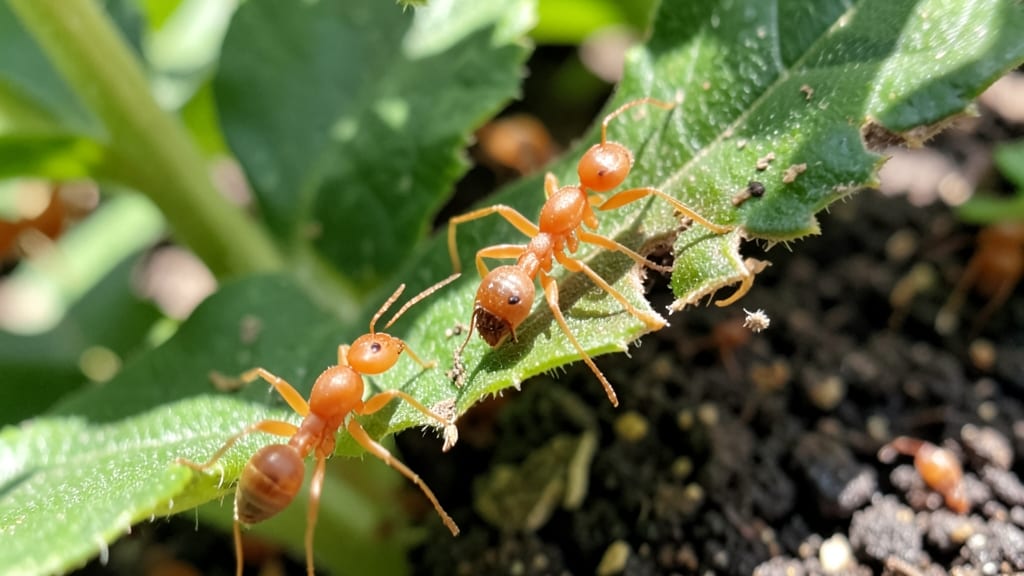
Orange ants in your garden aren’t just a nuisance—they’re tiny citrus thieves that can damage roots and spread pests. 🌿 I’ve battled them for years, and the secret weapon?
Homemade traps using what you already have in your kitchen. These ants love citrus, so we use it to lure them into a one-way exit.
The beauty of this method is that it’s foolproof and chemical-free. You’ll need a shallow container, water, citrus peels or juice, and a little dish soap to break the surface tension.
Set up your traps near ant trails or where you’ve spotted them munching on your plants. Within 24 hours, you’ll see a noticeable drop in their numbers.
What you’ll gain is a garden where plants thrive without hidden damage. No more wilting citrus trees or gnawed roots—just healthy growth and the satisfaction of outsmarting pests naturally. The best part? This works for all citrus-loving ants, not just the orange variety.
Works in any climate, from sunbaked Southern gardens to cooler Northern yards. Once you try it, you’ll wonder why you didn’t start sooner. Let’s get those traps set up!
📚 In This Guide
- What you need
- Instructions
- Tips and common mistakes
- Wrapping up and next steps
What you need
- ● Citrus peels: 4–6 fresh peels from oranges, lemons, or grapefruits (the more, the merrier!)
- ● Sugar: ½ cup granulated white sugar (ants can’t resist this sweet treat!)
- ● Water: 1 cup (for mixing the lure)
- ● Small containers: 2–4 shallow dishes, plastic cups, or small jars (with lids for trapping)
- ● Plastic wrap or parchment paper: To cover containers during setup
- ● Sticks or chopsticks: For stirring the mixture
- ○ Spray bottle (optional): To dampen citrus peels for extra scent
- ● Gloves: A pair to keep your hands clean while handling peels and sugar
- ● Tweezers or tongs: For safely placing traps near ant trails
- ● Marker or tape: To label containers if testing different lures
- ● Soapy water (for cleanup): 1 tbsp dish soap + 1 gallon water (to dispose of trapped ants humanely)
- ● Outdoor-friendly trash bag: For disposing of full traps
- ● 🌞 Place traps near ant trails or citrus trees—orange ants love the scent!
- ● 🍊 Use unwashed citrus peels for maximum oil potency (ants go wild for it!)
- ● ⏳ Check traps every 24–48 hours and refresh the lure if ants stop biting
Step-by-step instructions for creating citrus traps to eliminate orange ants
Here’s the natural method I’ve used to clear out stubborn orange ants without harming plants or pets.
🌱 Step 1: Gather Your Citrus and Trapping Materials
Start by selecting 3-4 ripe citrus fruits—oranges or grapefruits work best. Their strong scent lures ants effectively. Cut each fruit in half crosswise, exposing the juicy interior. Place the halves cut-side up in shallow containers like plastic lids or small bowls—just enough to hold the juice as it drains.
I like to use 4 containers total (one for each citrus half) so I can place them strategically around the garden. If you’re dealing with a large infestation, double the citrus and containers. The key here is to position traps near ant trails—look for tiny lines of ants marching along sidewalks or garden edges.
💧 Step 2: Set Up the Traps in High-Traffic Ant Zones
Place the citrus halves in areas where you’ve spotted the most ant activity. Ants follow scent trails, so positioning traps near their entry points maximizes effectiveness. I usually set them along garden borders, near plant bases, or under outdoor furniture where I’ve seen them scurrying.
Leave the traps undisturbed for 24-48 hours. You’ll notice ants crawling onto the citrus, drawn by the sweet aroma. They’ll drink the juice and get trapped—citrus peels are too slippery for them to climb out. Check the containers daily and replace any that dry out or get overrun.
✂️ Step 3: Refresh and Reinforce the Traps
After 48 hours, remove the citrus halves and replace them with fresh ones. Ants will keep returning to the scent, and the new juice will lure more of them in. I’ve found that replacing traps every 2 days keeps the cycle going until the colony is significantly reduced.
For stubborn infestations, add a splash of hot water to the containers to create a shallow moat around the citrus. This extra barrier prevents ants from escaping once they’re inside. You’ll know it’s working when you see fewer ants in the garden after just a few days.
☀️ Step 4: Monitor and Prevent Future Infestations
Once the ant activity slows, remove all traps and clean the area with a vinegar-water spray (1:1 ratio) to eliminate any lingering scent trails. Ants rely on pheromones, so wiping down surfaces disrupts their communication and deters new recruits.
To keep ants away long-term, scatter dried citrus peels or used coffee grounds around garden edges. Both repel ants naturally. I also recommend keeping your garden free of standing water and sealing cracks in outdoor structures—these are common entry points for ants.
Tips & tricks for perfect citrus ant traps
A few simple tweaks can make your citrus ant traps even more effective—and save you time and frustration.
The Scent Factor: For maximum lure power, use citrus fruits that are slightly overripe but not moldy. The stronger the scent, the more ants it will attract. I've found that grapefruit works even better than oranges because its scent carries farther. Place traps near ant trails—you'll know you're in the right spot when you see ants marching in straight lines along sidewalks or garden edges.
Container Selection: Use shallow containers with smooth, slippery sides—plastic lids or small bowls work perfectly. The trick is to make it impossible for ants to climb back out once they're inside. If you're dealing with a large infestation, consider using wider containers so more ants can get trapped at once. I've even used the bottoms of plastic yogurt cups with great success.
Timing Secret: The 24-48 hour window is critical—this gives ants enough time to find the traps but not so long that the juice dries out completely. Check your traps every 12 hours and replace any that look dry or overrun. For stubborn colonies, I've found that replacing traps every 2 days keeps the cycle going more effectively than waiting the full 48 hours between changes.
Extra Barrier: That splash of hot water creates a moat that prevents ants from escaping once they're trapped. I like to use just enough to create a shallow barrier—about 1/4 inch deep—around the citrus halves. This simple addition can double your effectiveness, especially for larger ant colonies that might otherwise overwhelm your traps.
Pro Tips for Orange Ants In Garden
- A few simple tweaks can make your citrus ant traps even more effective—and save you time and frustration.
- The Scent Factor: For maximum lure power, use citrus fruits that are slightly overripe but not moldy.
- Container Selection: Use shallow containers with smooth, slippery sides—plastic lids or small bowls work perfectly.
Frequently asked questions
Got questions about those bright orange ants wrecking your garden? You're not alone!
Here are some of the most common concerns—and smart solutions—to keep your citrus grove (or veggie patch) ant-free without harsh chemicals.
What do orange ants in my garden actually eat?
Orange ants (often Citronella ants) love sweet liquids like sap, honeydew from aphids, and fermenting fruit. They’ll also raid your garden for seeds, nectar, and even pet food left outside. Pro tip: Seal trash cans and avoid overwatering plants—excess moisture attracts their food sources!
How long does it take for citrus traps to work?
With homemade citrus traps (like your DIY orange peel + borax solution), you’ll start seeing results in 3–7 days for mild infestations. Heavy colonies may take 2–3 weeks to fully decline. Key: Refresh traps every 5–7 days and place them near ant trails or mounds for best results.
Are there non-toxic alternatives if citrus traps don’t work?
Try these chemical-free methods:
- Diatomaceous earth (DE): Sprinkle food-grade DE around entry points—it dehydrates ants naturally. (Reapply after rain!)
- Vinegar spray: Mix 1:1 vinegar + water and spray directly on trails (avoid plants). The smell disrupts their scent trails.
- Cinnamon or cayenne: Dust these spices near nests—they’re safe for pets but lethal to ants.
For stubborn colonies, combine traps with physical barriers like copper tape (ants hate the metal!).
Why are the orange ants back after I treated them?
Ants are relentless—here’s why they return and how to stop them:
- Queen still lives: If you didn’t hit the nest (often underground or in potted plants), the colony will regrow. Use traps inside the nest if possible.
- New scouts: Ants send out explorers constantly. Block entry points with petroleum jelly on cracks or use crushed eggshells as a barrier.
- Attracted to food: Even tiny spills or fallen fruit lure them back. Clean up thoroughly and store produce indoors.
Troubleshoot: If they’re back within a week, they’re likely finding a new food source. Set up multiple traps in high-risk zones.
Can I use fresh orange peels instead of dried for traps?
Yes! Fresh peels work even better because the oils are more potent. Here’s how:
- Cut peels into thin strips and soak in warm water for 1 hour to release oils.
- Mix with borax or soap (1 tbsp per cup of water) for a sticky, lethal bait.
- Place near trails or inside the nest (if accessible).
Caution: Keep traps away from pets/kids—borax is toxic if ingested.
Wrapping up and next steps
Dealing with orange ants in your garden doesn’t have to be a battle—it’s all about strategy! By using citrus-infused traps, you’re not just eliminating pests but also working with nature’s own lures. These ants are drawn to sweet, tangy scents, making your homemade solution both effective and eco-friendly.
Now that you’re armed with the know-how, take action today! Start by setting up a few traps in hotspots, monitor their progress, and adjust as needed. With patience and persistence, you’ll reclaim your garden—one citrusy trap at a time! 🌿✨