
Pests
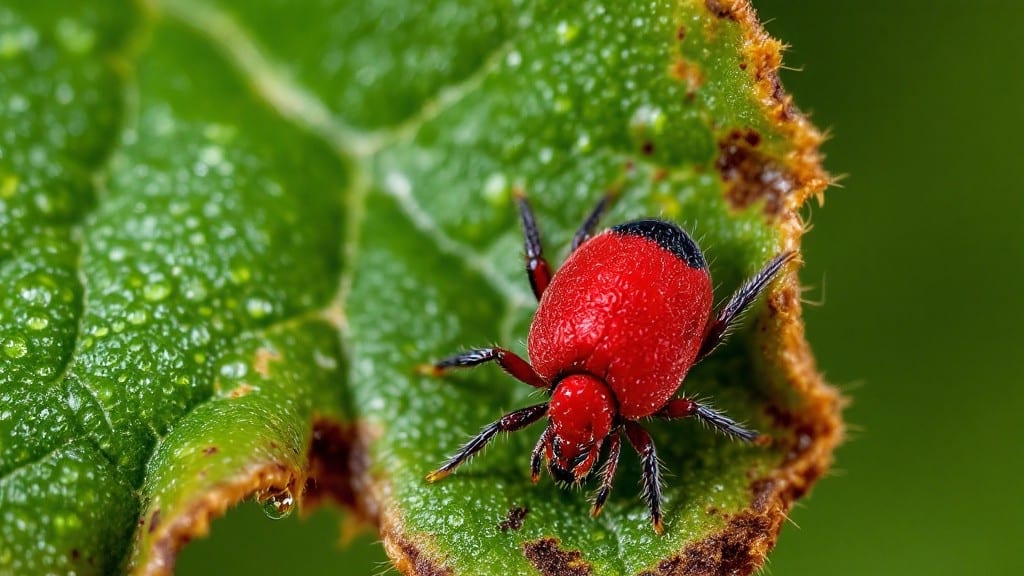
Here’s a natural way to get rid of ants in your garden—just mix citrus peels and vinegar for a barrier that works in hours, no traps or chemicals needed. 🌿 I’d spent weeks battling trails until this simple, non-toxic trick finally stopped them. them in their tracks without harming bees or earthworms.
The secret lies in two ingredients most people already have: vinegar's acidic punch disrupts their scent trails, while citrus oils confuse their foraging patterns. You'll need a spray bottle, some orange peels, and white vinegar—no fancy equipment, just a 15-minute setup that keeps working for days.
The best part? It's safe for pets, kids, and your favorite pollinators.
Within 24 hours, you'll see ant trails disappear completely, and your plants stay protected without toxic residue. The solution also prevents future invasions by making your soil and mulch less inviting to scouts.
No more digging through ant hills or watching aphids get "farmed" by colonies—just a clean, ant-free garden.
Works for vegetable beds, flower borders, and even patio containers—just adjust the spray zone based on where you spot activity. For stubborn cases, combine this with diatomaceous earth around entry points. Here's how to make it last all season long.
The Hidden Triggers Inviting Ants
Ants aren’t just random garden visitors—they’re drawn by specific cues that turn your yard into an all-you-can-eat buffet. Understanding these triggers is the first step to outsmarting them naturally. Below, we break down the science behind why ants swarm your garden like tiny, six-legged food critics.
Ants have a sweet tooth—literally. Their antennae detect sugars and proteins, making anything sugary or fermented a red flag. Here’s why they’re obsessed: - Fruit or vegetable debris: Overripe tomatoes, fallen berries, or even honeydew from aphids create sticky traps.
Ants farm these like a fast-food drive-thru. - Nectar from plants: Flowers like roses or hibiscus produce nectar that ants harvest to feed their colonies.
Once they find a source, they’ll mark trails with pheromones to recruit reinforcements. - Human snacks: Picnic leftovers, soda spills, or even pet food left outdoors act like neon signs for ants. They’ll drag crumbs back to their nest like grocery shoppers.
Pro Tip: 💡 Rinse fruit spills immediately and store produce in sealed bins. If you spot aphids, hose them off—they’re ants’ free snack bar!
While sugar gets ants moving, protein keeps them coming back. Their colonies need it to raise larvae, and they’ll exploit these common garden protein sources: - Decaying matter: Dead insects, rotting wood, or compost piles are like a five-star protein buffet.
Ants will tunnel through mulch or leaf litter to access it. - Pet waste: Dog or cat feces are a high-protein, high-moisture feast.
Ants will camp out near litter boxes or under pet bowls. - Insect infestations: Termites, grubs, or even other ants (yes, they eat each other!) create a protein chain reaction. If you see one pest, ants are likely nearby scouting.
Science Note: Ants use trophallaxis—a mouth-to-mouth food-sharing system—to distribute protein across the colony. One stolen bite can fuel an entire nest!
Ants need water, but they’re also engineers who create moisture highways in your garden: - Leaky hoses or sprinklers: Dripping irrigation systems leave wet trails that ants follow like a map.
They’ll nest in damp soil near these spots. - Poor drainage: Low-lying areas or clay soil trap moisture, creating ideal nesting conditions.
Ants avoid dryness like we avoid a root canal. - Condensation: Plastic mulch or greenhouses can trap humidity, signaling ants that the environment is perfect for raising brood (their young).
Warning Sign: 🚨 If you see ants marching in straight lines toward a specific spot, dig 1–2 inches down—you’ll likely find their moisture-rich nest.
Ants are real estate agents, and your garden has prime properties they can’t resist: - Loose soil or mulch: Ants tunnel through soft, aerated soil (like after rain) to build nests. Mulch piles?
Instant five-star hotel. - Cracks in pavement or wood: Carpenter ants, in particular, chew through damp wood or concrete to nest. Check decks, fences, or stone paths. - Rocks or debris: Ants use rocks as natural bridges to move across dry areas.
A single rock can hide a thriving colony underneath.
Fun Fact: 🐜 Fire ants build mounds with silica-rich soil to regulate temperature—like a tiny, underground AC unit for their colony!
Some plants actively attract ants by offering shelter or food, while others unintentionally become ant highways: - Aphids and scale insects: These sap-sucking pests produce honeydew, which ants farm like dairy cows.
In return, ants protect them from predators—it’s a mutualistic relationship. - Weeds with hollow stems: Plants like clover or certain grasses have hollow stems ants use as nursery tunnels. - Tree roots: Ants nest near tree roots because they provide stable moisture and shade, plus easy access to sap.
Action Step: 🌱 Prune plants with aphids and remove weeds with hollow stems. Ants will lose their free roommates and food source.
Ants are weather-dependent—their activity spikes under these conditions: - Warm, humid days: Ants are most active when temperatures are 70–90°F (21–32°C). They avoid extreme heat or cold. - After rain: Soil softens, making it easier to dig nests.
Plus, rain washes away pheromone trails, forcing ants to re-scout for food. - Late summer/early fall: Ants prepare for winter by stockpiling food, leading to aggressive foraging.
Seasonal Alert: ⏰ If you see ants in early spring, they’re likely survivors from last year’s nest. Strike now before they expand!
Natural Fixes for Ant Problems
Ants in your garden aren’t just a nuisance—they can disrupt your plants, damage crops, and even invite unwanted pests. The good news? You don’t need harsh chemicals to solve the problem.
Below, we’ll match common ant causes to effective, natural solutions—plus tips to keep them from returning. Let’s tackle this step by step!
If you’ve spotted ants marching in a straight line, they’re likely following pheromone trails to food or water sources. Break their route with these barriers:
🍋 Citrus Peel Barrier (Best for Outdoor Trails) Ants hate citrus!
Use peels from oranges, lemons, or grapefruits to create a natural repellent. - How to do it: 🍳 Peel a citrus fruit and place the peels along ant trails, garden edges, or near entry points. - Why it works: The oils in citrus disrupt their scent trails and deter them from crossing. - Pro tip: 💡 Refresh the peels every few days or crush them slightly to release more oil.
🥄 Vinegar Spray (Instant Trail Disruptor)
White vinegar is a powerhouse for breaking ant trails and cleaning surfaces. - How to do it: 👨🍳 Mix 1 part vinegar with 1 part water in a spray bottle.
Lightly mist ant trails, garden soil, and entry points. - Why it works: The strong smell masks their pheromones, confusing them and sending them away. - Pro tip: 🌡️ Reapply after rain, as vinegar loses effectiveness when diluted.
🌿 Diatomaceous Earth (Long-Term Trail Killer)
This fine powder is non-toxic to humans and pets but deadly to ants. - How to do it: 🔪 Sprinkle a thin layer along ant trails, garden borders, or near ant mounds.
Avoid overapplying—just enough to create a barrier. - Why it works: The powder damages their exoskeletons, dehydrating them over time. - Pro tip: ✨ Store it in a cool, dry place—moisture reduces its effectiveness.
Ants are attracted to sweet nectar, aphids, and decaying matter. If they’re swarming your garden, they’re likely farming aphids or feeding on fallen fruit.
🐜 Eliminate Aphids (Ants’ Favorite Snack)
Ants protect aphids because they feed on their honeydew.
Kill aphids to break this cycle! - How to do it: 🍎 Spray plants with soapy water (1 tsp mild soap per quart of water) or introduce ladybugs, their natural predators. - Why it works: Without aphids, ants lose their food source and may leave your garden.
🍇 Clean Up Fallen Fruit & Debris
Overripe fruit, spilled sugar, and organic debris attract ants like magnets. - How to do it: ⏰ Pick up fallen fruit daily, especially citrus and berries.
Store compost bins far from your garden and use sealed containers. - Why it works: Removing their food eliminates the reason they’re visiting in the first place.
🌱 Use Ant-Repellent Plants
Certain plants naturally repel ants while adding beauty to your garden.
- Best options: 🌿 Mint, lavender, basil, tansy, and lemongrass.
- How to plant: 👨🍳 Surround your garden with these plants or place pots near ant entry points.
- Why it works: Their strong scents confuse and deter ants.
If ants are sneaking indoors, they’re likely following moisture, food crumbs, or cracks in your foundation.
🚪 Seal Entry Points (Prevent Future Infestations)
- How to do it: 🔧 Inspect your home’s exterior for gaps around doors, windows, and utility lines. Use caulk or weather stripping to seal them.
- Why it works: Ants can’t get in if there’s no access!
🧼 Deep Clean & Remove Attractants
- How to do it: 🧽 Wipe down counters, sweep floors, and store food in airtight containers.
Pay special attention to the kitchen and bathroom—ants love moisture! - Why it works: A clean home = no food or water sources for ants.
🌿 Natural Indoor Repellents
- Cinnamon: 🍳 Sprinkle cinnamon powder along baseboards and windowsills.
- Coffee Grounds: 🧉 Place used grounds near entry points (ants avoid the smell).
- Essential Oils: 💧 Mix peppermint, tea tree, or eucalyptus oil with water in a spray bottle and apply to problem areas.
Once you’ve kicked the ants out, prevent their return with these long-term strategies:
| Problem | Solution | How to Apply |
|---|---|---|
| Moisture in soil | Improve drainage | Add compost or sand to heavy clay soil. |
| Overwatering plants | Water at the base, not leaves | Use drip irrigation to avoid excess moisture. |
| Compost too close | Move bins 10+ feet from garden | Use a sealed bin with a tight lid. |
| Weeds & debris | Keep garden tidy | Remove dead plants and mulch properly. |
| Sweet-smelling flowers | Choose ant-repellent plants | Plant mint, lavender, or marigolds. |
Final Thought: 🎯 Ants may be persistent, but with these natural, chemical-free methods, you can reclaim your garden—without harming your plants, pets, or the planet. Try one or two solutions today and watch those pesky ants pack their bags!
Frequently asked questions
Why do ants suddenly appear in my garden after rain?
Rain triggers ant activity in two ways: it softens soil, making it easier for them to dig new nests, and washes away their scent trails, forcing them to re-scout for food. The extra moisture also attracts their favorite protein sources like decaying matter and pet waste. After downpours, check low-lying areas where water pools—they become ant hotspots.
Will vinegar harm my plants if I use it as an ant repellent?
No, diluted vinegar (1:1 ratio with water) is safe for most plants when used as a spray. However, avoid spraying directly on leaves—focus on soil, trails, and entry points. For acid-sensitive plants like azaleas or blueberries, use citrus peels or diatomaceous earth instead as gentler alternatives.
How long does it take for natural methods to work?
Most natural repellents like vinegar or citrus show results within 24 hours, but complete elimination can take 3-7 days as existing trails fade. Diatomaceous earth works faster on contact but needs 24 hours to fully dehydrate ants. For stubborn colonies, combine methods—spray trails with vinegar while placing citrus barriers at entry points.
Can I use coffee grounds to repel ants in my garden?
Yes! Fresh coffee grounds work as a natural deterrent because ants dislike their strong smell. Sprinkle them along garden edges, trails, or near ant mounds. For best results, reapply after rain. However, use them sparingly—they can acidify soil over time if overused in the same spot.
What should I do if ants keep coming back after I've treated the garden?
Persistent ants usually mean you're missing their food/water sources. Check for hidden aphids, fallen fruit, or moisture issues. Also verify your barriers are intact—ants may find new trails. For severe cases, create a double barrier: spray vinegar at night (when ants are most active) and place citrus peels along all garden edges.