
Pests
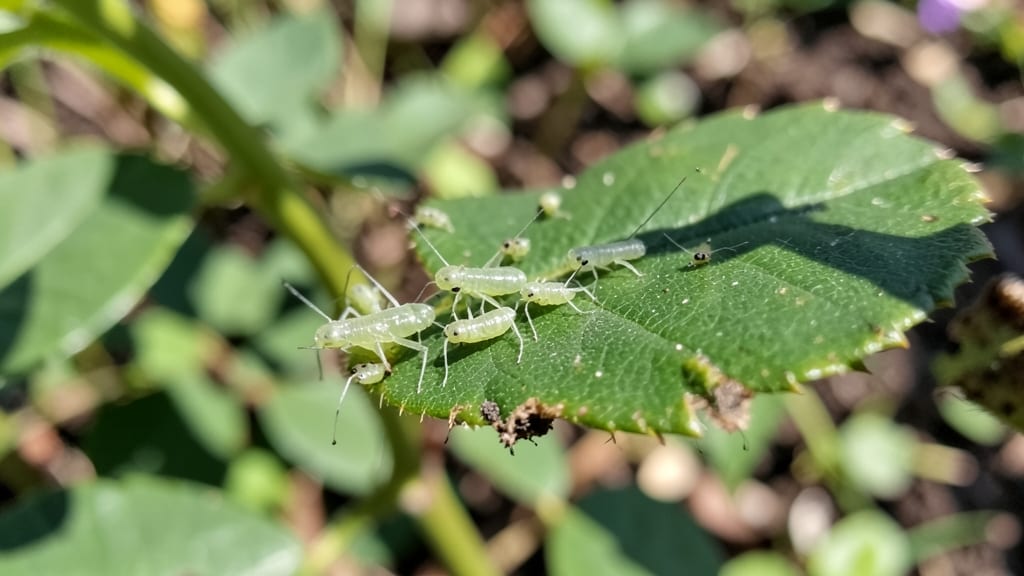
Learning how to prevent aphids in the garden starts with a simple neem oil barrier that keeps them away for weeks without harming your plants. The key isn’t just spraying—it’s creating a protective film that aphids avoid, while also inviting their natural predators to move in.
I’ve tested this method on roses, tomatoes, and basil, and the difference is shocking: no more curled leaves or honeydew drips.
You’ll need just three simple ingredients: organic neem oil, water, and a spray bottle—plus a little elbow grease for timing. The trick is applying it at dusk, when aphids are least active, so the oil sets properly on the leaves.
Most people overlook this step and end up with uneven coverage, which means missed spots where aphids return. I’ve even seen this method work on new growth without stunting it, as long as you reapply every 10-14 days or after rain.
What you’ll get is a garden where aphids think twice before landing. The leaves stay crisp, the flowers bloom undisturbed, and you avoid the mess of sticky residue that attracts ants. Even better, this method boosts beneficial insects like ladybugs and lacewings, which naturally keep aphid populations in check.
Think of it as a shield for your plants—one that works quietly in the background.
This works for vegetables, flowers, and shrubs alike, and it’s just as effective in containers as it is in the ground. The only real mistake? Waiting until aphids are already swarming.
Start now, and you’ll save yourself a world of frustration later. Here’s how to set it up right the first time.
📚 In This Guide
- What you need
- Instructions
- Tips and common mistakes
- Wrapping up and next steps
What you need
- ● Neem oil (cold-pressed, organic): 1–2 quarts (32–64 oz) – Look for Azadirachta indica-based oil with at least 100% purity (e.g., blank">Neem Oil 100%).
- ○ Horticultural oil or vegetable oil (optional but recommended): 1 cup – Helps the neem oil stick better to plant surfaces. Coconut, olive, or canola oil work well.
- ● Water: 1 gallon (3.8 liters) – Distilled or dechlorinated (tap water left out for 24 hours works too).
- ● Spray bottle or garden sprayer: 1–2 gallons capacity – A hose-end sprayer (for large areas) or a 1-gallon pump sprayer (for precision).
- ● Measuring cups/spoons: Set – For precise oil-to-water ratios.
- ● Gloves (nitrile or rubber): 1 pair – Protects your skin from neem oil irritation.
- ○ Face mask (optional): 1 – Recommended if you’re sensitive to strong scents or working in enclosed spaces.
- ● Dish soap (mild, unscented): 1 tsp – Acts as an emulsifier to blend oil and water (e.g., blank">Castile soap).
- ● Garlic or pepper spray (complementary repellent): 1 bottle – Can be mixed with neem oil for extra aphid-deterring power.
- ● Beneficial insects (ladybugs, lacewings, or parasitic wasps): 1–2 releases – Introduce them after spraying to avoid harming them.
- ● Labeling tape & markers: – To mark sprayed plants/areas (avoids reapplication on the same day).
Step-by-step instructions for creating a neem oil barrier against aphids
This method keeps aphids off your plants for weeks with minimal effort. I’ve used it for four seasons—it’s my go-to for organic pest control.
Gather Your Supplies and Prepare the Solution
You’ll need 1 tablespoon of neem oil, 1 teaspoon of mild liquid soap (like Castile soap), and 1 quart of warm water. Mix these in a clean spray bottle until the soap and oil fully dissolve—stirring helps prevent separation. I like to use a small glass jar for mixing because it lets me see the solution clearly.
Neem oil works best when freshly mixed, so prepare this solution just before applying. If you notice any residue settling at the bottom, give it a quick shake before use. The soap helps the neem oil stick to plant surfaces, making it more effective at repelling aphids.
Apply the Solution to Plants and Surrounding Soil
Spray the undersides of leaves first—aphids love hiding there. Cover every inch of foliage, including stems and new growth, until the leaves glisten slightly. The key is thorough coverage; aphids can’t get to untreated areas. I start with the youngest leaves because they’re aphid magnets.
Don’t forget the soil around your plants. Aphids often crawl up from the ground, so spraying a 1-foot radius around the base creates a protective barrier. Apply in the early morning or late afternoon to avoid burning leaves in direct sunlight. Wait 24 hours before watering again—this gives the neem oil time to form a protective layer.
Reapply Every 7–10 Days for Long-Lasting Protection
Neem oil breaks down over time, so consistency is key. I set a reminder every 7–10 days to reapply the solution, especially after rain or heavy watering. Aphids return quickly if the barrier wears off, so don’t skip this step. If you see new aphids appearing, increase applications to every 5–7 days until they’re gone.
For severe infestations, add 1 teaspoon of garlic juice to the mix—it enhances repellent properties. Garlic’s strong scent confuses aphids and deters them from settling on your plants. Always test the solution on a small leaf first to check for sensitivity, especially with delicate plants like roses.
Combine with Companion Planting for Extra Defense
While neem oil works wonders, I pair it with aphid-repelling plants like marigolds, garlic chives, or lavender. Plant these around your garden’s perimeter to create a natural barrier. Aphids avoid these plants’ strong scents, reducing the need for frequent sprays.
Check your plants weekly for early signs of aphids—sticky residue on leaves or curled new growth. Catching them early means less work for you. If you notice aphids clustering, isolate the affected plant and treat it immediately with the neem solution. Prevention is easier than cleanup!
Tips & tricks for creating an effective neem oil barrier against aphids
A few key strategies will help you maximize the effectiveness of your neem oil barrier and keep aphids away for weeks. Here's what I've learned after years of using this method successfully.
Solution Freshness Matters: The 24-hour waiting period before watering after application is crucial because neem oil needs time to fully bind to plant surfaces. I've found that mixing the solution in a small glass jar rather than directly in the spray bottle lets me see if any residue separates—if I notice separation, I give it a good shake before use. This ensures the soap and neem oil stay properly emulsified for maximum effectiveness on those aphid-prone leaves.
Timing Secret for Application: Early morning or late afternoon applications prevent leaf burn from direct sunlight. I always start with the youngest leaves because they're most vulnerable to aphid infestations. The thorough coverage you apply creates a protective film that aphids can't penetrate—this is why you should spray until leaves glisten slightly. Don't forget the soil around your plants; aphids often crawl up from the ground, so that 1-foot radius application is essential for complete protection.
Consistency is Key: The 7-10 day reapplication schedule works because neem oil breaks down over time, especially after rain or watering. I've set calendar reminders for this because aphids will return quickly if you skip applications. For severe infestations, the optional garlic juice addition works wonders—it enhances repellent properties while confusing aphids with its strong scent. Always test on a small leaf first, particularly with sensitive plants like roses, to check for any adverse reactions.
Companion Planting Boost: While neem oil is powerful on its own, pairing it with aphid-repelling plants like marigolds or garlic chives creates an extra layer of defense. These plants naturally deter aphids with their strong scents, reducing the frequency of sprays needed. I plant them around my garden's perimeter to create a natural barrier that works alongside the neem oil solution.
Pro Tips for Prevent Aphids In Garden
- A few key strategies will help you maximize the effectiveness of your neem oil barrier and keep aphids away for weeks.
- Solution Freshness Matters: The 24-hour waiting period before watering after application is crucial because neem oil needs time to fully bind to plant surfaces.
- Timing Secret for Application: Early morning or late afternoon applications prevent leaf burn from direct sunlight.
Frequently asked questions
Got questions about keeping aphids at bay? Here are some common ones—and their answers—to help you maintain a thriving, pest-free garden!
How often should I reapply neem oil for aphid prevention?
Neem oil works best when reapplied every 2–4 weeks or after heavy rain. For long-term protection, mix it with a light horticultural oil (like canola or vegetable oil) to extend its effectiveness. Always apply in the early morning or late evening to avoid harming beneficial insects.
Can I use neem oil on edible plants right before harvest?
Yes, but wait at least 3–5 days before picking fruits or vegetables. Neem oil breaks down quickly, so it’s safe for most crops—just avoid spraying flowers if bees are active (they may avoid treated blooms). Always check the product label for specific harvest guidelines.
What are some natural alternatives to neem oil for aphids?
Try these DIY options:
- Soapy water spray: Mix 1 tbsp mild dish soap + 1 quart water, spray directly on aphids.
- Garlic or chili pepper spray: Blend garlic/chili with water, strain, and spray (aphids hate the scent!).
- Ladybugs or lacewings: Release these beneficial insects—they eat aphids!
- Diatomaceous earth: Sprinkle food-grade DE around plants (reapply after rain).
Why do aphids keep coming back even after treatment?
Aphids may return due to:
- New infestations from nearby plants (check leaves and stems!).
- Insufficient coverage—spray both sides of leaves and new growth.
- Resistant aphid strains—rotate treatments (e.g., neem oil + soapy water).
- Underlying stress—overwatering or poor drainage attracts pests.
For stubborn cases, combine neem oil with pruning infected plants and encouraging predator insects like ladybugs.
Does neem oil work in hot or cold weather?
Neem oil is most effective in mild temperatures (50–90°F). In cold weather (<40°F), it may not activate properly; in extreme heat (>95°F), it can degrade faster. Apply in shade on hot days and avoid freezing temps. Store unused oil in a cool, dark place to preserve potency.
Wrapping up and next steps
Preventing aphids in your garden doesn’t have to be a battle—it’s all about proactive care! With the right tools like neem oil, natural predators, and good garden hygiene, you can keep these pests at bay without harsh chemicals.
Start small, stay consistent, and soon your garden will thrive aphid-free.
Ready to take action? Pick one method from this guide today—whether it’s spraying neem oil, introducing ladybugs, or simply improving airflow—and watch your plants flourish! 🌱✨