
Pests
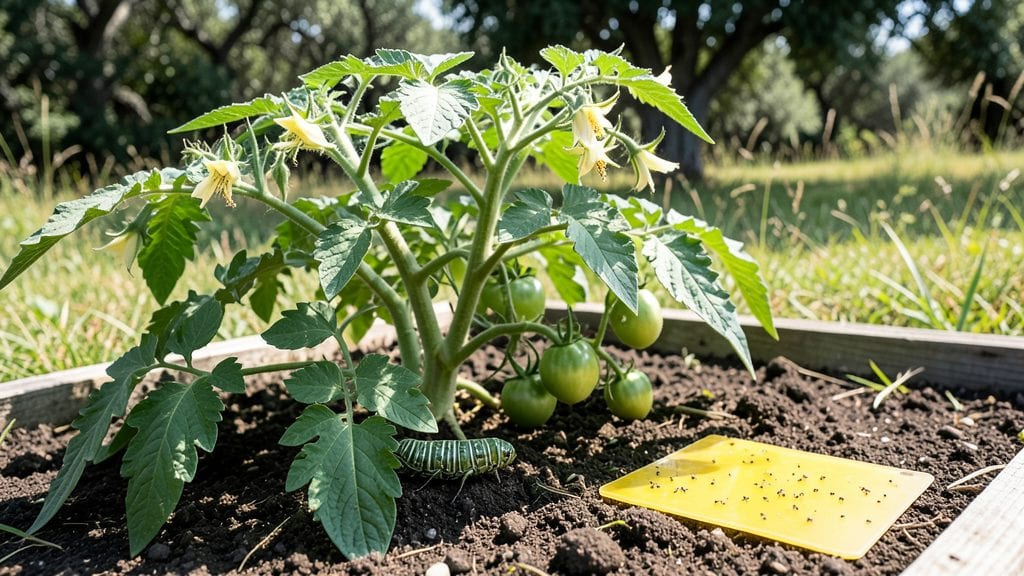
Organic garden pest control starts with understanding that nature’s balance can work for you, not against you. 🌱 I’ve spent years battling aphids and slugs with chemical sprays—until I realized the real solution was working with the ecosystem, not against it.
The key isn’t eliminating pests entirely (that’s impossible) but keeping them at levels where they don’t ruin your harvest.
Most gardeners overlook the fact that 90% of pest problems come from three simple issues: hungry pests, stressed plants, and missing natural predators. My breakthrough? A three-pronged approach—physical barriers (like copper tape for slugs), plant-based repellents (garlic spray for aphids), and habitat support (inviting ladybugs and lacewings).
It’s not about spraying; it’s about setting up a garden where pests choose to leave.
By the end of this, you’ll have a garden where pests are rare, not constant. Imagine harvesting crisp lettuce without holes, juicy tomatoes without caterpillar scars, and flowers that stay intact. The secret isn’t complicated—it’s about smart prevention and targeted interventions when needed.
The best part? These methods work for vegetable gardens, flower beds, and even houseplants, with no harmful residues. No more waiting for pests to strike—you’ll be one step ahead. Let’s get your garden back to thriving, not just surviving.
Root Causes Of Garden Invaders
Unwanted critters in your organic garden aren’t just random bad luck—they’re drawn by specific conditions that make your space an all-you-can-eat buffet. Understanding these triggers is the first step to outsmarting them without chemicals. Let’s break down the science behind why pests show up in the first place.
Healthy soil isn’t just about nutrients—it’s a complex ecosystem. When soil lacks microbial diversity, organic matter, or proper drainage, it sends distress signals to pests. Here’s why:
- Weakened Plants: Stressed plants (from compacted soil, poor aeration, or nutrient deficiencies) produce weaker defenses. Pests like aphids and spider mites detect these plants as "easy targets" because their sap is less toxic and easier to consume.
- Fungal Feasts: Overly moist or anaerobic soil (lacking oxygen) encourages fungal growth, which attracts slugs, snails, and fungus gnats. These pests thrive in damp, decaying organic matter.
- Nematode Hotspots: Sandy or waterlogged soil creates ideal conditions for microscopic nematodes, which attack plant roots. They multiply rapidly in soil with high salt content or low microbial competition.
Pro Tip: 💡 Test your soil’s pH and microbial activity annually. A balanced soil food web (with compost, mycorrhizal fungi, and beneficial bacteria) naturally deters pests by making plants less appealing.
Imagine walking into a buffet where every table has the same dish—boredom sets in, but so do pests. Gardens with single-species plantings (like a massive tomato patch) create a pest paradise because:
- Limited Biodiversity: Pests like Colorado potato beetles or cabbage worms specialize in specific plants. A monoculture gives them a never-ending food source with no natural predators in sight.
- Poor Airflow: Dense plantings trap humidity, creating the perfect environment for fungal diseases (e.g., powdery mildew) and the pests that feed on infected plants.
- Disrupted Ecosystems: A diverse garden attracts pollinators, birds, and beneficial insects (like ladybugs or lacewings) that prey on pests. Monocultures leave no room for these allies.
Pro Tip: 🎯 Use the "3 Sisters" method (corn, beans, squash) or companion planting (e.g., basil with tomatoes) to confuse pests and support natural pest control.
Your garden might be accidentally designed like a luxury resort for pests. Here’s how:
- Debris & Mulch Piles: Leaves, grass clippings, and thick mulch create hiding spots for slugs, earwigs, and cutworms. These pests thrive in dark, moist microclimates.
- Standing Water: Even shallow puddles become breeding grounds for mosquito larvae, fungus gnats, and slugs. Stagnant water also attracts deer and rabbits.
- Wood & Rock Piles: Untreated wood attracts termites, carpenter ants, and even rodents. Rocks can harbor spider mites and hide beetle larvae.
Pro Tip: ✨ Keep your garden tidy but strategically so. Leave some leaf litter in borders for beneficial insects, but remove piles near edible plants.
Pests don’t just appear—they’re triggered by environmental cues. Here’s how weather patterns play a role:
- Mild Winters: Many pests (e.g., Japanese beetles, squash bugs) survive cold snaps in protected microclimates (under mulch, bark, or leaf litter). Warmer winters mean more survivors to reproduce in spring.
- Sudden Rainfall: Heavy rain washes away natural predators (like ground beetles) and creates muddy conditions ideal for slugs and cutworms.
- Drought Stress: Drought-weakened plants produce less sap and more sugars in their leaves, making them sweeter targets for aphids and whiteflies.
Pro Tip: 🌡️ Monitor your local weather patterns and adjust planting times. For example, avoid planting squash in early spring if frost is predicted—it attracts squash vine borers.
By addressing these root causes, you’re not just treating symptoms—you’re redesigning your garden to be a less appealing (and more resilient) space for pests. The key? Prevention through diversity, health, and smart design.
Natural Fixes for Common Garden Problems
Pests and plant issues can feel overwhelming, but with the right organic solutions, you can restore balance to your garden without harsh chemicals. Below, we’ve mapped common garden pests and problems to easy, effective fixes—plus prevention tips to keep your plants thriving long-term.
Cause: These sap-sucking pests cluster on new growth, leaving sticky residue (honeydew) and weakening plants.
Fix It: 🔥 Blast Them Off – Use a strong stream of water (early morning) to dislodge aphids from leaves. 🍳 Homemade Soap Spray – Mix 1 tbsp mild castile soap + 1 quart water in a spray bottle. Apply directly to infested areas. 👨🍳 Introduce Predators – Ladybugs and lacewings love aphids. Buy them online or attract them with nectar-rich flowers (like dill or marigolds). 🥘 Neem Oil Treatment – Spray diluted neem oil (1 tsp oil + 1 tsp soap + 1 quart water) to disrupt their life cycle.
Prevent Them: ✨ Plant Companion Flowers – Marigolds, garlic, and chives repel aphids naturally. 🌡️ Encourage Beneficial Bugs – Leave some dandelions or clover for ladybugs to nest in. 🎯 Remove Infested Leaves – Prune heavily damaged foliage and compost it away from your garden.
Cause: These slimy critters leave irregular holes in leaves and love damp, shady spots.
Fix It: 🔪 DIY Beer Traps – Bury a shallow dish filled with beer near plants. Slugs crawl in and drown (gross but effective!). 🍳 Copper Barrier – Wrap copper tape around pots or garden beds—slugs get a mild shock and avoid it. 👨🍳 Eggshell Collars – Crush eggshells into a ring around seedlings; the sharp edges deter slugs. 🥘 Diatomaceous Earth (DE) – Sprinkle food-grade DE around plants (reapply after rain). It dehydrates slugs without harming soil.
Prevent Them: 💡 Water in Mornings – Slugs thrive in damp conditions; watering early lets soil dry by night. 🔥 Remove Hideouts – Clear debris, boards, or thick mulch where slugs hide during the day. 🌱 Plant Slug-Resistant Crops – Try nasturtiums, rosemary, or thyme—they’re slug-proof and add flavor!
Cause: Overwatering, poor airflow, or humid conditions create the perfect breeding ground for powdery mildew, black spot, or rust.
Fix It: 🌡️ Baking Soda Spray – Mix 1 tbsp baking soda + 1 tsp soap + 1 gallon water. Spray on leaves (test a small area first). 🍳 Milk Spray (Yes, Really!) – Use 1 part milk to 9 parts water. The fatty acids fight fungi—spray weekly. 👨🍳 Prune for Airflow – Thin out crowded plants and remove infected leaves immediately. 🥘 Copper Fungicide – Organic copper-based sprays (like Bordeaux mixture) prevent spread on fruits/veggies.
Prevent Them: ✨ Water at the Base – Avoid wetting leaves; use drip irrigation or soaker hoses. 🎯 Space Plants Properly – Follow seed packet spacing guidelines for better airflow. 💪 Strengthen Plants – Healthy soil (rich in compost) helps plants resist disease.
Cause: These white, moth-like pests cluster on undersides of leaves, sucking sap and spreading viruses.
Fix It: 🔥 Sticky Yellow Traps – Hang yellow cards coated with petroleum jelly near plants to trap adults. 🍳 Neem Oil Spray – Apply neem oil weekly to disrupt their breeding cycle. 👨🍳 Blast with Water – Knock them off leaves with a strong spray (repeat daily for 3–5 days). 🥘 Encourage Wasps – Parasitic wasps (like Encarsia formosa) hunt whiteflies—order them online or plant basil to attract them.
Prevent Them: 💡 Inspect New Plants – Quarantine new additions for 2 weeks before introducing them to the garden. 🔥 Use Reflective Mulch – Aluminum foil or reflective plastic confuses whiteflies and deters them. 🌱 Avoid Over-Fertilizing – Too much nitrogen attracts these pests; balance your soil instead.
- Rotate Crops – Plant the same family in a different spot each year to disrupt pest cycles.
- Interplant Flowers – Marigolds, basil, and nasturtiums repel pests naturally.
- Keep Tools Clean – Sterilize pruners with rubbing alcohol to avoid spreading diseases.
- Healthy Soil = Happy Plants – Test your soil and amend with compost for resilient crops.
By tackling problems early and using these organic, non-toxic methods, you’ll create a garden that’s thriving and pest-resistant—without a single chemical in sight! 🌱✨
Frequently asked questions
What are the most common organic garden pests I should watch for?
Aphids, slugs, and spider mites are the top three troublemakers in most organic gardens. Aphids cluster on new growth, slugs leave slime trails on leaves, and spider mites create fine webbing between leaves. Early identification is key—check undersides of leaves and soil surfaces regularly, especially after rain.
How do I know if my plants are stressed enough to attract pests?
Stressed plants show yellowing leaves, stunted growth, or wilting—these are red flags for pests. Weak plants produce less sap and more sugars, making them easier targets. Test your soil pH and microbial activity annually; healthy soil with balanced nutrients helps plants resist pests naturally.
Are there any organic sprays that work better than others for specific pests?
Neem oil is a versatile solution for aphids, whiteflies, and mites—mix 1 tsp neem oil + 1 tsp soap + 1 quart water. For slugs, diatomaceous earth (DE) is effective but must be reapplied after rain. Garlic spray (blended garlic + water) deters soft-bodied pests like aphids and cabbage worms.
Can companion planting really reduce pests, or is it just a myth?
It’s not a myth—companion planting works by confusing pests and attracting their natural predators. Marigolds repel nematodes, basil deters whiteflies, and nasturtiums distract aphids from your vegetables. The key is diversity; avoid planting the same family in one spot to break pest cycles.
What’s the best time of day to apply organic pest controls?
Early morning is ideal for most sprays (neem oil, garlic spray) because cooler temps reduce plant stress. Avoid applying when bees are active (midday) or when dew is present. For physical barriers like copper tape, install them before pests arrive—slugs and snails are most active at night.