
Picking
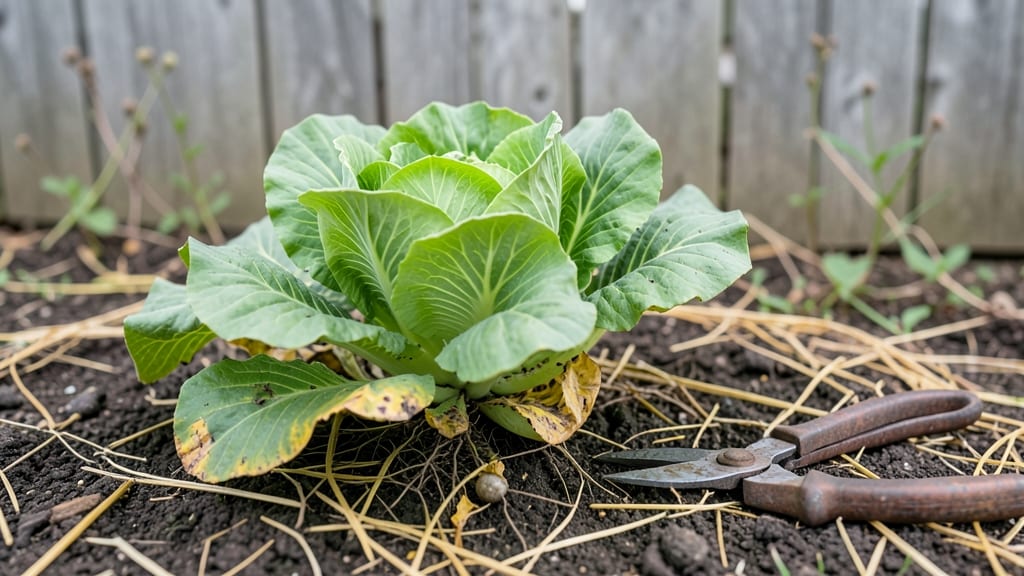
Learning how to pick lettuce leaves from your garden the right way turns a handful of greens into a continuous harvest—so I perfected a method that keeps your plants productive for months. The secret lies in timing, technique, and knowing when to stop before you start.
You don’t need fancy tools: clean kitchen scissors or your fingers work fine. The key is cutting just above a leaf’s base where new growth emerges, never more than a third of the plant at once.
This leaves enough energy for regrowth while giving you tender leaves for salads or sandwiches. My favorite time to harvest is in the morning after dew dries, when leaves are crisp and full of flavor.
What you’ll end up with is a lettuce plant that keeps producing fresh, sweet leaves for weeks—no bitter stems or bolted centers in sight. The right technique also prevents stress, so your plants stay vibrant green and ready for your next harvest.
Even if you’ve killed lettuce before, this method rebuilds confidence in your green thumb.
Works for all lettuce types—loose-leaf, romaine, or butterhead—and adapts to container gardens or in-ground beds. The only rule? Start small, watch your plants respond, and adjust as you go. You’ll be harvesting like a pro in no time.
📚 In This Guide
- What you need
- Instructions
- Tips and common mistakes
- Wrapping up and next steps
What you need
- ● Sharp kitchen shears or garden scissors – Opt for clean, stainless-steel scissors (e.g., blank">Fiskars 8-inch) to avoid crushing stems or spreading disease. No pruners with dull blades!
- ○ Gloves (optional but recommended) – Lightweight gardening gloves (e.g., blank">Copper Fit) protect your hands from dirt, thorns (like in romaine), and potential allergens.
- ● Large bowl or harvest basket – A wide, shallow container (10+ inches in diameter) prevents leaves from bruising. Tip: Line it with a damp towel to keep lettuce fresh!
- ● Spray bottle with water – A 16-ounce misting bottle helps hydrate leaves post-harvest and reduces wilting.
- ● Notebook & pen (for tracking) – Jot down harvest dates, varieties, and plant health to monitor growth patterns.
- ● Pruning shears with a bypass blade – For larger lettuce heads (like romaine or butterhead), these provide cleaner cuts than scissors.
- ● Harvest knife (e.g., Felco F-2) – Useful for thick-stemmed varieties like oakleaf lettuce.
- ● Ice cube tray or mesh bag – Stores loose leaves without crushing them; great for post-harvest cooling.
- ● Pesticide spray (organic, if needed) – A neem oil solution can treat pests before harvesting for cleaner, safer leaves.
- ● Sunscreen & hat – If harvesting midday, protect yourself from UV rays while working outdoors!
Step-by-step instructions for harvesting lettuce leaves without damaging plants
Harvesting lettuce properly keeps your plants productive and healthy—here's how to do it right.
Wait Until Lettuce Reaches the Right Size
Lettuce leaves are ready to harvest when they reach about 3-4 inches long, depending on the variety. This is when they're fully developed but still tender. You'll know they're ready because the leaves will feel firm to the touch and have a vibrant color—no longer pale or floppy. Harvesting too early means small, underdeveloped leaves, while waiting too long can make them bitter or tough.
Check your lettuce daily in the morning, when leaves are crisp and full of moisture. If you're growing a loose-leaf variety, you can start picking outer leaves as soon as they reach 2 inches, but wait for full size with head lettuce like romaine or iceberg. This ensures the plant has enough energy to keep producing new growth.
Use the Right Technique to Pick Leaves
Never rip leaves from the plant—this damages the stem and can kill the plant. Instead, use a pair of clean, sharp pruning shears or your fingers to gently pinch the leaf just above where it meets the stem. Hold the leaf firmly and make a clean cut or snap it off with a slight twist. You'll hear a satisfying pop when it separates cleanly from the plant.
If you're harvesting outer leaves from a loose-leaf variety, leave the inner leaves intact so the plant can keep growing. For head lettuce, you can either pick individual leaves or harvest the entire head when it's fully formed. Always leave at least 1-2 inches of growth at the base to encourage regrowth. This method keeps your lettuce producing for weeks, not just a single harvest.
Harvest at the Best Time of Day
Morning is the ideal time to harvest lettuce because the leaves are fully hydrated and at their crispest. Afternoon heat can make them wilt quickly, and evening harvests may leave them soggy if dew is present. Pick leaves when the soil is slightly damp but not wet—this ensures they stay fresh longer after harvesting.
Work gently to avoid bruising the leaves. If you notice any yellowing or wilting, skip those leaves and focus on harvesting the healthiest ones. Store harvested lettuce in a plastic bag with a paper towel in the refrigerator to keep it fresh for up to a week. This simple storage trick prevents sogginess and keeps your lettuce crisp for longer.
Encourage Regrowth After Harvesting
After harvesting, give your lettuce a boost to keep producing. Water the base of the plant deeply, ensuring the soil is moist but not waterlogged. Lettuce has shallow roots, so 1 inch of water per week is usually enough, depending on your climate. If the soil feels dry to the touch, it's time to water.
If your lettuce starts to bolt (send up a flower stalk), it's a sign it's ready to produce seeds and won't regrow well. To prevent bolting, harvest frequently and keep the plant shaded during hot afternoons if possible. Mulching with 1-2 inches of straw around the base helps retain moisture and keeps the soil cool, which encourages more leaf growth.
Monitor and Maintain for Continuous Harvests
Check your lettuce every 2-3 days for new growth. If you notice pests like aphids or slugs, address them immediately—these can quickly damage a lettuce plant. Aphids can be washed off with a strong spray of water, while slugs can be deterred with a ring of diatomaceous earth around the base of the plant.
Fertilize lightly every 3-4 weeks with a balanced 10-10-10 fertilizer to keep the plant healthy. Too much fertilizer can cause bitter-tasting leaves, so use it sparingly. With proper care, a single lettuce plant can provide you with multiple harvests over several weeks, making it one of the most rewarding garden crops to grow.
Tips & tricks for perfect lettuce harvesting
A few simple tricks will help you harvest lettuce like a pro while keeping your plants thriving for weeks to come.
Size Matters: When harvesting loose-leaf varieties, don't wait until all leaves reach 3-4 inches—start picking outer leaves at 2 inches to encourage continuous growth. For head lettuce like romaine, wait until the entire head is firm and fully formed before harvesting. This balance prevents bitterness while maximizing yield. I learned this the hard way by waiting too long and ending up with tough, bitter leaves.
Harvesting Technique: The clean snap you hear when properly harvesting leaves is your success signal. Pinch leaves just above the stem using your thumb and forefinger, or use clean pruning shears for a precise cut. Always leave at least 1-2 inches of growth at the base to maintain the plant's energy reserves. This method preserves the plant's ability to regenerate new leaves for multiple harvests.
Timing is Everything: Morning harvests yield the crispest leaves because they're fully hydrated from overnight moisture. Avoid harvesting in the afternoon when leaves can wilt quickly from heat stress. I've found that harvesting when the soil is slightly damp (but not wet) helps maintain leaf quality for longer storage.
Regrowth Secrets: After harvesting, water deeply at the base to encourage new growth, aiming for 1 inch of water per week. Mulching with 1-2 inches of straw helps retain moisture and keeps roots cool, which is especially important during hot weather. This simple step can extend your harvest season by several weeks.
Pro Tips for Pick Lettuce Leaves From Your Garden
- A few simple tricks will help you harvest lettuce like a pro while keeping your plants thriving for weeks to come.
- Size Matters: When harvesting loose-leaf varieties, don't wait until all leaves reach 3-4 inches—start picking outer leaves at 2 inches to encourage continuous growth.
- Harvesting Technique: The clean snap you hear when properly harvesting leaves is your success signal.
Frequently asked questions
Got questions about harvesting your lettuce the right way?
Here are answers to the most common ones—so you can keep your garden thriving while enjoying fresh, crisp leaves!
When is the best time of day to pick lettuce?
The ideal time is early morning after the dew dries (around 8–10 AM). Lettuce is crispest then and less stressed from heat. Avoid harvesting midday when leaves are wilted or in extreme heat, which can damage tender plants.
Can I pick just the outer leaves, or do I need to harvest the whole plant?
You can absolutely harvest just the outer leaves—this is called "cut-and-come-again"! Snip or pinch off the largest, oldest leaves (about 1/3 of the plant) to encourage regrowth. For full heads (like romaine or iceberg), harvest the whole plant at once for best texture.
What’s the best tool to use for picking lettuce?
For small gardens, clean scissors or pruning shears work great for clean cuts. For larger leaves, a sharp knife is ideal. Avoid tearing leaves by hand—it bruises them and invites pests. Pro tip: Disinfect tools with rubbing alcohol between uses to prevent disease!
Why are my lettuce leaves turning bitter after picking?
Bitter flavor often happens when lettuce bolts (sends up a flower stalk) due to heat or age. To prevent it, harvest young leaves regularly and keep plants shaded in hot weather. If it’s too late, try cooking the leaves (they’re great in soups or sautéed dishes!).
How do I store picked lettuce to keep it fresh longer?
Wrap leaves loosely in a damp paper towel and store them in a perforated plastic bag in the fridge (35–40°F). Avoid washing until ready to eat—moisture speeds up spoilage. For extended freshness, trim stems and store heads upright in a container with 1 inch of water (like flowers).
Wrapping up and next steps
Picking lettuce leaves from your garden doesn’t have to be stressful—with the right techniques, you can enjoy fresh, crisp greens while keeping your plants thriving. Remember to harvest outer leaves first, use clean tools, and avoid over-picking to ensure your lettuce keeps growing strong.
Whether you’re a beginner or a seasoned gardener, a little care goes a long way in reaping the rewards of your hard work! 🌱
Now that you’re ready to harvest, why not share your bounty? Invite friends over for a salad night or preserve your lettuce by drying or freezing it for later. Happy gardening—and enjoy those delicious, homegrown greens! 🥗✨