
Fertilization
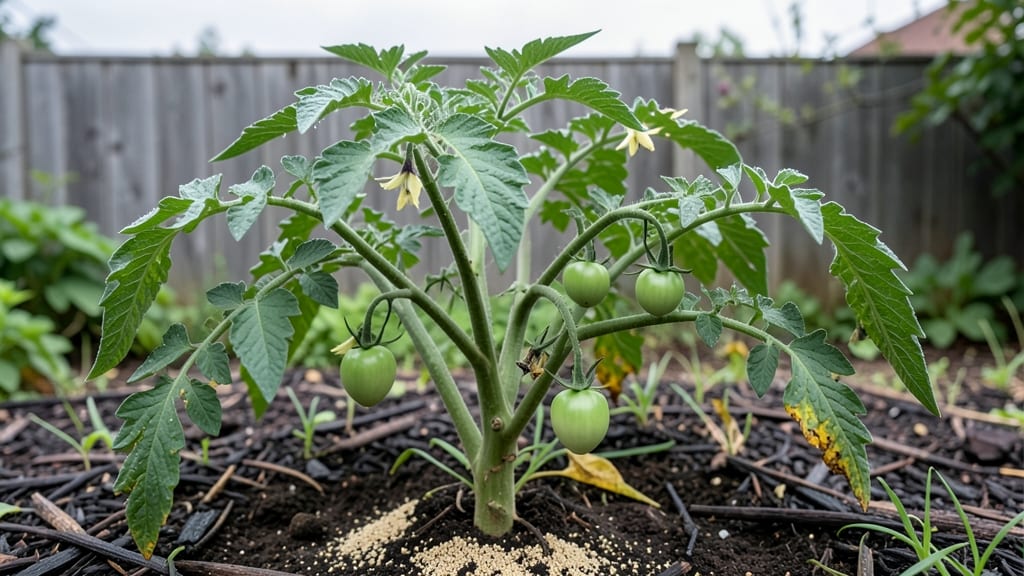
Figuring out how much fertilizer for garden requires checking soil test results and matching them to your plants' needs: use 1 pound of nitrogen per 100 square feet for lawns, follow package instructions for vegetables, and cut doses in half for flowers. Schedule applications every 6-8 weeks during the growing season, and switch between organic and synthetic options based on your soil's composition.
Soil tests reveal the real story about what your garden actually needs—not just what you think it needs. 🌱 For example, a soil sample showing low phosphorus might mean you should focus on bone meal for root crops, while high potassium levels could signal your tomatoes are getting too much.
I always recommend testing before applying anything, because over-fertilizing can burn plants and leach into groundwater. The type of soil matters too: clay holds nutrients tightly, while sandy soil drains quickly, so you'll need to adjust both the amount and frequency of applications accordingly.
Most gardeners make the mistake of using a one-size-fits-all approach, but plants have wildly different appetites. 🌷 Vegetables like tomatoes and peppers are heavy feeders and often need more frequent applications, while perennials and ornamental grasses might only need a boost once or twice a year.
Organic options like composted manure or fish emulsion break down slowly, so you'll need to apply them more often than quick-release synthetic granules. Always read the label carefully—what works for your neighbor's lawn might actually harm your prized roses.
💡 In This Article
- Interpreting Soil Test Results for Fertilizer Needs
- Plant-Specific Fertilizer Application Charts
Interpreting soil test results for fertilizer needs
Soil tests provide three critical numbers that dictate your fertilizer strategy: pH, NPK ratios (nitrogen, phosphorus, potassium), and micronutrient levels. The pH scale (0-14) tells you how acidic or alkaline your soil is—most plants thrive between 6.0 and 7.0.
For example, blueberries need 4.5-5.5 for optimal iron uptake, while vegetables like tomatoes prefer 6.2-6.8. These values aren't just numbers; they determine which nutrients your plants can actually absorb. A pH of 5.0 might mean your soil is locking out phosphorus, even if you're applying it.
NPK ratios reveal the current nutrient balance in your soil. Nitrogen (N) fuels leafy growth, phosphorus (P) supports root development, and potassium (K) strengthens disease resistance.
A test showing 10-5-5 means your soil has twice as much nitrogen as phosphorus or potassium—perfect for lawns but potentially problematic for flowering plants that need more phosphorus.
The key is matching these ratios to your plants' needs: high-N for grasses, balanced (10-10-10) for vegetables, and low-N, high-P for blooming flowers. Organic matter percentages (typically 3-6%) also matter because they influence how well your soil retains these nutrients—clay soils hold them tightly, while sandy soils release them quickly.
Micronutrient deficiencies often appear as subtle but telling signs: yellowing between leaf veins suggests magnesium deficiency, while purple stems indicate low phosphorus. Your soil test will show levels of elements like iron, zinc, and manganese, which are crucial for photosynthesis and enzyme function.
For instance, if your test reveals low iron (<5 ppm), you might need to apply chelated iron or compost to correct it. The texture of your soil—whether it's clay, loam, or sand—also affects how you should apply these nutrients.
Clay soils can "fix" phosphorus, making it unavailable, while sandy soils may require more frequent applications to prevent leaching.
Here's what to do with these numbers: if your test shows low potassium (<100 ppm), consider applying wood ash or a potassium sulfate fertilizer. For organic gardeners, compost tea can boost micronutrients naturally. The goal is to bring your soil into balance—not just add more of everything. For example, if your test indicates high nitrogen but low phosphorus, you'd want to use a fertilizer with a ratio like 5-10-5 rather than a generic 10-10-10 blend. This precision prevents nutrient imbalances that can stress plants or even attract pests.
What most people overlook is how organic matter percentages affect nutrient retention. Soil with 5% organic matter holds nutrients better than soil with 2%**, so you might need to apply less fertilizer if your test shows high organic content.
Conversely, low organic matter means you'll need to boost both nutrients and soil structure—perhaps by adding compost before fertilizing. Think of your soil like a sponge: the more organic matter it has, the more it can store and release nutrients gradually, reducing the need for frequent applications.
Pro tip: Keep your soil test report handy when shopping for fertilizers. If your test shows low phosphorus, look for products with a higher middle number (like 10-20-10). For micronutrient deficiencies, consider liquid amendments like seaweed extract or fish emulsion, which provide a broader spectrum of elements.
The right fertilizer isn't just about the numbers—it's about matching those numbers to your plants' specific needs and your soil's unique characteristics. 🌱