
Tools
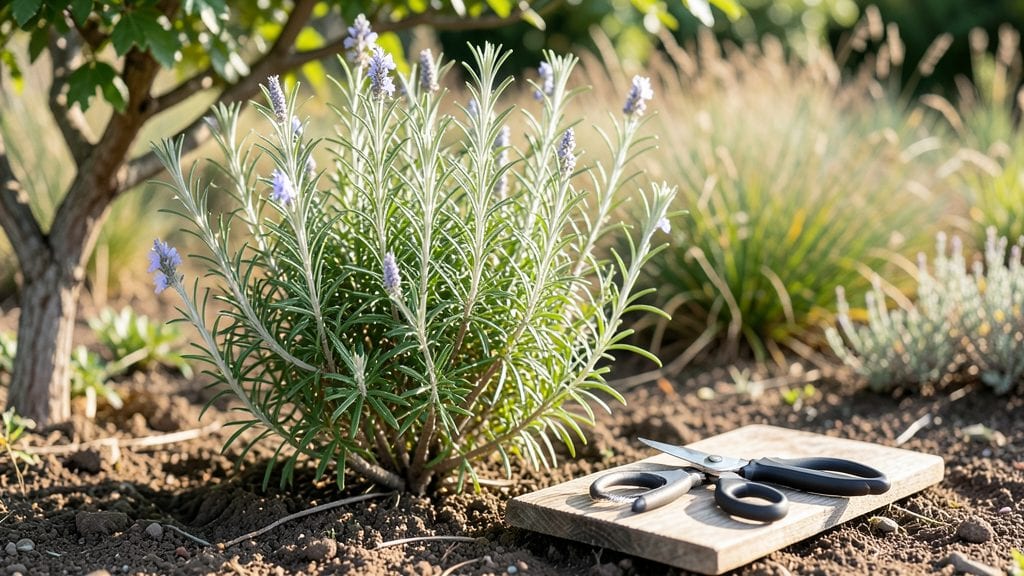
Garden scissors are most commonly called pruning shears, though they include specialized types like bypass, anvil, and hedge shears, each designed for specific cutting tasks in landscaping and plant care.
When people ask "what are garden scissors called," they're usually looking for the right tool to trim plants without damage. 🌿 The term pruning shears covers the whole category, but the real magic happens in the blade design—bypass shears use two sharp blades to make clean cuts (perfect for live stems), while anvil shears crush stems against a flat blade (ideal for dead wood).
I always recommend bypass shears for delicate plants like roses because they preserve the plant's natural healing process, whereas anvil shears can crush stems and leave ragged edges.
Beyond the basic types, you'll find hedge shears for shaping large plants and loppers for thicker branches. The right choice depends on your gardening needs—whether you're maintaining a manicured hedge or pruning a small shrub.
Always check the blade material too; high-carbon steel stays sharper longer but requires more maintenance than stainless steel.
💡 In This Article
- Pruning Shears Mechanics: Bypass vs Anvil Differences
- Choosing the Right Pruning Shears for Your Garden
Pruning shears mechanics: bypass vs anvil differences
Bypass shears work like a pair of scissors, with two sharp blades that slide past each other to make a clean, precise cut. This design is ideal for live plant material because it minimizes damage to the stem's vascular system, allowing the plant to heal properly.
The blades typically measure between 5-8 inches and are made from high-carbon steel for durability, though some premium models use chrome-vanadium alloy for enhanced sharpness retention.
The anvil design, on the other hand, features one sharp blade that crushes against a flat anvil surface. This creates a cleaner cut on dry or dead wood but can crush live stems, which may lead to slower healing or disease entry points.
Anvil shears are often preferred for pruning woody plants or cutting branches thicker than ½ inch in diameter. The crushing action also makes them better suited for cutting through tough, fibrous materials like bamboo or grapevines.
Precision is where bypass shears truly shine—their scissor-like action allows for controlled cuts close to the branch collar (the swollen area where the branch meets the trunk). This is crucial for maintaining plant health, as improper cuts can leave unsightly stubs or damage the plant's growth layers.
Anvil shears, while less precise, offer more leverage for cutting thicker materials, making them essential tools for heavy-duty pruning tasks like clearing brush or trimming overgrown hedges.
The blade materials play a significant role in performance. Bypass shears often use high-carbon steel (0.6-1.2% carbon content) for their blades, which maintains a razor-sharp edge but requires regular oiling to prevent rust. Anvil shears may use similar materials, but their crushing action is less demanding on the blade's sharpness.
For both types, the handle design matters too—ergonomic grips with non-slip coatings reduce hand fatigue during extended use, which is especially important when tackling large garden projects.
Durability differs between the two types as well. Bypass shears generally have a longer lifespan when properly maintained because their blades experience less stress from crushing. However, they can be more expensive upfront due to the precision engineering required.
Anvil shears tend to be more affordable but may require blade replacement more frequently if used on abrasive materials like rough bark or gravel-covered branches. The choice often comes down to your specific gardening needs and budget considerations.
What most gardeners don't realize is how the cutting action affects plant recovery. Bypass shears create a smoother cut that seals the stem more effectively, reducing water loss and disease risk.
This is why they're the preferred choice for flowering plants and fruit-bearing trees where precise cuts are essential for optimal growth. Anvil shears, while less ideal for live plants, excel at cleanly severing dead wood, which is crucial for maintaining plant health by removing potential disease vectors.