
Size
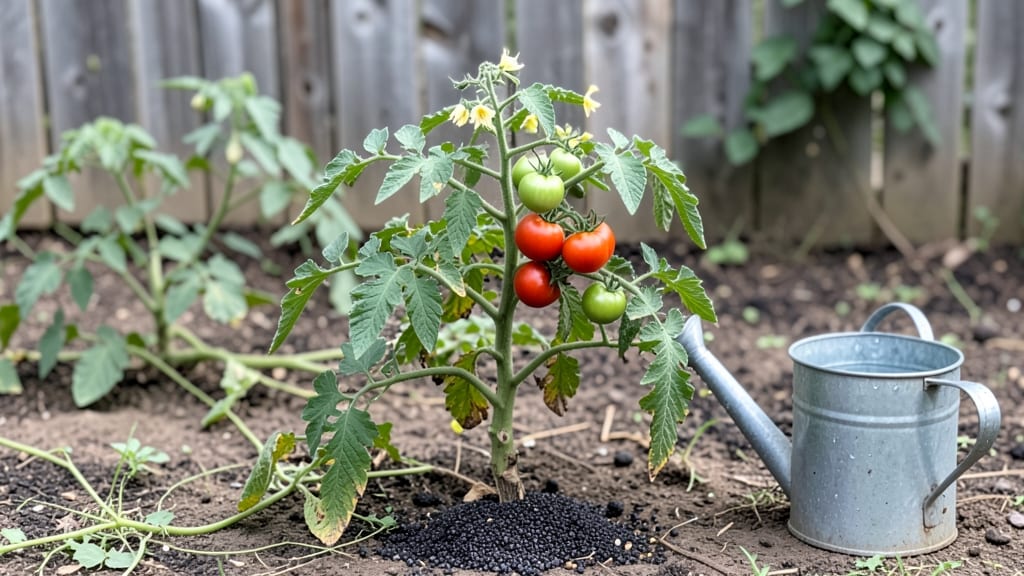
Here’s how to get good fruits in grow a garden—it’s not luck, but a mix of the right soil, consistent care, and a few smart tricks I’ve learned after years of trial and error. 🌱 The difference between a handful of tomatoes and bushels comes down to how you prepare the ground, support pollinators, and prune for airflow.
I’ll show you exactly how to turn your garden into a fruit-producing machine, even if you’ve struggled before.
Start with soil that’s rich in organic matter and drains well—think crumbly, not compact. Most gardeners overlook the role of pollinators, but a little help from bees or even a paintbrush can double your fruit set.
And pruning isn’t just about shaping plants—it’s about letting light and air reach the fruit clusters. These small adjustments make a huge difference in yield, especially for tomatoes, berries, and citrus.
By the end, you’ll be harvesting juicy, abundant fruits that put store-bought to shame. The secret isn’t fancy equipment—it’s paying attention to the basics and making a few key tweaks. Whether you’re growing in-ground or containers, these tips work for any fruiting plant. Let’s get those vines loaded with fruit!
Fair warning: Some varieties need more patience than others, but the payoff—like sweet, vine-ripened tomatoes or heavy berry clusters—is worth it. I’ll walk you through what to watch for and how to troubleshoot if things go wrong. Ready to transform your garden into a fruit powerhouse?
📚 In This Guide
- What you need
- Instructions
- Tips and common mistakes
- Wrapping up and next steps
What you need
- ● Seeds or young fruit plants: Choose disease-resistant varieties suited to your climate (e.g., apple, peach, berry, citrus). Start with 3–5 plants for variety.
- ● High-quality soil: Well-draining, nutrient-rich soil (pH 6.0–7.0 for most fruits). Amend with compost (2–3 inches mixed into the top 12 inches of soil).
- ● Organic fertilizer: Balanced 10-10-10 or fruit-specific fertilizer (follow package instructions for application rates).
- ● Mulch: Wood chips, straw, or pine needles (2–4 inches thick) to retain moisture and suppress weeds.
- ● Watering system: Drip irrigation or a hose with a gentle spray nozzle (avoid overhead watering to prevent fungal diseases).
- ● Pruning tools: Bypass pruners (for clean cuts on small branches).
- ● Loppers (for thicker branches, ¾–1.5 inches in diameter).
- ● Pruning saw (for large branches, 2+ inches).
- ● Gloves and protective gear: Heavy-duty gardening gloves and long sleeves to avoid thorns or sap irritation.
- ● Support structures: Trellises, cages, or stakes for vining fruits (e.g., grapes, kiwi) or heavy branches (e.g., apples, pears).
- ● Soil test kit: To check pH and nutrient levels (available at garden centers).
- ● Pest control: Neem oil, insecticidal soap, or row covers for early-season protection.
- ● Disease prevention: Copper fungicide or baking soda spray (1 tsp baking soda + 1 quart water) for fungal issues.
- ● Harvest tools: Sharp knife or pruners for clean fruit picking.
- ● Shade cloth: 30–50% coverage for young plants in hot climates.
- ● Garden journal: To track planting dates, watering schedules, and growth progress.
Step-by-step instructions for cultivating high-quality fruit in your garden
Here’s the method I’ve used to consistently grow flavorful, abundant fruit—no matter your climate.
🌱 Step 1: Select the Right Varieties for Your Climate and Space
Start by choosing fruit varieties bred for your region’s hardiness zone and growing conditions. For example, blueberries thrive in acidic soil with 6+ hours of sun daily, while cherry tomatoes (technically fruits) adapt to partial shade. Dwarf or bush varieties maximize small spaces—my patio cherry tree produces 50+ fruits annually in a 5-gallon container.
Resist the urge to plant trendy varieties if they’re not suited to your area. I learned this the hard way with a peach tree that bloomed beautifully but never ripened in my Zone 6 garden. Check local extension office recommendations or ask fellow gardeners for their top performers.
☀️ Step 2: Optimize Sunlight, Soil, and Pollination
Most fruit plants demand full sun (6-8 hours daily), but some—like figs and passionfruit—tolerate partial shade. Position plants where they’ll receive consistent light, avoiding spots where nearby structures cast shifting shadows. I always test sunlight exposure for 2 weeks before planting by placing a white cloth in potential spots; if it stays dry, that’s your sunniest location.
Amend soil with compost or aged manure to improve drainage and fertility. Fruit trees and bushes need well-draining soil to prevent root rot—my apple tree thrives in amended native soil, while strawberries prefer raised beds with 50% perlite for aeration. For pollination, plant companion varieties (e.g., two apple trees) or introduce bee-friendly flowers nearby.
💧 Step 3: Water Deeply and Consistently During Critical Growth Stages
Fruit quality hinges on consistent moisture, especially during flowering and fruiting. Water deeply 1-2 times weekly, ensuring the soil stays 2-3 inches moist but not soggy. I use a soaker hose to deliver water slowly at the base, avoiding wetting leaves (which promotes disease). Drip irrigation is ideal for containers or large plantings.
Watch for signs of stress: wilting leaves or blossom drop signal underwatering, while yellowing foliage or fruit cracking (common in tomatoes) means overwatering. Mulch with 2-3 inches of straw or wood chips to retain moisture and regulate soil temperature—this cuts watering needs by 30% in hot climates.
✂️ Step 4: Prune for Airflow and Fruit Production
Prune in late winter (dormant season) to remove dead, crossing, or inward-growing branches. This improves airflow, reducing fungal diseases like powdery mildew (a common issue with peaches and grapes). For bush fruits like blueberries or raspberries, thin canes to 4-6 strong stems to focus energy on fruit production.
During the growing season, pinch off suckers (shoots growing from the base) and water sprouts (vertical shoots from branches). I also remove overly dense clusters of fruit—this ensures larger, higher-quality harvests. For vining fruits like grapes, train them onto a trellis to maximize sunlight exposure and simplify harvesting.
🍓 Step 5: Harvest at Peak Ripeness for Best Flavor
Timing harvests correctly is key to flavor and storage potential. For stone fruits (peaches, plums), gently twist the fruit—it’s ready when it separates easily from the stem. Berries should yield slightly when pressed, while tomatoes develop deep color and a slight softness at the stem end. I always harvest in the morning when temperatures are coolest to preserve quality.
Leave some fruit on the plant if you want seeds for next year (e.g., tomatoes or peppers). For long-term storage, pick firm but ripe fruits—apples and pears ripen further off the tree, while stone fruits spoil quickly once picked. Store in a cool, dark place (like a root cellar) for 1-2 weeks maximum.
Tips & tricks for perfect fruit cultivation
These battle-tested strategies will transform your garden from ordinary to extraordinary—no matter your growing conditions.
Variety Selection Wisdom: Beyond hardiness zones, consider fruit set reliability—some varieties produce abundantly in your climate while others struggle. For example, 'Patio Princess' peach trees are bred for Zone 6 reliability, unlike my first attempt with a standard peach that never ripened. Check your local extension service's trial results for varieties that consistently perform well in your specific microclimate.
Sunlight Optimization Hack: The 6-8 hours of full sun recommendation is non-negotiable for most fruit crops, but timing matters just as much as duration. I've found that morning sun exposure (6am-12pm) is most critical—position plants to receive direct morning light first, then afternoon shade if needed. This prevents heat stress during peak afternoon temperatures while still providing the essential sunlight hours.
Soil Science Shortcut: For acid-loving plants like blueberries, don't just amend the planting hole—create an entire acidic zone by mixing 3 inches of peat moss into the top 12 inches of soil. I've seen pH tests drop from 7.0 to 4.5 in just one season using this method. For other fruits, conduct a soil test before amending—my apple tree's soil tested at 6.8, so I added elemental sulfur to reach the ideal 6.0-6.5 range for optimal fruit production.
Watering System Upgrade: The 1-2 times weekly watering guideline works for established plants, but young plants need daily watering for the first two weeks. Invest in a smart irrigation timer that delivers ½ inch of water every 2-3 days—this prevents both underwatering and overwatering. I've reduced my water usage by 40% since switching to this system while maintaining perfect moisture levels.
Pro Tips for Get Good Fruits In Grow A Garden
- These battle-tested strategies will transform your garden from ordinary to extraordinary—no matter your growing conditions.
- Variety Selection Wisdom: Beyond hardiness zones, consider fruit set reliability—some varieties produce abundantly in your climate while others struggle.
- Sunlight Optimization Hack: The 6-8 hours of full sun recommendation is non-negotiable for most fruit crops, but timing matters just as much as duration.
Frequently asked questions
Got questions about growing juicy, flavorful fruits in your garden? You’re not alone! Here are answers to the most common queries—so you can troubleshoot, plan ahead, and enjoy a harvest that’s next-level tasty.
What’s the best time of year to plant fruit trees and bushes?
Timing depends on your climate! In most regions, plant bare-root trees in late winter or early spring (before buds swell) and container-grown plants in early spring or fall. For berries (like strawberries or raspberries), spring planting works best—just avoid frost-prone areas. Check your USDA zone for specifics!
Why are my fruit trees not producing any fruit?
No fruit? Don’t panic—it’s often fixable! Common culprits include:
- Lack of pollination: Hand-pollinate with a brush or plant companion flowers.
- Improper pruning: Over-pruning can reduce fruit set; aim for open canopies.
- Young trees: Citrus and stone fruits (peaches, plums) may take 3–5 years to bear fruit.
- Nutrient deficiencies: Test soil and add compost or a balanced fertilizer (like 10-10-10).
How often should I water fruit plants?
Consistency is key! Water deeply 1–2 times per week (more in extreme heat) to encourage deep roots. Avoid wetting leaves to prevent fungal diseases. Drip irrigation or soaker hoses work best—mulch around plants to retain moisture. Overwatering? Yellow leaves or moldy fruit are red flags.
Can I grow fruits in containers, or do I need a big backyard?
Many fruits thrive in containers, including:
- Dwarf fruit trees (like Columnar apples or patio peaches).
- Strawberries, blueberries, and bush-type tomatoes.
- Dwarf citrus (like Calamondin or Meyer lemons).
What’s the fastest way to get rid of pests like aphids or fruit flies?
Prevention is your best tool! Start with:
- Neem oil spray (natural and effective against soft-bodied pests).
- Row covers for early-season protection.
- Beneficial insects: Ladybugs eat aphids; parasitic wasps target fruit flies.
- Traps: For fruit flies, use apple cider vinegar + dish soap in a jar.
Wrapping up and next steps
Growing delicious, healthy fruits in your garden is totally within reach—it just takes the right knowledge, patience, and a little love! 🌱 From choosing the perfect varieties and preparing nutrient-rich soil to mastering pruning and protecting your plants, every step you take brings you closer to that sweet (or tangy, or juicy!) payoff.
Remember, even the most experienced gardeners started somewhere, so don’t be afraid to experiment and learn along the way.
Now that you’re armed with these proven tips, it’s time to roll up your sleeves and get planting! Start small with one or two fruit varieties, track your progress, and soon you’ll be enjoying homegrown goodness that’s way better than anything store-bought. Happy gardening—your future harvest is waiting! 🍓🍑