
Tools
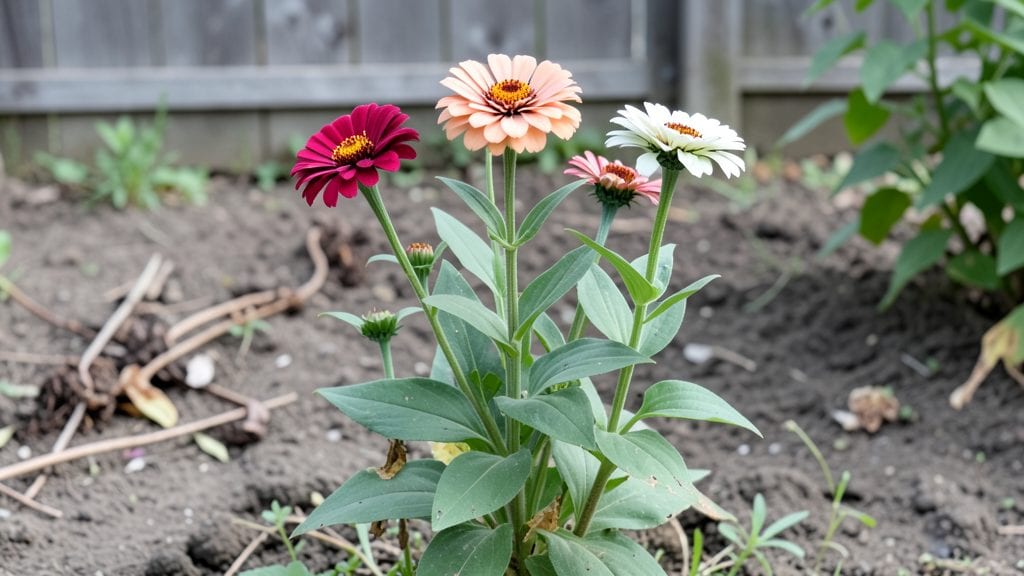
Gardening in Minnesota means choosing plants that shrug off -30°F winters like it’s nothing. 🌱 I’ve learned the hard way which perennials bounce back year after year—no fuss, no replanting—while others give up by May.
The key isn’t just picking hardy varieties; it’s matching them to Minnesota’s 120-day growing window and rocky, clay-heavy soil.
My go-to list includes coneflowers, black-eyed Susans, and Russian sage—they thrive in zones 3-5, handle drought once established, and bloom from midsummer until frost. Even my catmint survives winters under snow, popping up greener than ever in spring.
The trick is mulching thickly (4-6 inches) with straw or leaves to insulate roots.
You’ll end up with a garden that looks lush in July and still stands tall in October, while others in the neighborhood are scrambling to replant. These perennials also resist deer and rabbits—another Minnesota battle I’ve fought too many times. Once they’re planted, they’ll outlast you (and probably your lawnmower).
Local U of M Extension offices even offer soil tests for free—because Minnesota’s clay isn’t just stubborn, it’s sneaky. We’ll cover how to amend it without breaking the bank, plus the best pruning times to keep plants healthy through brutal winters. Let’s get those roots deep and resilient.
📚 In This Guide
- What you need
- Instructions
- Tips and common mistakes
- Wrapping up and next steps
What you need
- ● Zone-Resistant Perennials: 10-20 Coneflowers (Echinacea purpurea) (drought-tolerant, attracts pollinators)
- ● 5-10 Black-Eyed Susans (Rudbeckia hirta) (sun-loving, low-maintenance)
- ● 3-5 Russian Sage (Perovskia atriplicifolia) (drought-resistant, fragrant)
- ● 3-5 Catmint (Nepeta spp.) (deer-resistant, long blooming)
- ● 5-10 Daylilies (Hemerocallis spp.) (tough, colorful, and prolific)
- ● Soil Amendments: 50 lbs Compost (improves drainage and fertility)
- ● 20 lbs Peat Moss or Cocoa Peat (for acidic-loving plants)
- ● 1 bag Slow-Release Fertilizer (10-10-10) (spring feeding)
- ● Essential Tools: 1 Garden Trowel (for transplanting)
- ● 1 Pruners (bypass or anvil) (for shaping and maintenance)
- ● 1 Garden Fork (for aerating soil)
- ● 1 Wheelbarrow (for hauling materials)
- ● 1 Garden Gloves (protection from thorns and cold)
- ● 1 Watering Can or Hose with Adjustable Nozzle (gentle watering for new plants)
- ● Mulch (Straw or Wood Chips) – 2-3 inches to insulate roots in winter
- ● Plant Markers – For tracking perennials (especially in large gardens)
- ● Drip Irrigation System – Saves time and water (great for MN’s dry spells)
- ● Deer Repellent Spray – If local wildlife is a concern
- ● Season Extender (Frost Cloth) – For early/late-season protection
How to select and plant Zone-resistant perennials for Minnesota's climate
Minnesota’s Zone 3-5 winters demand plants that thrive despite freezing temperatures and short growing seasons.
🌱 Step 1: Choose Native or Cold-Hardy Perennials
Focus on plants that naturally thrive in Minnesota’s climate, like coneflowers, black-eyed Susans, or Russian sage. These species have evolved to withstand sub-zero temperatures and recover quickly in spring. I always check the USDA Plant Hardiness Zone Map to confirm a plant’s suitability—anything rated for Zone 4 or lower is a safe bet for most of the state.
Look for labels indicating cold-hardy varieties or drought-tolerant traits, as Minnesota’s hot summers and cold winters create extreme conditions. Avoid tropical perennials unless you’re growing them in containers that can be moved indoors during winter. For example, hostas (Zone 3) and daylilies (Zone 4) are classic choices that return year after year with minimal fuss.
☀️ Step 2: Prepare the Planting Site for Seasonal Shifts
Minnesota’s soil can be heavy and clay-like, so improve drainage by amending with 2-3 inches of compost or aged manure before planting. Work it into the top 6-8 inches of soil to create a loose, airy environment for roots. I like to test the soil’s pH—most perennials prefer a range of 6.0-7.0, and you can adjust with lime or sulfur if needed.
Choose a location with at least 6 hours of sunlight daily, though some shade-tolerant perennials like heuchera or astilbe can handle partial shade. Avoid low-lying areas where cold air settles, as this can cause frost damage even to hardy plants. A slight slope or raised bed helps prevent waterlogging, which can rot roots during spring thaws.
🪴 Step 3: Plant in Early Spring or Early Fall for Best Establishment
Timing is critical in Minnesota’s short growing season. Plant perennials in early spring (April-May) as soon as the ground is workable, or in early fall (September-October) to allow roots to establish before winter. Dig holes twice as wide as the root ball but only as deep as the container’s level—planting too deep can suffocate roots.
Space plants according to their mature size—crowding leads to competition for nutrients and increases disease risk. For example, coneflowers need 18-24 inches apart, while creeping thyme can be planted 12 inches apart for ground cover. Water deeply after planting to settle the soil and remove any air pockets around the roots. Mulch with 2-3 inches of organic mulch (like shredded bark) to insulate roots and retain moisture.
✂️ Step 4: Mulch and Protect Through Winter
After the first hard frost, add an extra 2-3 inches of mulch around perennials to shield roots from temperature swings. I use straw or shredded leaves because they break down slowly and provide insulation. Avoid piling mulch against stems, as this can trap moisture and cause rot. In late winter, rake back a portion of the mulch to check for signs of life—you’ll often see green shoots pushing through even under snow.
If you’re growing tender perennials in containers, move them to a sheltered spot (like a garage or unheated basement) before temperatures drop below 20°F. Group containers together and wrap them in bubble wrap or frost blankets for added protection. Most hardy perennials, however, will survive with just mulch and a little winter patience.
💧 Step 5: Water and Fertilize Strategically for Year-Round Health
Minnesota’s fluctuating weather means perennials need consistent moisture but not soggy soil. Water deeply 1-2 times per week during the growing season, aiming for 1 inch of water per week. In drought conditions, increase to 2-3 times per week and water in the early morning to reduce evaporation. You’ll know you’re watering correctly when the soil feels moist 2-3 inches down but isn’t pooling at the surface.
Fertilize in early spring with a balanced, slow-release fertilizer (like 10-10-10) to encourage new growth. Avoid heavy feeding in late summer, as this can stimulate tender shoots that won’t survive winter. Instead, focus on compost or organic amendments to improve soil health over time. By late fall, reduce watering but keep the soil slightly moist to help roots harden off for winter.
Tips & tricks for thriving Zone-resistant perennials in Minnesota
Minnesota's climate throws some serious challenges at gardeners, but these hardy perennials can handle the extremes with the right approach. Here's how to maximize their success in your landscape.
The Zone Factor: Always double-check the USDA Plant Hardiness Zone Map for your specific location—even within Minnesota, microclimates can vary significantly. For example, northern Minnesota's Zone 3 might handle hostas perfectly, while southern areas in Zone 5 could struggle with the same plant's winter survival. I've seen coneflowers thrive in Zone 4 gardens that would freeze out in colder microclimates just a few miles away.
Soil Preparation Strategy: When amending your heavy Minnesota clay soil with 2-3 inches of compost, don't just spread it on top. Work it into the top 6-8 inches to create proper root zones. I like to use a broadfork to loosen the soil without bringing up too much clay from deeper layers. This creates that crucial airy environment roots need to breathe, especially during our wet springs. For existing gardens, consider adding compost gradually over several seasons rather than all at once.
Timing is Everything: Those early spring (April-May) and early fall (September-October) planting windows are non-negotiable for Minnesota's short growing season. I've learned this the hard way—planting too early in spring can lead to frost damage, while waiting too long in fall gives roots insufficient time to establish before winter. For fall planting, aim to get perennials in the ground at least 6 weeks before your first hard frost. You'll know you've timed it right when you see those first green shoots pushing through snow in late winter.
Winter Protection Secrets: When adding that extra 2-3 inches of mulch after the first frost, consider using a mix of straw and shredded leaves for the best insulation. I've found that straw alone can compact too much, while leaves alone can mat down and create moisture issues. For container plants, don't wait until temperatures drop below 20°F—move them to shelter when nighttime temps consistently reach the mid-20s. Grouping containers together creates a microclimate that can add several degrees of protection.
Pro Tips for Gardening In Mn
- Minnesota's climate throws some serious challenges at gardeners, but these hardy perennials can handle the extremes with the right approach.
- The Zone Factor: Always double-check the USDA Plant Hardiness Zone Map for your specific location—even within Minnesota, microclimates can vary significantly.
- Soil Preparation Strategy: When amending your heavy Minnesota clay soil with 2-3 inches of compost, don't just spread it on top.
Frequently asked questions
Got questions about gardening in Minnesota’s unique climate?
You’re not alone! Here are answers to the most common queries from gardeners tackling the North Star State’s frosty challenges—plus tips to keep your perennials thriving year after year.
What are the best perennials for Minnesota’s Zone 3-5 winters?
Opt for hardy, cold-resistant plants like coneflowers, black-eyed Susans, Russian sage, and heucheras. These thrive in MN’s harsh winters (down to -30°F/-34°C) and bounce back strong in spring. Check the Minnesota Native Plant Society for localized recommendations!
When is the ideal planting time for perennials in Minnesota?
For spring planting, aim for early April to early May once soil is workable (test by squeezing—it should crumble, not stick). Fall planting works too (September to early October) to establish roots before winter. Avoid planting after the first frost—tender roots won’t survive!
How do I protect perennials from MN’s brutal winters?
Use mulch (3–4 inches of straw or shredded leaves) to insulate roots, and cover tender plants with burlap or frost blankets in late fall. For newly planted perennials, add a thick layer of evergreen boughs (like pine) to block wind. Never mulch too early—wait until ground freezes!
Can I grow vegetables in Minnesota’s short growing season?
Try fast-maturing veggies like bush beans, radishes, or kale (60+ days). Extend the season with cold frames or row covers for greens. For perennials, focus on asparagus, rhubarb, or strawberries—they’ll reward you for years with minimal winter care!
What pests should I watch for in MN gardens?
MN’s top culprits: Japanese beetles (skewer leaves!), slugs (love hostas!), and deer (munch perennials!). Use neem oil for beetles, beer traps for slugs, and deer-resistant plants (like lamb’s ear or lavender) to deter browsing. Local U of M Extension has great pest guides!
Wrapping up and next steps
Gardening in Minnesota doesn’t have to be a challenge—with the right zone-resistant perennials, you can create a thriving garden that survives (and even thrives!) through harsh winters.
From hardy lavender to resilient coneflowers, these plants prove that beauty and durability go hand in hand, even in Zone 3-5 climates. Whether you're a seasoned green thumb or just starting, now’s the perfect time to plant, plan, and prepare for a stunning seasonal display.
Ready to transform your yard? Start by gathering your supplies—then pick your top 3 perennials from our list and get planting! Your future garden (and future you) will thank you. 🌱✨