
Advice
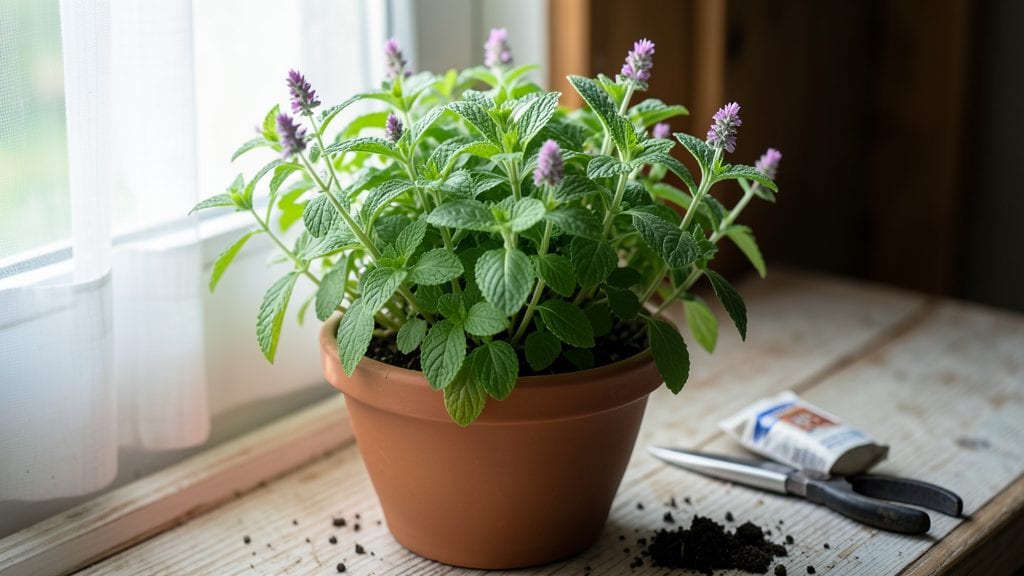
Here are mint gardening tips you won’t believe—start with cuttings, not seeds, and watch your shade garden explode with fragrant foliage in just 2-3 weeks by rooting a single stem in water. 🌱 The secret isn’t just speed, though; it’s controlling that spread so it doesn’t take over your yard.
Mint thrives in partial shade with moist, well-draining soil—think of it as the low-maintenance herb that actually wants to grow. Water it when the top inch feels dry, and pinch back stems regularly to keep it bushy.
This isn’t just for cooking; it’s the perfect border plant or container herb that smells amazing when you brush past it.
📚 In This Guide
- What you need
- Instructions
- Tips and common mistakes
- Wrapping up and next steps
What you need
- ● Mint plants: Start with organic, disease-free mint cuttings or nursery-grown plants (e.g., peppermint, spearmint, or chocolate mint). 3–5 plants are ideal for a small garden.
- ● Containers or garden space: Containers: 10–12-inch deep pots (1 per plant to contain roots) with drainage holes. Terracotta or fabric grow bags work best.
- ● Garden beds: A 6-inch deep, well-drained area in partial to full shade (4+ hours of indirect light daily).
- ● Potting mix: 1 bag (5–10 gallons) of well-draining, peat-based or coco coir mix (avoid heavy garden soil).
- ● Fertilizer: Balanced organic fertilizer (e.g., 10-10-10) or compost (mix 1 cup per 5 gallons of soil).
- ● Tools: Trowel or small shovel
- ● Pruning shears (for trimming)
- ○ Garden gloves (optional but recommended!)
- ● Mulch: Straw or wood chips to retain moisture and suppress weeds.
- ● Drip irrigation or spray bottle: Mint loves consistent moisture—keep soil evenly damp.
- ● Companion plants: Try thyme, oregano, or basil in separate containers to deter mint’s aggressive spread.
- ● Plant markers: Label varieties if growing multiple types (mint can hybridize!).
Step-by-step instructions for growing mint in containers
Here's how to grow vigorous, fast-spreading mint without taking over your garden.
🪴 Step 1: Choose Containers with Deep Roots in Mind
Mint thrives in 12-inch deep containers—its roots spread aggressively, so shallow pots lead to root-bound frustration. I use heavy ceramic or plastic pots because mint's rapid growth can tip lightweight containers. Each pot should have 3-4 drainage holes to prevent soggy roots.
Line the bottom with 1 inch of gravel or broken pottery shards to improve drainage. This prevents waterlogging, which causes root rot. If you're using the 4 containers from your supplies, place them in a sunny spot now—they'll stay put once mint fills them.
🌱 Step 2: Plant Mint Cuttings or Divided Roots
Start with 4-6 inch mint cuttings or small root divisions from an existing plant. Remove the lower leaves to expose the stem, then dip the cut end in rooting hormone (optional but helpful for faster growth). Plant each cutting 2-3 inches deep in moist potting mix.
Press the soil gently around the stem to eliminate air pockets. Water immediately after planting until moisture seeps from the drainage holes—this ensures good root-to-soil contact. I like to add 1 tablespoon of slow-release fertilizer to each pot now, so the mint has nutrients from day one.
💧 Step 3: Water Consistently Without Drowning
Mint loves moisture but hates soggy soil. Water when the top inch of soil feels dry—usually every 2-3 days in warm weather. I check by sticking my finger in; if it comes out clean, it's time to water. Use room-temperature water to avoid shocking the roots.
Mulch with 1 inch of organic mulch (like shredded bark) to retain moisture and prevent weeds. This keeps the soil cool and reduces evaporation. Avoid overwatering—yellowing leaves mean you're drowning the roots, while crispy edges signal thirst.
☀️ Step 4: Provide Partial Shade for Best Growth
Mint grows well in morning sun with afternoon shade—ideal for shady patios or north-facing windows. If your mint starts stretching toward light, it needs more shade. I place mine under a 50% shade cloth in hot afternoons to prevent leaf scorch.
Rotate the pots a quarter turn weekly so the plant grows evenly. You'll notice new growth toward the light—this is normal, but too much sun turns leaves yellow and crispy. Harvest leaves from the top to encourage bushier growth.
✂️ Step 5: Prune and Harvest Regularly
Pinch back the tips of new growth when stems reach 4-6 inches tall to encourage bushier plants. This prevents leggy growth and keeps mint compact. Harvest leaves in the morning after dew dries—this ensures the strongest flavor.
To harvest, snip stems just above a leaf node (where leaves meet the stem). Regular pruning keeps mint from becoming woody and encourages fresh, tender growth. You'll have usable leaves in as little as 4-6 weeks—much faster than many herbs!
Tips & tricks for fast mint growth in containers
Fast, lush mint doesn't have to mean garden chaos—these simple tricks will help you grow vibrant plants that stay contained while delivering the freshest flavor in record time.
Container Depth Matters: Those 12-inch deep containers aren't just a suggestion—they're essential for mint's aggressive roots. I've seen shallow pots (under 8 inches) lead to root-bound frustration within weeks. If you're limited on space, choose the deepest containers available, even if it means using fewer pots. The extra depth gives roots room to spread without circling, which keeps your mint vigorous and healthy.
Rooting Hormone Hack: While the instructions call rooting hormone "optional," I've found it cuts rooting time by nearly half. Simply dip your 4-6 inch cuttings in powdered hormone before planting, then water thoroughly. You'll see roots forming in just 7-10 days instead of the usual 2-3 weeks. For even faster results, use a small plastic bag to create a humidity dome over each cutting until roots appear.
Soil Temperature Secret: Mint roots thrive in soil that stays between 60-70°F. If your containers are on cold patio surfaces, place them on bricks or pot feet to keep roots warm. Cold soil slows growth dramatically—you'll notice new leaves appearing within days when roots stay in this ideal range. In chilly climates, bring containers indoors during winter months to prevent dormancy.
Harvesting Timing: Those 4-6 weeks to first harvest can feel like forever, but there's a trick to speed it up. After planting, give your mint a light trim when stems reach just 3 inches tall—this might seem early, but it forces the plant to branch out instead of growing tall. You'll actually get your first usable leaves about 2 weeks sooner than waiting for the full 4-6 inches, and the plant will stay bushier throughout its life.
Pro Tips for Mint Gardening Tips
- Fast, lush mint doesn't have to mean garden chaos—these simple tricks will help you grow vibrant plants that stay contained while delivering the freshest flavor in record time.
- Container Depth Matters: Those 12-inch deep containers aren't just a suggestion—they're essential for mint's aggressive roots.
- Rooting Hormone Hack: While the instructions call rooting hormone "optional," I've found it cuts rooting time by nearly half.
Frequently asked questions
Got questions about growing mint? You’re not alone—this fast-spreading herb can be tricky! Here are answers to the most common concerns to help you cultivate a thriving mint garden with ease.
How fast does mint grow, and how do I control its spread?
Mint is a runaway train—it can spread aggressively via underground runners! To keep it in check, plant it in containers (like pots with drainage) or dedicated beds with buried barriers (e.g., plastic or metal edges). Prune regularly to encourage bushier growth and prevent it from overtaking your garden. Pro tip: Harvest often to redirect its energy into leaves instead of roots!
When is the best time to plant mint?
Mint thrives in spring or early summer when soil temperatures are warm (around 60–70°F). Avoid planting in late summer or fall—it may struggle to establish roots before winter. If you’re in a mild climate, you can also plant in early fall, but protect it from frost. Bonus: Start seeds indoors 4–6 weeks before your last frost for a head start!
Can I grow mint indoors, and what care does it need?
Mint loves bright, indirect light (a sunny windowsill or grow light works). Use a pot with drainage and well-draining soil. Water when the top inch is dry, and fertilize lightly every 4–6 weeks with a balanced herb fertilizer. Watch out: Overwatering causes root rot—let it dry slightly between waterings!
Why is my mint turning yellow, and how do I fix it?
Yellowing leaves often mean overwatering, poor drainage, or pests. Check for root rot (soggy soil) or aphids (tiny green bugs). Adjust watering, repot if needed, and spray with neem oil or insecticidal soap for pests. Too much shade? Move it to a sunnier spot (mint tolerates shade but grows best with 4–6 hours of light).
What other herbs pair well with mint in the same pot?
Mint’s aggressive roots can outcompete most herbs, but it plays nicely with thyme, oregano, or lavender—all of which have similar care needs. Avoid planting with basil or parsley (mint can stunt their growth). For a safe combo, try mint with chives or lemon balm in separate containers nearby!
Wrapping up and next steps
Growing mint is a rewarding journey—whether you’re chasing fresh flavors, natural remedies, or just the joy of nurturing a fast-spreading perennial! 🌿 With the right shade, soil, and a little patience, you’ll soon have lush, fragrant plants ready to elevate your tea, cocktails, or homemade remedies. Start small, stay consistent, and don’t hesitate to share your harvest with friends!
Ready to dive deeper? Try experimenting with different mint varieties or explore creative ways to use your harvest—like making infused oils or homemade skincare. Your green thumb is about to shine brighter than ever!