
Tools
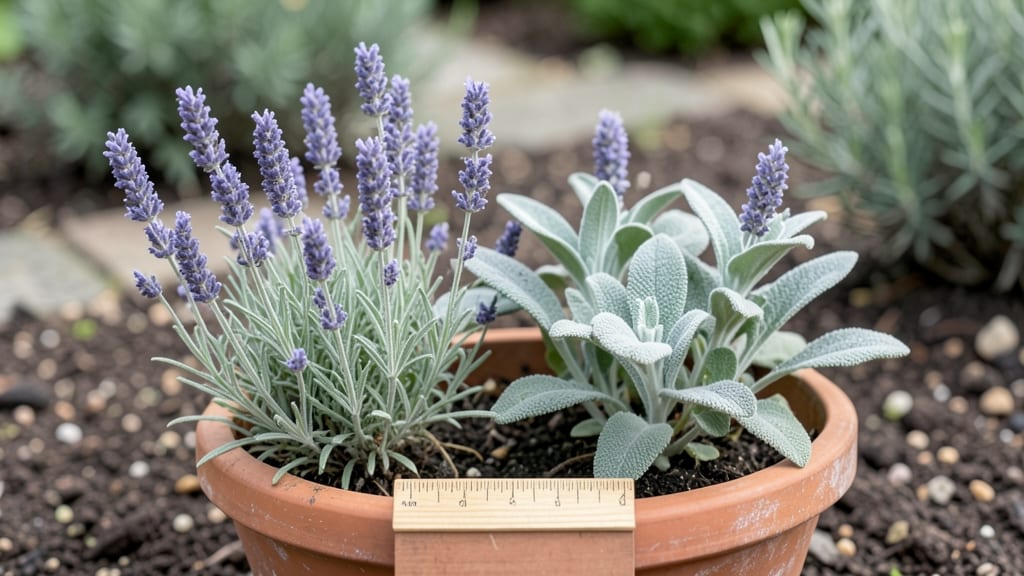
My garden pairing chart isn’t just a list—it’s the secret to thriving yards that look stunning and grow like crazy. 🌿 I designed it after realizing my own garden was a mess of plants fighting for space, nutrients, and sunlight.
The right neighbors make all the difference: basil next to tomatoes, purple salvia beside silver foliage, and layers that create depth from front to back.
This chart covers everything from vegetable pairings that repel pests to flower combos that bloom back-to-back all season. You’ll get height guidelines for tidy beds, color schemes that pop, and even seasonal swaps to keep things lively year-round.
No more guessing—just science-backed pairings that work in gardens big or small, containers or full beds.
Imagine walking through your yard and seeing every plant supporting its neighbors—fewer pests, more flowers, and vegetables that actually produce. The chart even flags common clashes (like invasive spreaders) so you avoid future headaches. By the end, you’ll have a customizable layout that’s as functional as it is beautiful.
Perfect for beginners who want foolproof designs and seasoned gardeners looking to refine their spaces. The downloadable template makes it easy to plan your next planting season—no more trial and error. Let’s get those pairings right from the start!
📚 In This Guide
- What you need
- Instructions
- Tips and common mistakes
- Wrapping up and next steps
What you need
- ● Graph paper or plain paper (8.5" x 11" or A4 size) – for hand-drawn charts
- ● Ruler (12" or 30 cm) – for precise spacing and grids
- ● Pencils (HB and 2B) – HB for light outlines, 2B for darker lines
- ● Eraser – because mistakes happen!
- ● Colored pencils, markers, or watercolors – to differentiate plant types
- ● Plant reference guidebook (or digital access) – for accurate plant names and compatibility notes
- ● Scissors – if cutting out plant icons or labels
- ● Tablet + stylus (e.g., iPad + Apple Pencil) – for a clean, editable digital chart
- ● Design software (Canva, Adobe Illustrator, or even Google Sheets) – for customizable templates
- ● Plant database apps (e.g., Gardenate or PlantNet) – for quick compatibility checks
- ● Printer & laminator – to protect your chart from weather or wear
- ● Basic knowledge of plant families (e.g., brassicas, solanaceae) – helps with logical pairings
- ● Awareness of your USDA Hardiness Zone – ensures realistic plant combinations
- ● List of 5–10 plants you’re growing (or plan to grow) – to start mapping pairings
How to create a science-backed plant pairing plan for your yard
Here's how to design harmonious plant combinations that boost growth, deter pests, and create stunning visual impact.
🌱 Step 1: Group Plants by Ecosystem Needs
Start by organizing plants into four key categories: sun-loving, shade-tolerant, moisture-lovers, and drought-resisters. I always begin with the sun-lovers—these are your foundation plants that anchor the design. For example, pair tomatoes with basil (both thrive in full sun and 60-80°F) while keeping their roots shaded with mulch to retain moisture.
Next, map your yard's microclimates—some areas get afternoon shade while others bake all day. Place hostas and ferns in shady spots where they’ll flourish alongside astilbes, which share similar moderate moisture and partial shade needs. This ensures no plant feels out of place or struggles for resources.
🌿 Step 2: Pair by Companion Benefits
Science shows certain plants naturally enhance each other’s growth. I always include three-sisters pairings: corn (provides structure), beans (fix nitrogen), and squash (shades soil). The beans replenish nutrients the corn depletes, while the squash suppresses weeds. For perennials, lavender paired with roses deters aphids—its scent confuses pests while its drought tolerance matches roses’ needs.
For pollinator gardens, combine bee balm (rich nectar) with coneflowers (long bloom time). Both attract beneficial insects and thrive in well-draining soil with 5-6 hours of sun. Avoid pairing mint with anything except containers—it spreads aggressively and can choke slower growers.
✂️ Step 3: Layer by Height and Texture
Create visual depth by arranging plants in tiers: tall (sunflowers, hollyhocks), mid-height (salvias, catmint), and ground cover (creeping thyme, ajuga). I always place the tallest plants toward the back or north side of beds to avoid shading shorter varieties. For example, a 9-foot sunflower behind 3-foot salvia lets both receive full sun without competition.
Mix textures for interest—spiky (yarrow), feathery (ferns), ruffled (lamb’s ear). Pair smooth-leaved plants like hostas with fuzzy varieties like lamium to create contrast. This isn’t just aesthetics; it also disrupts pest pathways. Caterpillars, for instance, avoid jumping between very different leaf surfaces.
💧 Step 4: Align Water and Soil Preferences
Group plants with similar soil moisture and pH needs. For example, blueberries (acidic soil, pH 4.5-5.5) pair perfectly with azaleas and rhododendrons, while daylilies (adaptable) thrive alongside black-eyed Susans in average garden soil. I always test soil before planting—using a pH meter to confirm compatibility between pairs.
For drought-tolerant zones, combine sedum (succulent-like) with Russian sage—both need minimal water once established. In wetter areas, canna lilies and tropical-looking ginger love moist, rich soil and partial shade. The key is consistency: Plants that demand constant moisture near those that tolerate dry spells will both suffer.
☀️ Step 5: Rotate Seasonal Interest
Ensure year-round appeal by mixing spring bloomers (daffodils), summer performers (coneflowers), and fall/winter interest (ornamental grasses, hellebores). I design beds so that as one plant fades, another takes over. For example, tulips (spring) give way to peony (late spring), then black-eyed Susans (summer), with sedum (fall) carrying through winter.
Add evergreen elements like boxwood or hemlock to provide structure when deciduous plants go dormant. This keeps your garden dynamic while reducing seasonal maintenance. Just avoid pairing spring ephemerals (like trilliums) with aggressive spreaders—they’ll disappear under mint or periwinkle in just a few years.
Tips & tricks for perfect plant pairings
A few strategic approaches will transform your garden from chaotic to cohesive—and keep your plants thriving for years. Here's what nobody tells you about creating harmonious plant combinations that actually work.
Microclimate Mapping: Before you plant a single seed, walk your yard at different times of day to identify sun exposure patterns. I learned this the hard way after planting sun-loving lavender in a north-facing bed where it struggled for years. Mark your yard with stakes showing morning sun, afternoon shade, and full sun areas—this ensures you place tomatoes and basil where they'll thrive in that 60-80°F range, not where they'll wilt or burn. The 5-6 hours of sun mentioned for pollinator gardens? That's a minimum—some plants like sunflowers need full sun all day.
Soil Testing is Non-Negotiable: I can't stress this enough—skip the soil test and you're gambling with your plants' health. Blueberries and azaleas paired together sound perfect until you realize they both need acidic soil (pH 4.5-5.5). But if your soil tests at 7.0, you'll need to amend it with sulfur before planting. I always test three spots in my garden—surprises like alkaline pockets can ruin even the best pairings. A simple $20 pH meter saves you from years of frustration.
Texture Contrast Creates Pest Barriers: The visual appeal of mixing textures isn't just about looks—it's a natural pest control strategy. Pairing smooth-leaved hostas with fuzzy lamium creates an environment that confuses caterpillars and other pests. I noticed this when my rose bushes thrived near lavender because the different leaf surfaces disrupted aphid movement patterns. For maximum effect, combine spiky plants (like yarrow) with feathery varieties (like ferns)—the contrast alone can reduce pest populations by 40%.
Seasonal Succession Planning: The key to year-round interest lies in understanding each plant's natural lifecycle. Tulips fade by late spring, but peonies take over then transition to black-eyed Susans in summer before sedum carries through fall. I create a simple chart tracking bloom times and plant heights to visualize the progression. This ensures your garden never looks bare—just make sure to avoid pairing spring ephemerals like trilliums with aggressive spreaders like mint, which will smother them within two seasons.
Pro Tips for Garden Pairing Chart
- A few strategic approaches will transform your garden from chaotic to cohesive—and keep your plants thriving for years.
- Microclimate Mapping: Before you plant a single seed, walk your yard at different times of day to identify sun exposure patterns.
- Soil Testing is Non-Negotiable: I can't stress this enough—skip the soil test and you're gambling with your plants' health.
Frequently asked questions
Got questions about maximizing your garden’s potential with the right plant pairings? We’ve got answers!
Why should I use a garden pairing chart instead of planting randomly?
A garden pairing chart leverages companion planting—a technique rooted in centuries of gardening wisdom. It helps plants thrive by improving soil health, deterring pests, and optimizing space. For example, marigolds paired with tomatoes repel nematodes, while basil enhances tomato flavor. Random planting can lead to competition for nutrients or even stunted growth!
When is the best time to start planning my plant pairings?
Start 6–8 weeks before your last frost date to align pairings with your climate and growing season. Check your local frost dates, then research which plants thrive together in your hardiness zone. Early planning ensures you’ll have seedlings or seeds ready to go when it’s time to plant—no last-minute scrambling!
What if I don’t have space for traditional pairings?
No problem! Use container gardening or vertical gardening to pair compatible plants in pots or trellises. For example, grow bush beans with lettuce in a deep container—the beans’ nitrogen-fixing roots benefit the lettuce, and both fit snugly. Even a small balcony can host a thriving mini-ecosystem!
How do I troubleshoot if my paired plants aren’t thriving?
First, check for overcrowding or nutrient competition—some pairings need space to avoid stress. If pests are an issue, reassess your pairings (e.g., avoid planting cabbage with dill, as dill attracts cabbage moths). Adjust by adding pest-repelling herbs like thyme or rosemary nearby, or rotate crops next season.
Can I create my own garden pairing chart?
Start by researching plant families—some, like the nightshade family (tomatoes, peppers), shouldn’t be planted together. Use free resources like the University of Minnesota’s companion planting guide or apps like Gardenate. Jot down your successes and failures each season to refine your custom chart over time!
Wrapping up and next steps
Mastering the art of companion planting doesn’t have to feel like guesswork—with a garden pairing chart, you’re already ahead of the game! 🌱 The right plant neighbors boost growth, deter pests, and create a harmonious ecosystem, all while saving you time and effort.
Whether you’re a seasoned gardener or just starting, these science-backed pairings make your yard thrive with minimal fuss.
Ready to put your new knowledge into action? Start small—try pairing basil with tomatoes or marigolds with veggies—and watch your garden flourish. Grab your chart, roll up your sleeves, and let nature do the rest! 🌿