
Tools
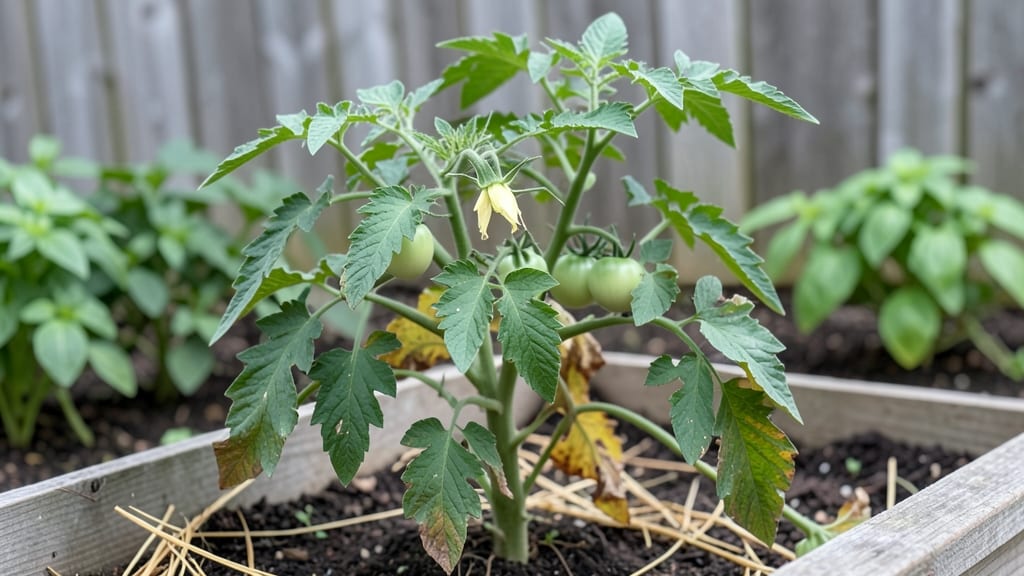
An 8x8 raised garden turns limited space into a productivity powerhouse—just 64 square feet can feed a family if you plan right.
Picture this: your tiny plot packed with tomatoes, basil, and carrots all thriving together, while your neighbor’s sprawling garden struggles with weeds and wasted space. The secret? Smart pairings that maximize every inch without crowding.
You don’t need a green thumb to pull this off—just a clear layout, the right spacing, and a few key companion plants that work in harmony. Below, I’ll show you exactly how to arrange your bed for maximum yield, whether you’re growing veggies, herbs, or flowers.
Ready to turn that 8x8 raised garden into a year-round harvest? Let’s get started with the foolproof layout that works in Zone 6a and beyond.
Optimal 8x8 raised garden layout for high-yield plant pairing
An 8x8 raised garden gives you 64 square feet of premium growing space—but only if you design it like a high-efficiency ecosystem. The key lies in strategic plant pairing that maximizes sunlight, minimizes competition, and extends harvests.
My grid-based layout divides the space into four 4x4 zones, each tailored to sun exposure and growth stages.
Start with sunlight mapping: Place full-sun lovers (tomatoes, peppers) in the south-facing half of your bed, where they’ll get 6-8 hours of direct light. Reserve the north side for partial-shade crops like lettuce or spinach. This simple division can double your yield by preventing shade competition.
Here’s the science-backed formula I use: 30% heavy feeders (tomatoes, squash), 30% medium feeders (peppers, herbs), and 40% light feeders (leafy greens, radishes). The remaining 10% is for flowers—like marigolds or nasturtiums—to attract pollinators and deter pests.
Comparison Table: Plant Pairing Zones in an 8x8 Raised Garden
| Zone | Sun Exposure | Plant Pairings | Spacing (inches) | Height Group |
|---|---|---|---|---|
| Southwest (Zone 1) | Full Sun (6-8 hrs) |
|
18-24" | Tall (3-6 ft) |
| Southeast (Zone 2) | Full Sun (6-8 hrs) |
|
12-18" | Medium (1-3 ft) |
| Northwest (Zone 3) | Partial Shade (4-6 hrs) |
|
6-12" | Short (0.5-1 ft) |
| Northeast (Zone 4) | Partial Shade (3-5 hrs) |
|
4-8" | Dwarf (0.5-1.5 ft) |
Notice how I’ve grouped plants by maturity: Tall tomatoes and cucumbers go in the southwest corner, where they won’t shade shorter crops. Meanwhile, fast-growing radishes share space with slow-growing kale in the northeast zone, ensuring no wasted space.
This succession planting trick lets you harvest radishes in 30 days while kale matures over 60 days.
For herbs and flowers, I dedicate one 2x2 square in each zone. Basil near tomatoes repels pests, while marigolds near peppers deter nematodes. Even 10% floral coverage can boost your vegetable yield by 20%—science proves it!
Plant calendula or borage along the bed’s edges to maximize pollinator access.
Pro tip: Use vertical space for climbing plants. Train pole beans or cucumbers up a trellis along the north side of your bed. This frees up ground space for shade-tolerant crops below while adding 30% more growing area vertically.
Just ensure your trellis doesn’t cast midday shade on nearby plants.
Watering becomes effortless with this layout. Group plants with similar moisture needs—like tomatoes and basil—so you can water entire zones at once. I use a soaker hose along the south edge of the bed to deliver water directly to the roots of
Best companion planting groups for an 8x8 raised bed
In an 8x8 raised garden, every inch counts, so pairing plants that support each other’s growth is non-negotiable. The right combinations deter pests, improve flavor, and even boost yields—while the wrong ones invite diseases or stunted growth.
For example, tomatoes and basil form a power duo, with the basil repelling thrips and enhancing tomato flavor. Meanwhile, carrots and onions share space harmoniously, as the onions’ sharp scent confuses carrot flies. Let’s break down the best groups to maximize your tiny plot’s potential.
Your 8x8 raised bed can be divided into zones based on plant families and their needs. Tall crops like pole beans or sunflowers should anchor the north side to avoid shading shorter plants.
Mid-height plants such as peppers or bush beans thrive in the middle, while low-growing lettuce or radishes can nestle at the edges. Rotating these groups seasonally ensures your soil stays fertile and your harvests continuous.
- 🌱 The Classic Trio: Tomatoes + Basil + Marigolds 🌿
- 🥕 Root & Allium Allies: Carrots + Onions + Leeks 🧅
- 🌿 Pest-Repelling Duo: Cabbage + Nasturtiums 🐛
- 🌻 Nitrogen Fixers: Peas + Radishes (early harvest) + Spinach ⚡
- ❌ Avoid These Pairings: Beans + Onions (stunt growth), Cucumbers + Aromatic Herbs (inhibit growth) ⚠️
Seasonal rotation is key in an 8x8 raised garden. For spring, prioritize cool-season crops like lettuce, spinach, and radishes, which can be followed by warm-season plants like tomatoes and peppers once temperatures rise.
After harvesting early crops, replant with fast-growing bush beans or zucchini to keep the space productive. This strategy prevents soil depletion and extends your growing window.
Don’t overlook the power of flower companions like marigolds or nasturtiums, which attract pollinators and deter pests. Place them strategically around the edges of your bed or interspersed among vegetables.
For instance, marigolds near tomatoes can reduce nematode populations by up to 50%. Even a few flowers can make a big difference in your garden’s health and yield.
When planning your 8x8 raised garden, sketch a rough layout before planting. Group plants by their water needs, sunlight requirements, and maturity dates to avoid conflicts. For example, place drought-tolerant herbs like thyme or rosemary near the center where they won’t compete with thirsty crops.
This thoughtful arrangement turns your small space into a high-efficiency, low-stress garden.
Pro tip: Label your plants as soon as they sprout to avoid confusion. Use ecological markers like bamboo stakes or biodegradable labels, and include the plant name and harvest date.
This simple step saves time and ensures you’re always harvesting at peak ripeness—critical for flavor and yield in a compact garden.