
Fertilization
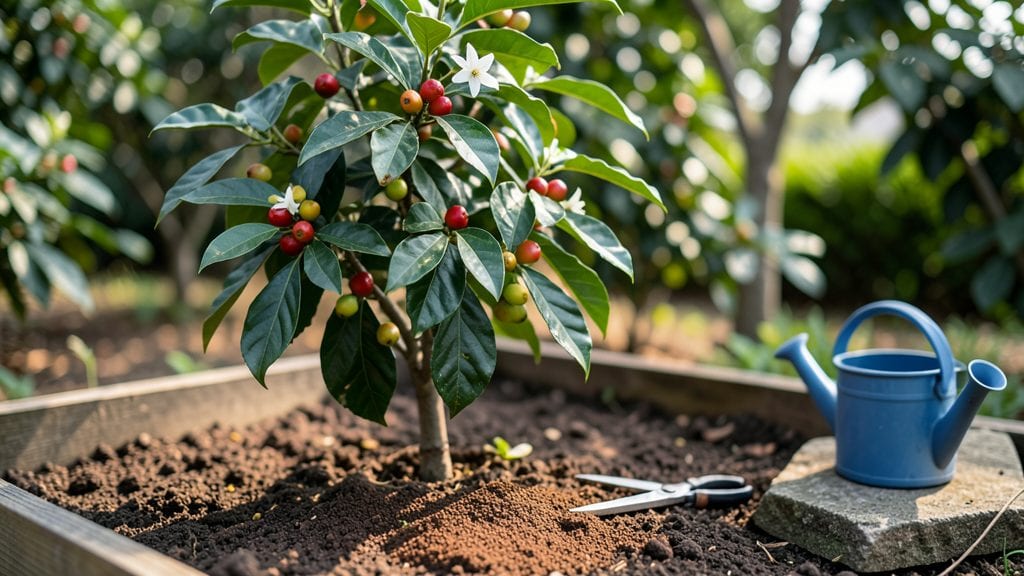
Using coffee grinds in your garden boosts soil fertility by enriching it with nitrogen and organic material while naturally deterring pests like slugs and snails. Apply them lightly (1-2 inches) around acid-loving plants such as blueberries or azaleas, then work them into the topsoil. Too much can compact soil or promote mold, so use them judiciously.
Coffee grounds act as a natural fertilizer because they’re rich in nitrogen—a key nutrient plants need for lush growth. 🌱 When mixed into the soil, they also encourage beneficial microbial activity, breaking down into compost over time.
This makes them especially useful for acid-loving plants like hydrangeas or rhododendrons, where they help maintain the right pH balance. Just remember: fresh grounds can draw moisture away from plants, so composting them first is often better for long-term benefits.
For best results, I recommend sprinkling used grounds around the base of plants or mixing them into compost piles. A little goes a long way—too much can create a thick layer that suffocates roots or attracts pests. Think of them as a supplement rather than a replacement for balanced fertilization.
💡 In This Article
- How Coffee Grounds Boost Soil Health
- Best Ways to Apply Coffee Grounds in Your Garden
How coffee grounds boost soil health
Coffee grounds work their magic primarily through their nitrogen content—about 2% by weight, which is roughly 10 times more than mature compost. This nitrogen feeds soil microbes, which break down the organic matter into simpler compounds plants can absorb.
The decomposition process also releases phosphorus and potassium, though in smaller amounts. What’s fascinating is how the grounds act as a slow-release fertilizer: they don’t dissolve quickly like synthetic fertilizers, so nutrients become available over weeks or months rather than all at once.
The pH impact is another key factor. Fresh coffee grounds are acidic (pH ~6.2-6.8), but as they decompose, they neutralize slightly—usually raising soil pH by 0.5-1.0 points over time.
This makes them ideal for acid-loving plants like blueberries (ideal pH 4.5-5.5), azaleas (5.0-6.0), and hydrangeas (5.5-6.2). For neutral-soil plants like tomatoes or peppers, use them sparingly to avoid over-acidification.
The grounds also repel pests like slugs and snails because their coarse texture disrupts the slimy trails these creatures use to move, while their caffeine content (about 1-2% by weight) acts as a natural deterrent.
Microbes play a starring role here. The grounds provide both food and habitat for beneficial bacteria and fungi, which in turn help break down the organic matter further. This microbial activity improves soil structure by creating stable aggregates that hold moisture and air—critical for root health.
For example, a 1-cup application of grounds can increase soil microbial biomass by up to 30% within 4-6 weeks, depending on moisture and temperature conditions. The texture of the grounds also matters: finer grinds decompose faster but may compact soil, while coarser grounds take longer but improve aeration.
What most gardeners don’t realize is how timing affects effectiveness. Fresh grounds should never be applied directly to soil—they can draw moisture away from plant roots through a process called "osmotic pull," temporarily dehydrating nearby plants.
Instead, compost them first (takes 2-4 months) or mix them into compost piles where they’ll break down safely. For immediate benefits, use them as a mulch layer (1/2-inch thick)**—this prevents moisture loss while slowly releasing nutrients.
The benefits typically last 3-6 months for mulch applications and up to 12 months when fully composted into the soil.
One common misconception is that all plants benefit equally. While coffee grounds are great for acid-lovers, they’re less ideal for alkaline-tolerant plants like lavender or rosemary, which prefer pH 7.0-8.0.
Overuse can also create a thick, mat-like layer that blocks oxygen and water from reaching roots—a problem I’ve seen in raised beds where gardeners pile grounds too deeply. The solution? Balance them with other organic amendments like wood ash (to raise pH) or well-rotted manure (for broader nutrient support).
For a real-world example, consider my blueberry bushes: I mix 1/2 cup of composted grounds per plant annually in early spring. The result? Brighter foliage, larger berries, and fewer slug issues—all without synthetic chemicals. The key is moderation and preparation. 🌱