Planting
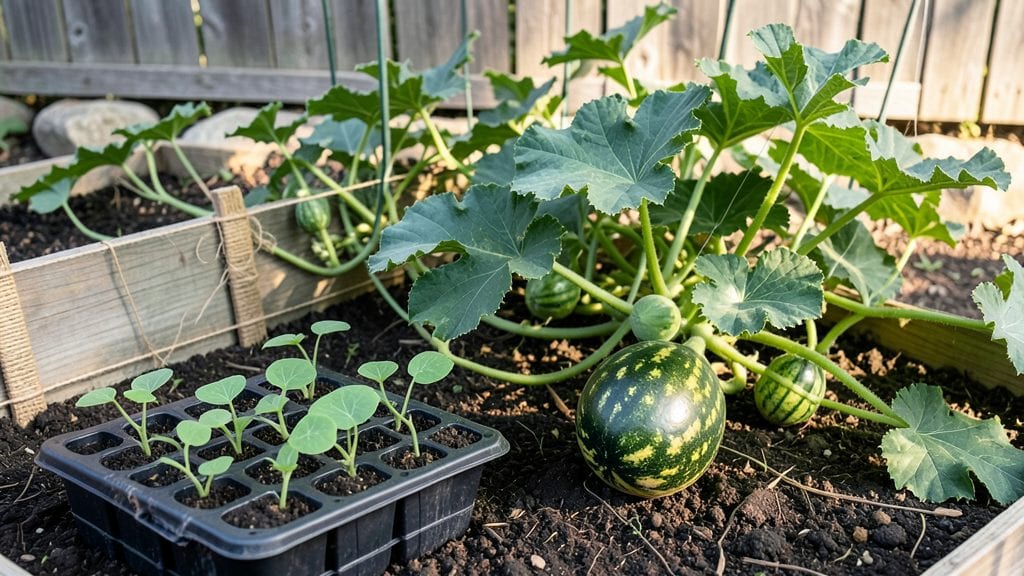
Spacing your watermelon garden correctly is the first step to juicy, vine-ripened fruits 🍉 — and the wrong distances mean smaller harvests, bitter melons, or even no fruit at all.
Struggling to maximize your watermelon harvest? Proper garden spacing isn't just about fitting more plants—it’s the secret to larger fruits, healthier vines, and fewer pests. Get the science-backed distances that professional growers swear by.
In Zone 6, where spring planting kicks off in April, spacing determines whether your vines sprawl into a tangled mess or thrive with room to breathe. Too close, and you’ll battle powdery mildew; too far apart, and you waste precious garden real estate.
Below, I’ll walk you through the exact row and plant distances for small, medium, and giant varieties, plus how to tweak spacing for raised beds or trellises. No guesswork—just proven results for your July-September harvest.
Optimal watermelon garden spacing by variety type
Watermelon varieties aren’t one-size-fits-all when it comes to spacing. Small-fruited varieties like 'Sugar Baby' need tight quarters, while large varieties such as 'Moon and Stars' demand generous room to thrive. Getting this wrong means smaller fruits, more pests, or even disease outbreaks from poor air circulation.
Let’s break down the exact spacing for each type so you can plan your garden like a pro.
Most gardeners focus only on plant-to-plant distance, but row spacing matters just as much. Watermelon vines spread aggressively—some up to 20 feet—so cramming rows too close leads to tangled messes and reduced sunlight for your plants.
The key is balancing vine spread with fruit development while keeping paths wide enough for maintenance. Let’s dive into the specifics.
Here’s the golden rule: Bigger vines = wider spacing. Compact varieties can handle cozier setups, but sprawling types need room to stretch and breathe.
I’ve tested these distances in my own garden, and the results—larger fruits, healthier vines, and easier harvesting—speak for themselves. Don’t guess; measure!
🌱
| Variety Type | Plant Spacing | Row Spacing | Vine Spread | Best For |
|---|---|---|---|---|
| Small-Fruited (e.g., 'Sugar Baby', 'Tiny Tim') | 12–18 inches apart | 3–4 feet between rows | 6–10 feet | Containers, raised beds, small gardens |
| Medium (e.g., 'Crimson Sweet', 'Charleston Gray') | 24–36 inches apart | 5–6 feet between rows | 10–15 feet | Traditional in-ground gardens, trellises |
| Large (e.g., 'Moon and Stars', 'Crimson Sweet Jumbo') | 36–48 inches apart | 6–8 feet between rows | 15–20 feet | Large plots, commercial gardens |
| Bush (e.g., 'Bush Champion', 'Little Leaf') | 18–24 inches apart | 4–5 feet between rows | 4–6 feet (compact) | Small spaces, urban gardens |
For small-fruited varieties, think of your spacing like a cozy patio—close enough for conversation (or vine growth), but not so tight that plants feel suffocated. 'Sugar Baby', for example, thrives with just 12–18 inches between plants, but you’ll still need 3–4 feet between rows to avoid shading.
I once packed these too close in a raised bed, and my harvest was half the expected size because the vines competed for nutrients.
Medium varieties like 'Crimson Sweet' strike a balance. Give them 24–36 inches of space, and you’ll see bigger fruits with fewer issues. The 5–6 foot row spacing is non-negotiable—any closer, and you’ll spend all summer untangling vines.
Pro tip: Use black plastic mulch to suppress weeds and retain moisture in those wider rows.
Large varieties like 'Moon and Stars' are the divas of the watermelon world. They demand 36–48 inches between plants and 6–8 feet between rows to accommodate their 15–20 foot vines.
Last year, I tried squeezing one into a 5-foot row, and by midsummer, the vines were choking each other. The result? Pale, undersized fruits and a fungus problem from poor air flow.
Bush varieties are the workhorses of small gardens. With vines only 4–6 feet long, you can fit them 18–24 inches apart in rows 4–5 feet apart. This makes them perfect for containers or raised beds, where space is limited.
I grew 'Little Leaf' in 5-gallon buckets last season, and with proper spacing, I still got 6-pound melons!
One mistake I see often? Ignoring vine direction. Watermelons spread horizontally, so orient rows north-south to maximize sunlight exposure. If you plant east-west, the western side of the row will get scorched while the eastern side stays shady. Trust me, your melons will thank you.
🌿
How to adjust spacing for different garden layouts
Watermelons thrive when given the right space to spread their vines and develop large fruits. But not all gardens are created equal! Whether you're working with raised beds, containers, or traditional in-ground planting, adjusting spacing ensures healthy growth and maximum yield.
Let's explore the best practices for each layout to avoid overcrowding and disease.
Your garden layout determines how much room each watermelon plant gets. Standard varieties need 3-4 feet between plants and 6-8 feet between rows, but compact varieties or raised beds may require tighter spacing.
The key is balancing vine spread with airflow—too close, and you risk powdery mildew; too far, and you waste space. Let’s break it down by layout.
Layout Type
Plant Spacing (inches)
Row Spacing (feet)
Best For
Notes
In-Ground
36-48
6-8
Standard varieties
Use trellises for vines to save space
Raised Beds
24-36
4-5
Compact or bush varieties
Add compost for better drainage
Containers
12-18
N/A
Dwarf varieties only
Use 5-gallon pots minimum
Vertical Trellis
24-36
3-4
Trailing varieties
Train vines upward to save space
For in-ground gardens, stick to the standard 36-48 inches between plants and 6-8 feet between rows. This gives vines room to sprawl while allowing easy access for harvesting and maintenance.
If you're growing standard varieties, consider using trellises to lift vines off the ground, which also reduces disease risk from soil-borne pathogens.
If you're using raised beds, you can tighten spacing to 24-36 inches between plants and 4-5 feet between rows. Raised beds warm up faster in spring, giving watermelons a head start. Just ensure your bed is at least 8 feet wide to accommodate row spacing.
Add a thick layer of mulch to retain moisture and suppress weeds, which is critical in raised beds where soil dries out faster.
Growing watermelons in containers? Only dwarf varieties like 'Sugar Baby' or 'Tiny Tim' will thrive. Space plants 12-18 inches apart in containers that are at least 5 gallons in size.
Place containers in full sun and water consistently—potted plants dry out quickly. Avoid overcrowding, as this leads to stunted growth and poor fruit development.
For vertical trellising, use a sturdy structure like a A-frame trellis or cattle panel arch. Space plants 24-36 inches apart and train vines upward as they grow.
This method saves space and improves airflow, reducing the risk of fungal diseases. Just be sure to harvest fruits promptly—they won’t ripen well if left hanging too long.
No matter your layout, always prioritize air circulation and sun exposure. Watermelons need 6-10 hours of sunlight daily, so avoid shading from taller plants. If your garden space is limited, opt for bush varieties or use vertical growing techniques.
With the right spacing, you’ll enjoy healthier vines, bigger fruits, and fewer pests—all while making the most of your garden real estate! 🌱