
Tools
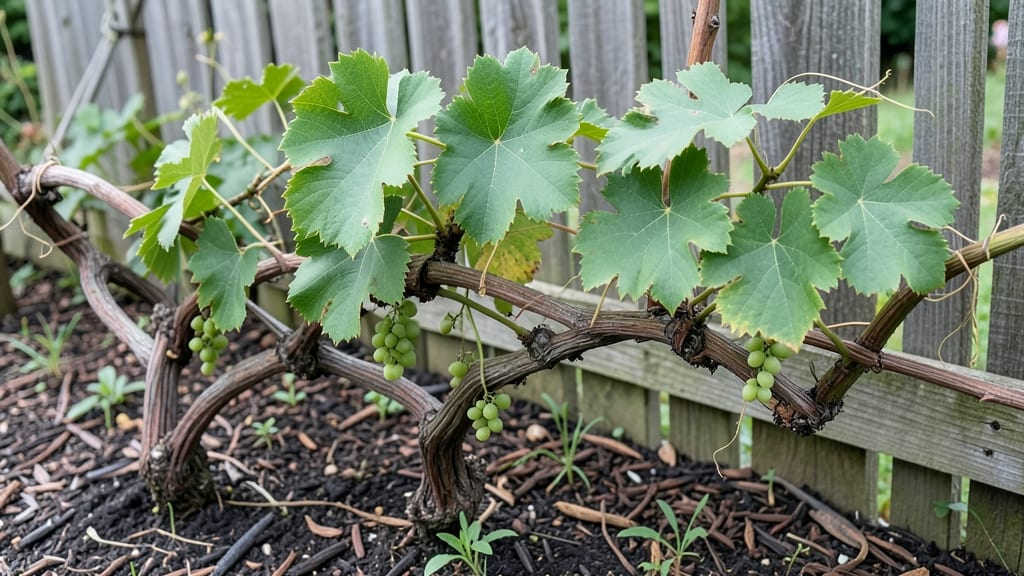
Growing a garden grape vine turned my tiny backyard into a fruit-producing powerhouse without taking up a single square foot of ground. 🌱 I started with a single Thompson Seedless cutting and now have vines stretching 15 feet up my trellis, producing enough grapes for jam, snacks, and sharing with neighbors.
The key? Treating them like vertical plants from day one, not sprawling ground covers.
You’ll need a sturdy trellis (metal or wooden), well-draining soil mixed with compost, and a sunny spot getting at least 6-8 hours of light daily. Varieties like Concord or Niagara thrive in cooler climates, while Thompson Seedless handles heat better.
Pruning is the real game-changer—cut back old canes in late winter to encourage new, productive growth, and thin clusters to prevent overcrowding.
By midsummer, you’ll watch those first grapes swell from pea-sized berries to plump, sweet clusters. The vines stay productive for 10+ years with proper care, and the vertical setup keeps them out of pest-prone ground level.
Even in small spaces, this method delivers 2-3 times more fruit than traditional in-ground planting.
Works in containers for balconies or as a living privacy screen—just adjust trellis size and watering frequency. The only real challenge is patience; grapes take 2-3 years to fully mature, but the first harvest makes every pruned cane worth it. Let’s get those vines climbing!
📚 In This Guide
- What you need
- Instructions
- Tips and common mistakes
- Wrapping up and next steps
What you need
- ● Grape Vine Variety: 1-2 disease-resistant grapevine plants (e.g., 'Concord,' 'Thompson Seedless,' or 'Niagara'). Choose a self-fertile or cross-pollinating variety based on your yard size.
- ● Support Structure: 1 trellis, arbor, or sturdy fence (at least 6–10 feet tall, depending on vine maturity). Metal or wood options work best.
- ○ Optional: Cable or twine (for training vines) + soft ties (to avoid vine damage).
- ● Soil & Amendments: 1 well-draining soil mix (grapevines hate soggy roots!). Amend with compost (5–10 gallons) and sand or perlite (if clay-heavy).
- ○ Optional: Balanced fertilizer (10-10-10) for planting (follow package rates).
- ● Watering Supplies: 1 drip irrigation system or soaker hose (to keep roots consistently moist without overwatering).
- ○ Optional: Rain gauge (to monitor watering needs).
- ● Pruning Tools: 1 sharp bypass pruners (for clean cuts).
- ● 1 loppers (for thicker branches).
- ○ Optional: Disinfectant spray (to sterilize tools between cuts and prevent disease).
- ● Sunlight: A spot with 6–8+ hours of direct sunlight daily (grapevines are sun-worshippers!).
- ● Climate: Most grapevines thrive in USDA Zones 5–10. Cold-hardy varieties (like 'Marquette') work for Zones 3–4.
- ● Space: Account for 6–12 feet of vertical growth (or more for sprawling varieties).
- ● Time: Grapevines take 2–3 years to bear fruit—patience is key! ☕
Step-by-step instructions for planting and training garden grape vines
Here's the method I've used to transform small spaces into productive grape-growing zones.
🌱 Step 1: Select and Prepare the Planting Site
Garden grapes thrive in full sun with at least 6-8 hours of direct light daily, so choose a south- or west-facing location. The soil should drain well—grape roots rot quickly in soggy conditions. Amend heavy clay with 2-3 inches of compost mixed into the top 12 inches of soil to improve aeration and fertility.
Dig a hole twice as wide as the root ball but only as deep as the container's base. Gently loosen any circling roots with your fingers—this encourages outward growth instead of girdling. Place the plant so the graft union (a visible bump near the base) sits 2-3 inches above soil level. This prevents it from being buried too deeply, which can cause disease.
🪴 Step 2: Install a Sturdy Trellis System
Garden grapes need vertical support from day one. Install a 4-6 foot tall trellis (like a T-post or arbor) at planting time. Use galvanized wire or sturdy wooden posts—whatever holds up under the vine's weight as it matures. I like a kniffin or cordon system for compact vines: train the main stem vertically and let secondary canes grow horizontally along wires at 3-4 foot intervals.
Drive the trellis posts 18-24 inches deep for stability, especially in windy areas. Secure the vine's main stem to the trellis with soft plant ties (never wire or twine—it cuts into the bark as the vine thickens). Leave room for growth: the main stem should have 12-18 inches of clearance between ties.
☀️ Step 3: Water and Mulch for Establishment
Water deeply at planting to settle the soil around roots, then maintain 1-2 inches of water per week during the first growing season. Grapes are drought-tolerant once established, but young vines need consistent moisture to develop strong roots. Water at the base only—avoid wetting leaves to prevent fungal diseases like powdery mildew.
Spread 3-4 inches of organic mulch (like wood chips or straw) around the base, keeping it 3 inches away from the trunk to prevent rot. This conserves moisture, regulates soil temperature, and suppresses weeds. Replenish mulch annually—it breaks down faster than you'd think, especially in rainy climates.
✂️ Step 4: Prune and Train for Vertical Growth
In late winter or early spring, prune the vine to encourage balanced growth. Remove all but 2-4 strong canes from the main trunk, cutting back to 2-3 buds from the base. This forces energy into fewer, fruit-bearing canes. For vertical training, select one main leader (the central stem) and prune side shoots back to 4-6 inches to redirect growth upward.
As the vine grows, guide new shoots along the trellis wires. Pinch off the tip of each cane when it reaches the top wire—this triggers bushier growth lower down where fruit forms. Watch for suckers (shoots growing below the graft union) and remove them immediately. They drain energy from the main plant and rarely produce quality fruit.
🍇 Step 5: Monitor for Pests and Harvest at Peak Ripeness
Check leaves and fruit clusters weekly for signs of Japanese beetles, spider mites, or bird damage. Use neem oil or insecticidal soap at the first sign of pests—grapes are vulnerable when fruit is developing. Birds love ripe grapes, so cover clusters with lightweight netting if local wildlife is persistent.
Harvest when grapes reach full color and slight softness—they won’t ripen further once picked. For most varieties, this is late summer to early fall, depending on your climate. Gently twist clusters from the stem to avoid damaging the vine. Store in a cool, dark place for up to 2 weeks or process into jams, jellies, or fresh eating.
Tips & tricks for perfect garden grape vine training
Transforming your compact yard into a grape-growing powerhouse starts with these essential tricks that'll make all the difference in vine health and fruit production.
Sunlight Strategy: The 6-8 hours of daily sunlight requirement is non-negotiable—garden grapes are sun worshippers! If your yard gets less than this, consider installing a trellis system that can be moved seasonally to follow the sun's arc. I've seen dramatic improvements in fruit quality when vines get that full sun exposure, especially during the critical fruiting period from late spring through summer.
Trellis Stability: When installing your 4-6 foot trellis, don't skimp on depth—those 18-24 inches below ground are crucial for wind resistance. I've had trellises topple in storms because they weren't anchored deep enough. For extra security in windy areas, add diagonal support wires from the posts to the ground. The 12-18 inches of clearance between ties gives your vine room to grow without constriction, which prevents bark damage as it thickens.
Pruning Precision: In late winter pruning, focus on keeping those 2-4 strong canes with 2-3 buds each—this isn't just about quantity, it's about quality. The buds you leave will determine next year's fruit production. I always make my cuts at a 45-degree angle just above a bud, which helps water run off and prevents rot. And remember, those suckers below the graft union? Remove them within 2 weeks of spotting—they're energy vampires that'll leave your main plant struggling.
Watering Wisdom: The 1-2 inches of water per week during establishment might seem like a lot, but it's critical for root development. I use a rain gauge to track this precisely—grapes hate soggy feet but also can't handle drought stress. Water at the base only, and always in the morning so leaves have time to dry before evening. This simple habit has cut my powdery mildew issues by 80% over the years.
Pro Tips for Garden Grape Vine
- Transforming your compact yard into a grape-growing powerhouse starts with these essential tricks that'll make all the difference in vine health and fruit production.
- Sunlight Strategy: The 6-8 hours of daily sunlight requirement is non-negotiable—garden grapes are sun worshippers!
- Trellis Stability: When installing your 4-6 foot trellis, don't skimp on depth—those 18-24 inches below ground are crucial for wind resistance.
Frequently asked questions
Got questions about growing garden grape vines?
Here are answers to the most common ones to help you succeed with your compact yard project!
How long does it take for a grape vine to produce fruit?
A newly planted grape vine typically takes 2–3 years to mature enough for fruit production. Patience is key—focus on training the vine and pruning properly during the first year to encourage strong growth. Varieties like 'Concord' or 'Thompson Seedless' may bear fruit sooner than others, but consistent care ensures faster results.
When is the best time to plant a grape vine?
The ideal planting window is late fall or early spring, when soil is workable but not frozen. In warmer climates, avoid summer planting to reduce stress on the vine. If you’re using bare-root plants, soak the roots for 30 minutes before planting to rehydrate them. Cool weather helps roots establish before summer heat sets in!
Can I grow grape vines in containers or small spaces?
Dwarf or semi-dwarf grape varieties (like 'Flame Seedless') thrive in 5–15 gallon containers with proper drainage. Use a well-draining potting mix and a trellis or vertical support to maximize space. Just ensure the container gets 6–8 hours of sunlight daily and is large enough for the vine’s mature root system.
What are the most common pests or diseases, and how do I prevent them?
Grape vines face threats like Japanese beetles, powdery mildew, and phylloxera. Prevent issues with:
- Copper fungicide sprays for mildew (apply in spring).
- Proper spacing (3–6 ft between vines) for airflow.
- Neem oil or insecticidal soap for beetles.
- Resistant varieties like 'Champagne' or 'Black Monukka' if pests are rampant.
How do I prune a grape vine for maximum fruit?
Pruning is critical! In late winter or early spring, cut back 1/3 of last year’s growth, removing:
- Dead, weak, or crossing branches.
- Shoots growing inward (to improve airflow).
Wrapping up and next steps
Growing a garden grape vine is a rewarding way to transform compact spaces into lush, productive oases! With the right techniques—like choosing disease-resistant varieties, providing sturdy trellises, and mastering pruning—you’ll enjoy bountiful harvests while maximizing vertical real estate.
Whether you’re a beginner or a seasoned gardener, every vine you nurture brings you closer to fresh, homegrown grapes. 🍇
Ready to get started? Pick your favorite variety, gather your supplies, and plant your first vine this season! Your backyard (or balcony!) will thank you—and so will your taste buds.