
Tools
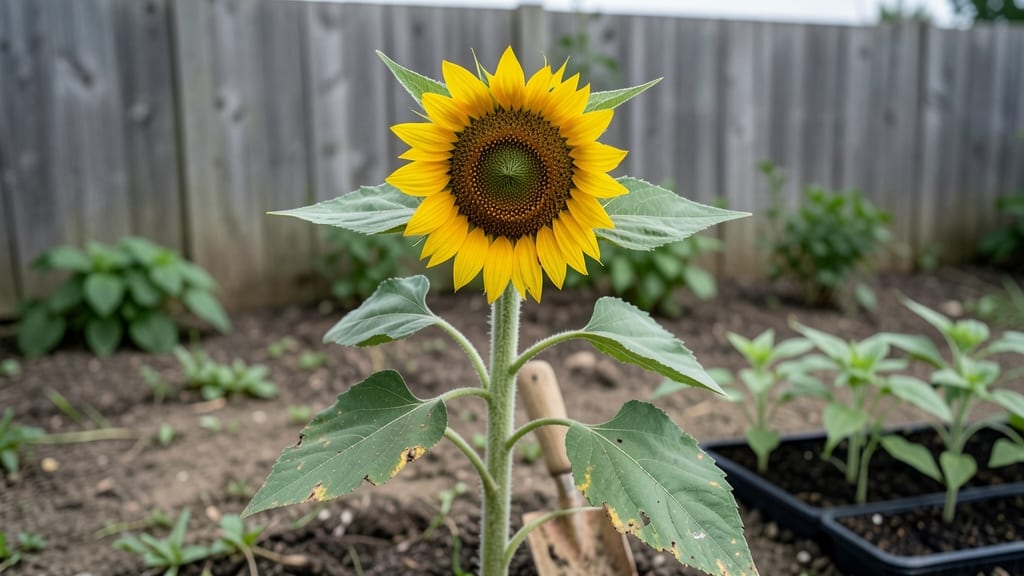
This garden for children’s wonder isn’t just a yard—it’s a living playground where little hands discover textures, tastes, and tiny creatures. 🌿 I designed mine after watching my nephew press his face into sunflowers, whispering, "It smells like cookies!" The secret?
Mixing edible blooms with safe, interactive spaces that grow curiosity along with the plants.
Start with low-maintenance paths (gravel or rubber mulch) and durable raised beds—kids will climb on them, so use cedar or composite wood. Plant non-toxic edibles like nasturtiums (bright flowers they can nibble) and strawberries (low to the ground for tiny reachers).
Add sensory surprises: lavender for rubbing leaves, mint for smelling, and a bug hotel (a pinecone stuffed with twigs) to watch ladybugs move in.
By summer's end, you'll have a space where kids dig in the dirt (literally), identify caterpillars, and snack on sun-warmed peas—all while learning where food comes from.
The best part? It grows with them: add a chalkboard fence for doodling or a watering station with a long spout so they can "help" without floods.
Works for backyards, schoolyards, or even balcony pots—just scale the beds. The key is letting them lead: if they love bugs, add a magnifying glass and a log to flip over.
If they prefer digging, fill a bin with sand and let them "plant" seeds (then eat the real ones later).
📚 In This Guide
- What you need
- Instructions
- Tips and common mistakes
- Wrapping up and next steps
What you need
- ● Soil & Planting Mediums: Topsoil (2–3 cubic yards, depending on garden size)
- ● Compost or organic matter (1–2 bags, 40 lbs each) for nutrient-rich soil
- ● Potting mix (10–20 bags, 18 lbs each) for container gardening
- ● Sensory-Friendly Plants (Edible & Safe for Kids): Herbs: Basil, mint, chamomile, or lavender (5–10 plants)
- ● Flowers: Nasturtiums, sunflowers, or pansies (20–30 plants)
- ● Vegetables: Cherry tomatoes, strawberries, or bush beans (10–15 plants)
- ● Fruit bushes: Dwarf apple, blueberry, or raspberry (2–4 plants)
- ● Garden Structures & Safety: Kid-sized raised beds (2–4, 2’x4’ dimensions, 12” deep)
- ○ Childproof fencing or low borders (optional, for containment)
- ● Soft mulch (wood chips or straw, 1–2 bags, 4 cu. ft. each)
- ● Tools: Garden gloves (1–2 pairs, kid-friendly if possible)
- ● Trowel or small hand shovel (1–2)
- ● Watering can with a long spout (1–2, 2–3 gallon capacity)
- ● Pruners or scissors (1 pair, for trimming)
- ● Measuring tape (1)
- ● Decorative elements: Painted rocks, colorful pebbles, or whimsical garden stakes
- ● Sensory tools: Textured surfaces (sand, smooth stones) or wind chimes for sound
- ● Water features: Small birdbath or drip irrigation for a calming effect
- ● Shade solutions: Pop-up canopy or umbrella (for sunny days)
- ● Kid-friendly seating: Mini stools, benches, or cushioned logs
Step-by-step instructions for creating a sensory-friendly children's garden
Transform your backyard into a vibrant playground where kids can explore, touch, and taste nature safely.
🌱 Step 1: Plan a Safe, Accessible Layout
Design a garden space that’s easy for little hands to reach. I recommend a 4-foot by 6-foot rectangular plot with soft, rounded edges to prevent tripping. Use raised beds no taller than 12 inches—this keeps the growing area at child height while protecting plants from heavy foot traffic. Mark pathways with smooth stepping stones spaced 18 inches apart to guide movement and prevent muddy shoes.
Include a central seating area with weather-resistant cushions (like foam mats covered in fabric) where kids can sit and observe. Position this near a shade structure—a simple 6-foot by 4-foot canopy—to protect them from the sun. Avoid sharp tools or materials; opt for rounded-edge tools and soft mulch (like shredded bark) to keep the space safe for curious explorers.
🌿 Step 2: Select Sensory-Friendly, Edible Plants
Choose plants that engage all five senses while being non-toxic and edible. Start with sweet-smelling flowers like nasturtiums (bright, peppery leaves) and pansies (fragrant and colorful). Add textured plants such as fuzzy lamb’s ear (soft to touch) and spiky artichokes (fun to explore). For edible delights, include strawberries (easy to pick), cherry tomatoes (bursting with flavor), and mint (scented and safe to nibble).
Plant in small clusters—3-4 plants per type—so kids can easily identify and interact with each variety. Use color-coded labels (like red tags for tomatoes, green for herbs) to help them learn. Avoid plants with thorns or sticky sap, like raspberries or poison ivy. Instead, focus on gentle, forgiving plants that reward touch and taste.
💧 Step 3: Set Up Low-Maintenance Watering
Kids love water, but traditional hoses can be messy. Install a drip irrigation system with soft, flexible tubing connected to a small watering can (like a 1-gallon capacity) for easy refills. Place shallow, wide bowls (like 6-inch diameter saucers) near seating areas so kids can pour water onto plants—supervised, of course. Add a miniature fountain (battery-operated) to create a soothing sound while keeping the garden lively.
Teach them the "finger test" for watering: press their finger 1 inch into the soil. If it feels dry, it’s time to water. This builds responsibility and helps them understand plant needs. Avoid overhead sprinklers—they can create slippery surfaces and waste water. Instead, use gentle, targeted watering to keep the garden safe and efficient.
✂️ Step 4: Add Interactive Garden Features
Incorporate elements that spark imagination. Install a small trellis (like a 3-foot tall arch) where kids can grow cucumbers or beans—they’ll love watching vines climb. Add a sandbox corner (filled with play sand) where they can dig and plant seeds in biodegradable pots. Include a mini greenhouse (a clear plastic dome over a 2-foot by 2-foot frame) to show how plants grow in different conditions.
Hang wind chimes made from recycled materials (like bamboo sticks and seashells) to add movement and sound. Place a chalkboard fence panel where they can draw their favorite plants. These features turn gardening into a multi-sensory adventure, making every visit exciting and educational.
☀️ Step 5: Teach Maintenance Through Play
Make chores fun by turning them into games. Give kids small hand tools (like a 3-inch trowel and kid-sized gloves) and let them "harvest the treasure" (picking veggies or flowers). Create a "bug hotel" (a wooden box filled with pinecones and leaves) to attract beneficial insects—kids can observe them safely through a magnifying glass. Set up a "plant doctor" station with spray bottles (filled with water) so they can "treat" plants by misting leaves.
Schedule weekly "garden parties" where they can taste new harvests, draw plants, or tell stories about their favorite garden moments. This builds a lifelong connection to nature while keeping the garden lively and engaging. The key is to let them lead—their curiosity will keep the garden thriving.
Tips & tricks for perfect sensory-friendly children's gardens
Creating a magical sensory garden for kids takes thoughtful planning—here’s how to make it both safe and endlessly engaging.
Safe Layout Essentials: When designing your 4-foot by 6-foot plot with 12-inch raised beds, prioritize rounded corners and smooth pathways. I recommend using 18-inch spaced stepping stones to prevent tripping hazards while guiding little feet. For seating, opt for weather-resistant foam mats covered in fabric—they’re easy to clean and provide comfortable spots for observation. The 6-foot by 4-foot canopy should be positioned to create shade over these seating areas, protecting kids from direct sun while they explore.
Plant Selection Strategy: The key to sensory engagement lies in variety—aim for plants that appeal to all five senses. For texture, include fuzzy lamb’s ear alongside spiky artichokes so children can compare soft and prickly sensations. When planting your 3-4 plants per type, space them with clear pathways between clusters. This creates natural "zones" where kids can focus on one sensory experience at a time. Color-coded labels (like red for tomatoes) help them associate colors with plant types, making identification a game.
Interactive Element Placement: The most successful gardens incorporate features that spark imagination. Position your 3-foot trellis near the seating area so kids can watch vines grow while sitting comfortably. Place the mini greenhouse (that 2-foot by 2-foot frame) in partial shade to show how plants grow in different conditions without overheating. For the sandbox corner, use play sand in a contained area near the raised beds—this lets them dig and plant seeds while staying close to the growing plants.
Maintenance Made Fun: Turn chores into games by creating a "plant doctor" station with spray bottles filled with water. Kids can "treat" plants by misting leaves, and the 3-inch trowel becomes their "harvesting tool." Schedule your weekly garden parties around the natural growth cycles of your plants—when strawberries ripen or mint flowers bloom. This builds anticipation and makes maintenance feel like a celebration rather than a chore.
Pro Tips for Garden For Children'S
- Creating a magical sensory garden for kids takes thoughtful planning—here’s how to make it both safe and endlessly engaging.
- Safe Layout Essentials: When designing your 4-foot by 6-foot plot with 12-inch raised beds, prioritize rounded corners and smooth pathways.
- Plant Selection Strategy: The key to sensory engagement lies in variety—aim for plants that appeal to all five senses.
Frequently asked questions
Got questions about creating a sensory-friendly garden for kids? Here are some common ones—and their answers—to help you get started!
What’s the best age range for a sensory garden?
A sensory garden works for kids ages 2 and up—toddlers love touching textures, while older children enjoy identifying plants and harvesting edible blooms. For younger kids (under 2), focus on safe, low-to-the-ground plants like lamb’s ear or thyme to prevent choking hazards.
How often should I water a children’s garden?
Most sensory plants thrive with 1–2 inches of water per week, but kids’ gardens dry out faster! Water early in the morning (to reduce evaporation) and check soil moisture daily during hot spells. Drip irrigation or self-watering planters can make maintenance easier for little helpers.
Can I use potted plants instead of in-ground gardening?
Potted gardens are ideal for kids—they’re portable, customizable, and reduce soil-borne pests. Use large, lightweight containers (like fabric grow bags) for mobility. Just ensure pots have drainage holes to prevent root rot.
How do I keep pests away without chemicals?
Kids love natural pest control! Try these tricks:
- Companion planting: Marigolds repel aphids, and basil deters mosquitoes.
- Ladybugs & lacewings: Release beneficial insects to eat pests.
- Neem oil spray: Mix with water and spray (keep kids away while applying!).
What are the easiest edible flowers for kids to grow?
Start with these kid-approved, low-maintenance picks:
Plant
Why Kids Love It
Nasturtiums
Bright colors, peppery taste, and edible leaves/seeds.
Pansies
Sweet petals (great for salads!) and fun shapes.
Calendula
Mild citrus flavor; also used in healing salves.
Wrapping up and next steps
Creating a garden for children’s sensory-friendly space is more than just a fun project—it’s a gift of curiosity, learning, and joy! 🌸 With edible blooms and playful textures, you’ve designed a place where little hands can explore, taste, and grow.
Whether you started small or went all out, the most important thing is that your kids (and their imaginations) will thrive here.
Ready to watch the magic unfold? Plant a seed today—literally or figuratively—and let the adventures begin! 🌱 Start by inviting your little gardeners to water their first bloom or sketch their favorite flowers. What will they discover next?