
Container Gardens
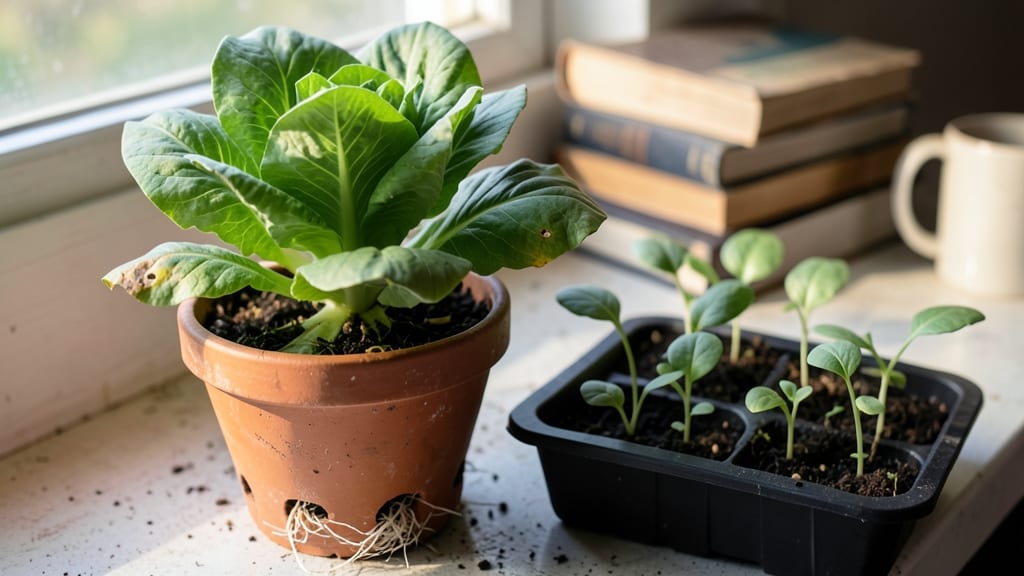
My apartment container gardening setup now feeds us fresh herbs and greens year-round—all from a 6-foot balcony. The key isn't expensive pots or rare plants, but matching what you grow to how much space you have.
I started with two windowsills and a single wall-mounted planter, and now my neighbors ask for cuttings.
You'll need containers with drainage, lightweight soil mix, and plants that thrive in small spaces. Herbs like basil and thyme fit in 6-inch pots, while cherry tomatoes and peppers need 5-gallon containers. The right layout—like vertical pockets for greens—doubles your growing area without taking up more floor space.
By mid-summer, you'll be harvesting crisp lettuce, snappy green onions, and fragrant herbs that outperform anything from the grocery store. The best part? No weeding, no soil pests, and no need to bend over for hours. Even in tight spaces, this system delivers fresh, homegrown food with minimal effort.
Works for any balcony, patio, or sunny windowsill—whether you're in a high-rise or a small urban home. Let's get those containers planted and turn your outdoor space into a mini farm.
📚 In This Guide
- What you need
- Instructions
- Tips and common mistakes
- Wrapping up and next steps
What you need
- ● Containers: 5–10+ pots (5–15 gallons each, with drainage holes). Use lightweight materials like: Plastic (durable, affordable)
- ● Fabric grow bags (breathable, foldable)
- ● Ceramic/terracotta (aesthetic but heavier)
- ● Potting Mix: 1–2 bags of high-quality, well-draining container mix (avoid garden soil—it compacts!).
- ● Drainage: 1–2 inches of pebbles, perlite, or broken pottery at the container bottom.
- ● Seeds/Seedlings: Herbs: Basil, mint, parsley (1–2 plants per 6" pot)
- ● Veggies: Cherry tomatoes, lettuce, peppers (1 plant per 1–2 gallon pot)
- ● Dwarf fruit: Blueberries, strawberries (1 plant per 5+ gallon pot)
- ● Tools: Trowel or small hand shovel
- ○ Gloves (optional but handy!)
- ● Spray bottle (for watering seedlings)
- ● Self-watering system or drip irrigation kit (for busy gardeners!)
- ● Fertilizer: Slow-release granules or liquid organic fertilizer (like fish emulsion).
- ● Mulch: Straw or shredded leaves to retain moisture.
- ● Support structures: Small cages or stakes for vining plants (e.g., cucumbers).
- ● Sunlight meter or app (to track light exposure—critical for success!).
Step-by-step instructions for apartment container gardening
Here’s how to turn even the smallest balcony into a productive edible garden.
Choose the Right Containers for Your Space
Start with containers that have drainage holes—this prevents root rot, which is deadly for plants in confined spaces. For 4 plants, use a mix of 2 hanging baskets (for trailing herbs like basil or strawberries) and 2 medium pots (10-12 inches wide) for leafy greens or compact vegetables like bush beans. Avoid ceramic without drainage; plastic or fabric grow bags work best because they’re lightweight and easy to move.
Place containers near a south- or west-facing window if possible, as these spots get the most sunlight. If natural light is limited, invest in a clip-on grow light—just 6-8 hours of artificial light daily can keep plants thriving. I like to group containers together so they create a microclimate with consistent moisture and temperature.
Select Fast-Growing, Compact Edibles
Prioritize plants that mature quickly and stay small, like lettuce, spinach, radishes, or dwarf tomatoes. These are perfect for containers because they don’t outgrow their space. For 4 plants, I recommend 2 leafy greens (like spinach or kale) and 2 compact herbs (basil or thyme). Avoid root vegetables like carrots—they need deep soil and won’t thrive in shallow pots.
Check seed packets for "container-friendly" labels. Some varieties, like 'Cherry Tomato' or 'Thyme Citriodora,' are bred specifically for small spaces. If you’re using seedlings, look for "potted" or "transplant-ready" tags—they’ll adjust to containers faster than seeds.
Prepare Soil and Plant Correctly
Fill containers with high-quality potting mix—never garden soil, which compacts and suffocates roots. For 4 plants, you’ll need about 2 gallons of mix per container. Mix in a handful of compost or slow-release fertilizer to give plants a nutrient boost without overfeeding. Tap the soil gently to remove air pockets, then water until it’s moist but not soggy.
Plant seeds or seedlings 1 inch deep, following packet instructions. Space them 3-4 inches apart in pots and 6-8 inches apart in hanging baskets. Water lightly after planting to settle the soil. If using hanging baskets, place them at eye level so you can easily check moisture and harvest without straining.
Water and Maintain for Consistent Growth
Water when the top inch of soil feels dry—this prevents overwatering, which is a common killer in containers. Use a watering can with a narrow spout to direct moisture to the roots without disturbing the soil. In hot weather, you may need to water daily, while cooler months might only require every 2-3 days. Always water in the morning so plants dry out by evening.
Fertilize every 4-6 weeks with a balanced liquid fertilizer (like 10-10-10) diluted to half strength. Overfertilizing burns roots, especially in small containers. Watch for pests like aphids or spider mites—spray plants with neem oil if you spot them early. A quick wipe with a damp cloth keeps leaves dust-free and helps plants absorb light efficiently.
Harvest and Extend the Season
Harvest leafy greens by pinching outer leaves when they reach 3-4 inches tall—this encourages new growth. For herbs, snip stems just above a set of leaves to promote bushiness. With 4 plants, you’ll have enough for salads, cooking, or sharing within 4-6 weeks. Save seeds from radishes or lettuce if you want to replant for a second crop.
To extend the season, move containers indoors near a sunny window in fall or use a frost blanket on chilly nights. Some herbs, like parsley and chives, even grow better in cooler weather. Rotate containers weekly so plants grow straight toward the light, not lopsided. With the right care, your balcony garden can produce food year-round.
Tips & tricks for perfect apartment container gardening
Balcony gardening doesn't have to be guesswork—these simple strategies will help you maximize your small space and grow thriving edibles.
Container Selection Matters: For your 4 plants, prioritize containers with drainage holes to prevent root rot, which is especially critical in confined spaces. I recommend using fabric grow bags for hanging baskets—they’re lightweight and allow roots to breathe better than plastic. If you choose ceramic, make sure it has drainage holes drilled in the bottom, or root rot will become your biggest enemy. Grouping containers together creates a microclimate that maintains consistent moisture and temperature, which is particularly helpful if your balcony gets hot afternoons or cool evenings.
Light Optimization is Key: The 6-8 hours of artificial light mentioned is perfect, but placement matters just as much. If your balcony gets afternoon sun, position taller plants like basil on the north side of pots to prevent shading. For windows without direct sunlight, use LED grow lights—they’re energy-efficient and produce less heat than traditional bulbs. I’ve found that placing containers on a rolling cart lets me rotate them weekly to ensure even light exposure, preventing lopsided growth that’s common in small spaces.
Soil Preparation Secrets: When mixing your 2 gallons of potting mix per container, add a handful of perlite or vermiculite to improve drainage. This is especially important in small containers where water can pool quickly. I like to pre-moisten the mix before adding it to containers—this helps eliminate air pockets that can suffocate young roots. For the compost or slow-release fertilizer, I recommend using worm castings if available; they provide gentle, long-lasting nutrients without the risk of burning young plants.
Harvesting Technique: When harvesting leafy greens at 3-4 inches tall, use clean scissors or your fingers to pinch just above a leaf node. This encourages bushier growth by stimulating side shoots. For herbs, always cut just above a set of leaves—this prevents the stem from drying out while allowing new growth to emerge from the leaf axils. I’ve found that harvesting in the morning gives you the freshest leaves, and it also prevents pests that are more active in the evening.
Pro Tips for Apartment Container Gardening
- Balcony gardening doesn't have to be guesswork—these simple strategies will help you maximize your small space and grow thriving edibles.
- Container Selection Matters: For your 4 plants, prioritize containers with drainage holes to prevent root rot, which is especially critical in confined spaces.
- Light Optimization is Key: The 6-8 hours of artificial light mentioned is perfect, but placement matters just as much.
Frequently asked questions
What are the easiest edibles to grow in containers for beginners?
Start with low-maintenance, fast-growing plants like leafy greens (lettuce, spinach), herbs (basil, mint, parsley), or cherry tomatoes. These thrive in small pots, tolerate partial shade, and forgive occasional watering mistakes. Avoid root-heavy veggies like carrots or potatoes unless you use deep containers (12"+).
How often should I water my container garden?
Check soil moisture daily—containers dry out fast! Water when the top inch feels dry (stick your finger in to test). Most herbs/veggies need 1–2 inches of water weekly, but adjust for heat/wind. Morning watering prevents evaporation, and self-watering pots can help busy schedules. Overwatering is worse than underwatering—always drain excess!
Can I use any container, or are there size/shape rules?
Yes, but size matters! Choose containers with drainage holes (or drill them) and aim for:
- Depth: 6" for herbs, 12"+ for tomatoes/peppers.
- Width: At least 12" diameter for root veggies (like radishes).
- Material: Lightweight options (fabric grow bags, plastic) move easily, while ceramic/wood retain moisture longer.
Repurpose buckets, old bathtubs, or even hanging pockets—just ensure stability and airflow!
My plants look sad—what’s the most common fix?
Yellow leaves? Check these first:
- Over/under-watering (crispy edges = thirsty; wilting = soggy roots).
- Light issues (leggy plants? Move to brighter spot or use grow lights).
- Temperature stress (herbs like basil hate cold drafts—bring indoors if temps drop below 50°F).
- Pests (spider mites or aphids? Spray with soapy water or neem oil).
Rotate pots weekly for even growth, and fertilize every 2–4 weeks with balanced liquid feed.
What if my balcony has no direct sunlight—can I still garden?
Opt for shade-tolerant edibles like:
- Leafy greens (kale, Swiss chard, arugula).
- Herbs (cilantro, parsley, chives).
- Mushrooms (grow kits need indirect light!).
Supplement with LED grow lights (12–16 hrs/day) for faster growth. Even a north-facing balcony can yield harvests with the right picks!
Wrapping up and next steps
Apartment container gardening proves that green thumbs aren’t limited by small spaces—just creativity and care! 🌱 With the right containers, sunlight, and edibles, you can grow fresh herbs, veggies, and even fruits right on your balcony.
Whether you’re a beginner or a seasoned gardener, this method makes urban farming accessible, rewarding, and deliciously satisfying.
Ready to turn your balcony into a thriving garden? Start small—pick one or two easy plants, gather your supplies, and dive in! Soon, you’ll be harvesting homegrown goodness while enjoying the joy of nurturing life in the heart of the city. Happy planting! 🌿