Companion Plants
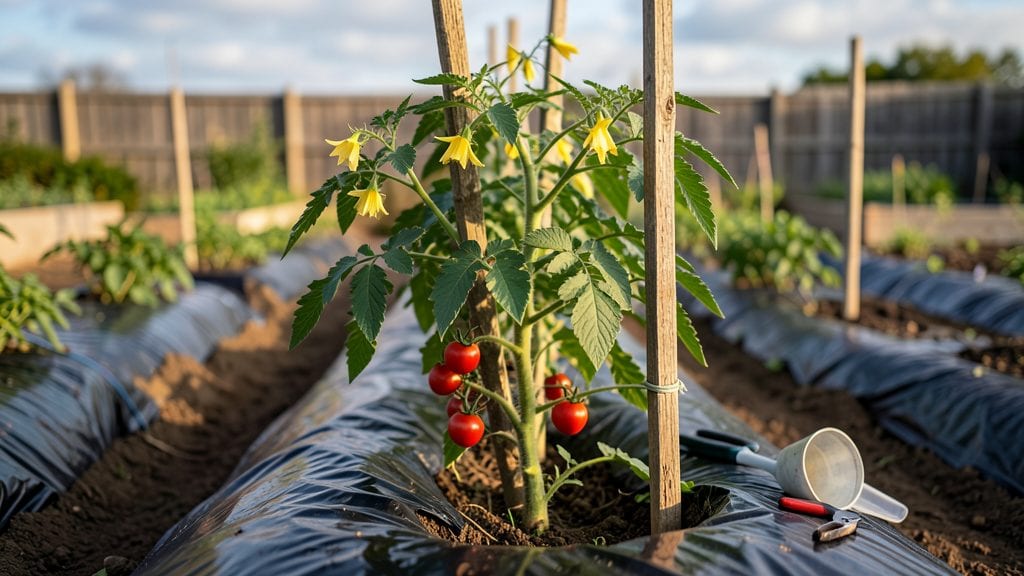
Square foot gardening turns my tiny balcony into a tomato powerhouse—no sprawling vines, no wasted space. 🌱 The secret is fitting one tomato plant per square foot, using the right soil mix and support system to coax every inch of that grid into productivity.
Most people think tomatoes need room to roam, but I've grown more in a 4x4-foot plot than my neighbor does in their entire raised bed.
You'll need a 12-inch-deep square foot box filled with 50% compost, 25% peat moss, and 25% vermiculite—this mix drains fast but holds enough moisture for thirsty tomato roots.
Plant one determinate variety (like 'Patio' or 'Tiny Tim') per square, stake it early, and watch those vines climb instead of sprawl. The key is pruning suckers weekly to keep energy focused on fruit, not foliage.
By midsummer, you'll be harvesting dozens of tomatoes from that same square foot—plumper, riper, and more flavorful than store-bought. The plants stay compact, shade each other just enough to prevent sunscald, and you avoid the blight issues that plague crowded in-ground gardens.
Even my black thumb can't kill these when the spacing is right.
Works for patios, rooftops, or even a sunny windowsill with grow lights. The same grid system scales to peppers, herbs, and greens—once you master tomatoes, your whole garden transforms. Let's get those plants planted!
📚 In This Guide
- What you need
- Instructions
- Tips and common mistakes
- Wrapping up and next steps
What you need
- ● Square Foot Gardening Box: 4’ x 4’ wooden frame (or a pre-made kit) with 12" deep sides.
- ● Mel’s Mix Soil: 1 part peat moss, 1 part vermiculite, 1 part compost, and ½ part perlite (or buy pre-mixed). ~36 cubic feet total.
- ● Tomato Plants: 1–4 tomato plants per square foot (depending on variety). Choose determinate (bush) or indeterminate (vining) types.
- ● Stakes or Cages: 4–6 ft tall (1 per plant for indeterminate varieties).
- ● Organic Fertilizer: Balanced 5-5-5 or tomato-specific fertilizer (follow package rates).
- ● Drip Irrigation or Soaker Hose: Adjustable for even watering (¼" tubing, ~16 ft length).
- ● Mulch: Straw or shredded leaves (2–3 inches thick) to retain moisture.
- ● Garden trowel or hand shovel
- ● Pruners (sterilized)
- ● Measuring tape
- ○ Gloves (optional but handy!)
- ● Companion Plants: Basil, marigolds, or onions (plant in adjacent squares to deter pests).
- ● Shade Cloth: For hot climates (30–50% coverage).
- ● Plant Labels: To track varieties and planting dates.
- ● Fish Emulsion or Compost Tea: For a nutrient boost mid-season.
Step-by-Step instructions for square foot gardening tomato plants
Turn limited space into a high-yield tomato paradise with this simple grid system.
🪴 Step 1: Build or Use a Raised Bed Grid
Create a 4-foot by 4-foot raised bed (or use an existing one) and divide it into a 1-foot by 1-foot grid using 1-inch thick wood strips. This gives you 16 perfect squares—each designed to hold just the right number of tomato plants for maximum air circulation. I use cedar strips because they resist rot and won’t warp over time.
Make sure your bed has at least 6 inches of depth—tomato roots need room to spread. If you’re using an existing bed, simply mark the squares with stakes or string to create the same 12-inch spacing. The key here is precision: uneven squares lead to overcrowding and disease.
🌱 Step 2: Plant the Right Number of Tomatoes per Square
For determinate (bush) tomatoes, place 1 plant per square. For indeterminate (vining) tomatoes, you can fit 4 plants per square—but only if you’re using smaller varieties like 'Tiny Tim' or 'Patio Princess'. Larger indeterminate types like 'Sungold' need their own square to sprawl properly.
Dig a hole twice as wide as the root ball but only as deep as the container it came in. Gently loosen the roots if they’re circling and place the plant so the stem sits just above soil level—burying too deep can cause rot. Fill the hole with 1 gallon of potting mix per plant, pressing lightly to remove air pockets.
💧 Step 3: Water and Mulch for Consistent Moisture
Water each newly planted square with ½ gallon of water to settle the soil around the roots. Tomatoes hate dry spells, so water deeply every 2-3 days until the top 2 inches of soil feel moist—not soggy. I use a soaker hose to deliver water right at the base without wetting the leaves, which prevents fungal diseases.
Spread 2 inches of mulch (like straw or shredded leaves) over each square after watering. This keeps moisture in, weeds out, and regulates soil temperature. Avoid piling mulch against the stems—leave a 2-inch gap to prevent rot. Check mulch weekly and replenish if it breaks down.
☀️ Step 4: Train and Support Vining Varieties
If you planted indeterminate tomatoes, install 1 tomato cage or stake per plant right after planting. For cages, choose 5-foot tall models—they’ll support the plant’s full height. For stakes, use 6-foot bamboo stakes and tie the main stem loosely with soft plant ties every 12 inches as it grows.
Here’s the trick: prune suckers (the little shoots that grow in the leaf axils) when they’re no bigger than a pencil. Remove them by pinching them off with your thumb and forefinger—don’t tear the stem. This directs the plant’s energy into fruit production instead of leafy growth. You’ll see thicker stems and more tomatoes in just a few weeks.
✂️ Step 5: Harvest and Maintain Through the Season
Start harvesting when tomatoes are fully colored and slightly soft to the touch. Twist gently to avoid damaging the vine. For indeterminate varieties, pick regularly—this encourages more flowers and fruit. I harvest every 2-3 days during peak season to keep up with production.
Fertilize every 3-4 weeks with a balanced 10-10-10 or tomato-specific fertilizer (follow package rates). Stop fertilizing 4-6 weeks before your first frost—you want the plant to focus on ripening existing fruit, not new growth. Watch for yellowing leaves (a sign of overwatering or nutrient deficiency) and adjust care accordingly.
Tips & tricks for perfect square foot gardening tomato plants
These game-changing tips will help you squeeze maximum productivity from your small space while avoiding common gardening pitfalls.
Precision Pays Off: When creating your 1-foot squares in Step 1, use a level to ensure each square is perfectly even. Uneven squares can lead to overcrowding, which increases humidity and invites disease. I've seen tomato blight spread rapidly in crowded beds where air couldn't circulate properly. Measure diagonally across each square to verify the 12-inch spacing—this is more accurate than measuring just the sides.
Root Ball Technique: In Step 2, when planting, don't be tempted to dig deeper than the container's depth. The stem should sit just above soil level—this prevents rot while allowing new roots to form along the buried stem. I've learned this the hard way after losing several plants to stem rot from over-deep planting. For container-grown plants, gently squeeze the sides of the pot to encourage roots to spread outward before planting.
Watering Wisdom: The ½ gallon per square in Step 3 is a great starting point, but adjust based on your climate. In hotter areas, you might need to water every 1-2 days instead of every 2-3 days. I check moisture by sticking my finger 2 inches deep—if it feels dry, it's time to water. Morning watering prevents fungal diseases by allowing foliage to dry during the day. Consider adding 1 tablespoon of Epsom salt to each gallon of water every 4 weeks for magnesium boost.
Sucker Pruning Strategy: When pruning suckers in Step 4, focus on removing them when they're no bigger than a pencil. This might seem tedious, but it's worth the effort—plants with fewer suckers produce 20-30% more fruit. I set a timer for 10 minutes every other day during peak growth to stay on top of pruning. Use sharp scissors or your fingers to avoid damaging the main stem, and don't worry about perfect clean cuts—just remove the sucker completely.
Pro Tips for Square Foot Gardening Tomato Plants
- These game-changing tips will help you squeeze maximum productivity from your small space while avoiding common gardening pitfalls.
- Precision Pays Off: When creating your 1-foot squares in Step 1, use a level to ensure each square is perfectly even.
- Root Ball Technique: In Step 2, when planting, don't be tempted to dig deeper than the container's depth.
Frequently asked questions
Got questions about growing tomatoes in a square foot garden? You’re not alone! Here are some of the most common queries—and their answers—to help you grow like a pro.
Can I grow tomato plants in a square foot garden?
Square foot gardening is perfect for tomatoes, especially compact varieties like Cherry, Roma, or Patio types. Just plant one tomato per square foot (or 4 per 4x4' bed) to avoid overcrowding. Use cages or stakes to support vining varieties and maximize vertical space.
When is the best time to plant tomatoes in a square foot garden?
Tomatoes thrive in warm soil (at least 60°F/15°C). Start seeds indoors 6–8 weeks before your last frost date, then transplant seedlings after the soil warms. In cooler climates, use black plastic mulch or row covers to speed up warming. For container growing, wait until nighttime temps stay above 55°F (13°C).
What if my tomato plants get too big for their square foot?
Prune aggressively! Pinch off suckers (shoots in leaf axils) and trim lower leaves to improve airflow. For indeterminate varieties, use a sturdy cage or trellis to guide growth upward. If roots outgrow the space, consider harvesting early or relocating the plant to a larger container—just be gentle to avoid shock!
Are there tomato varieties that do better in square foot gardens?
Yes! Opt for bush or determinate varieties like ‘Tiny Tim’, ‘Balcony Red’, or ‘Micro Tom’ for compact growth. Indeterminate types (e.g., ‘Sungold’) need more space but reward with continuous harvests. Check seed packets for “container-friendly” labels to narrow your choices.
Why are my square foot garden tomatoes cracking?
Cracking usually happens due to uneven watering—too much after a dry spell causes rapid growth and skin splits. Keep soil consistently moist (not soggy) with mulch to retain humidity. For heavy feeders, add a balanced fertilizer (like 5-5-5) mid-season to support steady growth. Harvest overripe tomatoes promptly to prevent further issues!
Wrapping up and next steps
Square foot gardening turns even the smallest spaces into a thriving tomato paradise—proving that big yields don’t need big plots! 🌱 By mastering companion plants, spacing, and care, you’ll enjoy juicy, homegrown tomatoes without the hassle of sprawling gardens.
Whether you’re a beginner or a seasoned gardener, this method makes growing tomatoes effortless and rewarding.
Ready to harvest? Start small—try a single square foot this season, refine your approach, and watch your confidence (and tomato bounty!) grow. Next up: Grab your pruners, sketch your layout, and let the planting begin! 🍅✨