
Tools
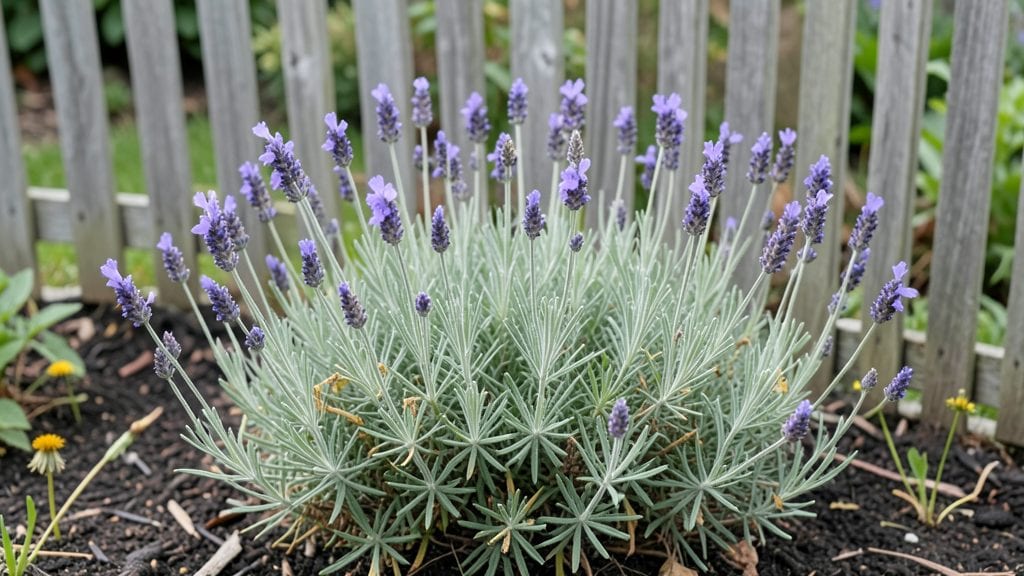
Your small garden can burst with vertical floral drama all season long—no wasted ground space required. 🌿 I used to think flower decorations needed big beds, but trellises, hanging pots, and wall planters turned my tiny patio into a showstopper without sacrificing a single square foot of lawn.
The secret lies in pairing the right flowers with their perfect vertical home: climbing roses on arches, trailing petunias in pockets, or snapdragons in tiered shelves. You’ll need just a few supplies—lightweight containers, sturdy supports, and plants that thrive upward—but the impact is shockingly lush.
Even renters can create this look with removable planters and wall-mounted systems.
By summer’s end, you’ll have a garden that feels like a curated gallery, with blooms cascading at eye level and fragrance wafting through every breeze. The best part?
These designs adapt effortlessly to any style—romantic cottage, sleek modern, or wild tropical—while keeping maintenance simple. Let’s bring that vertical magic to your space.
Works for balconies, alleyways, or backyard corners—wherever you’ve got wall space or a fence post. The key is starting small, scaling up as you see what thrives best in your light and climate. Ready to transform blank walls into living art?
Root Causes of Wilted Blooms
Even the most stunning garden flower decorations can lose their luster if environmental or care-related factors aren’t addressed. Understanding why flowers droop, fade, or fail to thrive helps you create lasting vertical beauty. Here’s a breakdown of the science behind common issues—and how to fix them.
Too much love (in the form of water) can drown roots, suffocate stems, and trigger fungal diseases like Phytophthora. When soil stays soggy, oxygen can’t reach roots, causing:
- Yellowing leaves (chlorosis) due to oxygen deprivation.
- Stunted growth as roots rot instead of absorbing nutrients.
- Mushy stems from bacterial soft rot (Erwinia spp.).
Why it happens: Clay pots, compacted soil, or lack of drainage holes trap excess moisture. Even "water-loving" plants (like Impatiens) need well-draining mixes—think 60% potting soil + 40% perlite or coconut coir.
Actionable fix:
- Test drainage: Fill a pot with water, then tip it—if it drains in <30 seconds, it’s safe.
- Use terracotta pots (porous) or add orchid bark to mixes for air pockets.
- Water only when the top inch of soil feels dry (stick your finger in!).
Flower decorations wilt dramatically when thirsty, but the real damage happens after wilting—cells collapse, and stems snap. Heatwaves (<90°F/32°C) accelerate moisture loss through transpiration, while roots can’t keep up.
Why it happens:
- Thin stems (like Snapdragons) lack vascular tissue to transport water efficiently.
- Shallow root systems (e.g., Petunias) dry out faster than deep-rooted plants.
- Evaporative stress: Leaves lose water 10x faster in direct sun than shade.
Actionable fix:
- Mulch with gravel or straw to retain soil moisture.
- Water deeply 2x/week (early morning) instead of light daily spritzes.
- Choose heat-tolerant varieties like Lantana or Zinnias for vertical gardens.
Flower decorations need macronutrients (N-P-K) and micronutrients (iron, magnesium) to produce vibrant blooms. Deficiencies cause:
- Pale leaves (nitrogen lack) or purple stems (phosphorus deficiency).
- Small, weak flowers from calcium or boron shortages.
- Yellow veins (iron chlorosis) in acidic soils.
Why it happens:
- Potting soil depletes nutrients in 3–6 months.
- Over-fertilizing with high-nitrogen feeds (like lawn fertilizer) promotes foliage over flowers.
- Soil pH imbalances: Rhododendrons need acidic (pH 4.5–5.5), while Dahlias thrive in neutral (pH 6.5–7.0).
Actionable fix:
- Use a balanced 10-10-10 fertilizer every 4–6 weeks, or bloom-specific formulas (20-20-20).
- Add compost tea or worm castings for micronutrients.
- Test pH with a $5 kit—adjust with lime (raise pH) or sulfur (lower pH).
Hidden invaders like aphids, spider mites, or powdery mildew sap energy from flowers, leading to stunted growth or unsightly blemishes. Pests thrive in humid, crowded vertical gardens.
Why it happens:
- Aphids inject toxins, causing curled leaves and sticky honeydew (which attracts sooty mold).
- Fungal spores (e.g., Botrytis) spread in high humidity (>70%) or stagnant air.
- Root-knot nematodes (microscopic worms) gnaw on roots, reducing water uptake by 50%.
Actionable fix:
- Inspect leaves daily—look for webbing (mites) or chewed edges (caterpillars).
- Spray with neem oil (1 tbsp/quart water) or insecticidal soap for soft-bodied pests.
- Improve airflow with spacers between plants or trellises.
Pro tip: 🌡️ Monitor your garden’s microclimate—use a hygrometer to track humidity and a soil moisture meter to avoid guesswork. Small adjustments (like moving pots to partial shade) can prevent 90% of common issues!
Quick Fixes for Common Decor Challenges
Transforming your small garden into a vertical floral masterpiece is rewarding, but even the best plans can hit snags.
Whether your flowers wilt too fast, your display looks uneven, or pests keep crashing the party, these practical solutions will help you keep your garden decoration lush and stunning all season long. Below, we’ve mapped out the most common issues and their fixes—plus prevention tips to avoid future headaches.
Cause: Overwatering, poor drainage, or dehydration from direct sun exposure. Fix It: ✅ Adjust Watering: Water deeply 2-3 times per week (morning is best) but ensure pots have drainage holes. Use a moisture meter to check soil levels—never let them sit in soggy water. ✅ Choose Drought-Tolerant Varieties: Opt for succulents (like sedum), lavender, or petunias, which thrive with less water. ✅ Mist Lightly: For delicate blooms (e.g., impatiens), mist leaves in the evening to boost humidity without drowning roots.
💡 Prevention Tip: Use self-watering planters or wicking systems to maintain consistent moisture without overdoing it.
Cause: Overcrowding, mismatched heights, or no cohesive theme. Fix It: ✅ Edit Ruthlessly: Remove 20% of plants to create breathing room. Aim for 3-5 focal flowers per vertical structure. ✅ Stagger Heights: Use tiered shelves, hanging baskets, or trellises to create layers. Place taller plants (e.g., snapdragons) at the back and shorter ones (e.g., pansies) in front. ✅ Unify with Color or Texture: Stick to one dominant color palette (e.g., purples and whites) or mix leafy greens with bold blooms for contrast.
🎯 Pro Tip: Sketch a simple layout on paper first—visualizing spacing prevents last-minute chaos.
Cause: Aphids, spider mites, or slugs attracted to lush foliage. Fix It: ✅ Spray Neem Oil: Mix 1 tbsp neem oil + 1 tsp mild soap per quart of water and spray on leaves (test on a small area first). ✅ Introduce Beneficial Insects: Ladybugs and lacewings devour aphids—buy them online or attract them with dill or fennel plants. ✅ Barrier Methods: Wrap copper tape around pots to deter slugs or place crushed eggshells around the base.
✨ Prevention Tip: Rotate plants every 2-3 weeks to disrupt pest life cycles. Avoid over-fertilizing—weak plants attract more bugs.
Cause: Sun scorch, dehydration, or poor soil quality. Fix It: ✅ Provide Shade Cloth: Use 30-50% shade fabric on hot afternoons, especially for tropical flowers like hibiscus. ✅ Mulch Heavily: Add 2-3 inches of mulch (straw or wood chips) to retain moisture and cool roots. ✅ Fertilize Smartly: Switch to a balanced, slow-release fertilizer (like 10-10-10) to avoid salt buildup, which burns roots.
🌡️ Quick Rescue: If leaves brown, trim damaged parts and soak the plant in lukewarm water with a dash of Epsom salt (1 tbsp per gallon) to replenish magnesium.
Cause: Weak supports, heavy planters, or wind damage. Fix It: ✅ Reinforce Supports: Use galvanized metal brackets or bamboo stakes to secure trellises.
For hanging baskets, double the cords or use carabiners for extra grip. ✅ Distribute Weight Evenly: Place heavier pots on lower shelves and lighter baskets higher up. ✅ Windproofing: If your garden is breezy, tie plants to stakes or place decor in sheltered corners.
💡 Prevention Tip: Check supports weekly—loose screws or rust can turn a pretty display into a disaster.
Cause: Flowers blooming out of sync or dying back mid-season. Fix It: ✅ Succession Planting: Replace spent blooms with new varieties every 6-8 weeks (e.g., swap spring tulips for summer marigolds). ✅ Extend Blooms: Deadhead daily (remove faded flowers) to encourage reblooming.
For perennials, trim back by 1/3 in early spring. ✅ Cold-Hardy Swaps: Choose late-blooming perennials (like asters or chrysanthemums) to keep color into fall.
🌱 Bonus Hack: Dry flowers (like lavender or statice) from your vertical garden and reuse them in winter arrangements for a free, long-lasting display!
Final Thought: A little regular maintenance (watering, pruning, pest checks) goes a long way. With these fixes, your vertical garden decor will stay vibrant, balanced, and pest-free—no matter the season! 🌸✨
Frequently asked questions
What are the best flowers for beginners in vertical garden decor?
Start with hardy, low-maintenance varieties like petunias (trailing types), nasturtiums (edible and colorful), or lavender (fragrant and drought-tolerant). These thrive in containers, handle occasional neglect, and add instant visual impact. For extra resilience, try sedum or helichrysum—they need minimal water and bloom prolifically.
How do I create a cohesive color scheme for vertical flower arrangements?
Pick a dominant color palette (like soft blues and whites or fiery reds and oranges) and use it as your base. Add one contrasting accent color (e.g., purple or yellow) for visual interest. For a natural look, mimic wildflower meadows with 3-5 complementary hues—this creates harmony without feeling too matchy. Sketch your layout first to visualize the flow!
Can I use vertical flower decor on balconies without damaging the structure?
Use lightweight materials like hanging macramé planters, wall-mounted pockets, or bamboo trellises that distribute weight evenly. Avoid heavy stone pots—opt for fabric grow bags or plastic containers with drainage holes. For renters, removable hooks and suction-cup planters work perfectly. Always check weight limits on railings or walls!
What’s the easiest way to extend my vertical flowers’ blooming season?
Deadhead faded blooms daily to encourage reblooming, and choose succession-planted varieties like marigolds (summer) or pansies (fall/winter). For perennials, trim back by 1/3 in early spring to stimulate new growth. Add slow-release fertilizer in late winter for a head start. With these tricks, you’ll enjoy color from spring to frost!
How do I prevent pests from ruining my vertical flower display?
Start with pest-resistant varieties like geraniums or zinnias, and introduce beneficial insects (ladybugs or lacewings) to your garden. Spray leaves with neem oil solution (1 tbsp per quart of water) weekly as prevention. For slugs, wrap copper tape around pots or sprinkle dried eggshells at the base. Rotate plants every 2-3 weeks to disrupt pest cycles.