
Tools
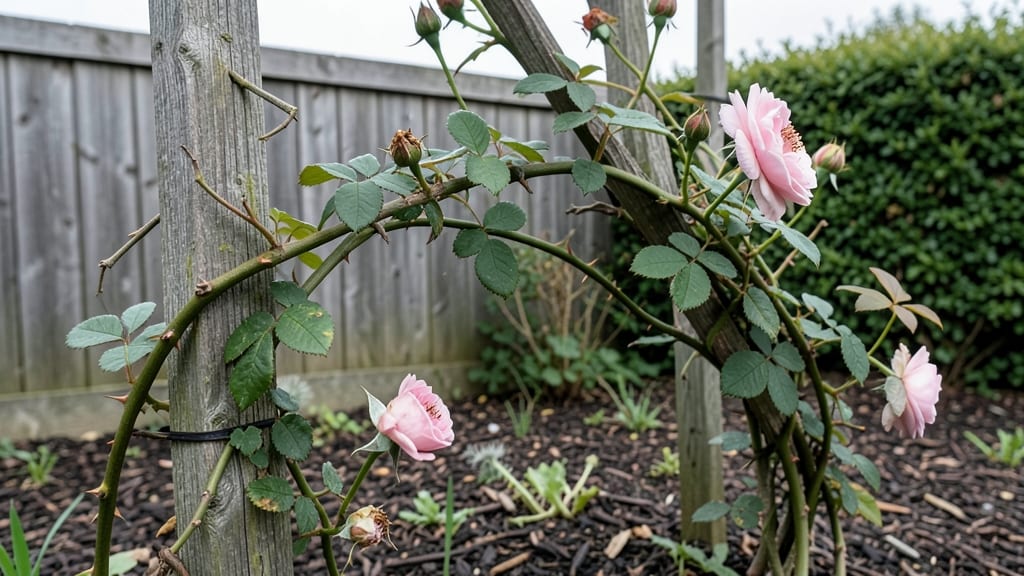
My climbing rose garden transformed a blank wall into a fragrant, flower-filled dream—just by choosing the right trellis and varieties. 🌿 The secret lies in pairing the perfect support structure with roses that bloom from spring through frost, creating a living tapestry that changes color with each season.
Start with a sturdy trellis—wrought iron arches or wooden obelisks work best—and select roses that climb naturally, like 'New Dawn' or 'Blaze.' Space plants 3-4 feet apart to allow airflow, and weave in companion plants like clematis or jasmine for extra fragrance and texture.
The key is balancing height and spread so the roses don’t overpower the space.
By summer, you’ll have a vertical garden bursting with blooms—petals in shades of blush, crimson, and cream that perfume the air. The design isn’t just pretty; it’s functional too, saving ground space while adding drama. Just avoid overcrowding, and your roses will thrive for years.
Works in any yard, from small urban patios to sprawling backyards. Here’s how to make it happen without the guesswork—step by step.
📚 In This Guide
- What you need
- Instructions
- Tips and common mistakes
- Wrapping up and next steps
What you need
- ● Climbing Roses: 3–5 bare-root or potted climbing rose bushes (choose disease-resistant varieties like 'New Dawn,' 'Blaze,' or 'Zephirine Drouhin' for fragrance and vigor).
- ● Support Structures: Arbors (4–6 ft tall), trellises (6–10 ft), or pergolas (custom size).
- ● Strong garden twine or rose ties (50–100 ft, ¼-inch wide).
- ● Soil Amendments: Compost (2–3 cubic yards for 100 sq ft).
- ● Rose-specific fertilizer (balanced NPK, 10-10-10 or 5-10-5).
- ● Mulch (2–3 inches of shredded bark or pine needles).
- ● Planting Supplies: Garden trowel or spade.
- ● Pruning shears (bypass blades, sharp and sanitized).
- ● Watering can or hose with adjustable nozzle.
- ● Epsom salt (for magnesium boost, 1 lb per bush annually).
- ● Rose food (organic or synthetic, like Miracle-Gro Rose & Flower Food).
- ● Drip irrigation system (to automate watering).
- ● Decorative stakes or obelisks (for smaller spaces).
- ● Fragrant companion plants (lavender, jasmine, or clematis for layered scent).
Step-by-step guide to designing a stunning climbing rose garden
Transform your space with vertical elegance—here’s how to create a fragrant, seasonal rose display that thrives.
🪴 Step 1: Choose the Perfect Location and Supports
Climbing roses need 6-8 hours of direct sun daily, so select a south- or west-facing spot. I always check for afternoon shade—too much heat can scorch petals. Install sturdy trellises, arches, or pergolas now, using 4-foot-tall posts for stability. Avoid flimsy wire supports; roses grow heavy with blooms.
For a romantic look, I weave roses through arches or train them up a pergola. Space supports 6-8 feet apart to allow airflow and easy maintenance. If your garden has wind, add guy wires to prevent swaying, which can damage stems.
🌱 Step 2: Prepare the Soil for Thriving Roses
Climbing roses love rich, well-draining soil with a slightly acidic pH (6.0-6.5). Work in 3-4 inches of compost and a handful of balanced fertilizer (10-10-10) into the top 12 inches of soil. Roses hate soggy roots, so amend heavy clay with 1 part perlite to 3 parts soil.
Dig a hole twice as wide as the root ball but no deeper. Loosen the roots gently before planting—this encourages them to spread outward. Mix a handful of mycorrhizal fungi into the planting hole to boost root health. I always water the hole thoroughly before placing the rose.
☀️ Step 3: Plant Roses for Optimal Growth and Blooms
Position the rose so the graft union (the swollen bump near the base) sits 2-3 inches above soil level. This prevents root suckers from forming below the graft. Backfill with soil, tamping lightly to remove air pockets. Water deeply to settle the roots.
Stake the rose immediately with a 5-foot bamboo or metal stake, tying the main stem loosely to prevent rubbing. I use soft plant ties to avoid damaging the bark. Prune any dead or damaged stems now, and cut back remaining stems by one-third to encourage bushier growth.
💧 Step 4: Water and Mulch for Season-Long Success
Water newly planted roses deeply 2-3 times per week until established. Check soil moisture by sticking your finger 2 inches down—if it’s dry, water again. Mulch with 2-3 inches of organic mulch (like shredded bark) to retain moisture and suppress weeds.
Fertilize every 4-6 weeks during growing season with a rose-specific formula (high in phosphorus for blooms). Deadhead spent blooms regularly—this redirects energy to new flowers. I prune lightly after each flush of blooms to maintain shape and encourage repeat flowering.
✂️ Step 5: Prune and Maintain for Year-Round Beauty
Prune in late winter or early spring to shape the rose and remove old wood. Cut back one-third of the oldest canes to the ground, and thin out crowded stems. Always make cuts at a 45-degree angle just above an outward-facing bud.
Watch for pests like aphids or black spot—spray with neem oil at the first sign. Train new growth along the support, tying stems loosely every 6-8 inches to prevent flopping. With consistent care, your climbing roses will reward you with fragrant blooms from early summer until frost.
Tips & tricks for perfect climbing rose garden design
These practical insights will help you avoid common pitfalls and create a thriving vertical rose display that lasts all season.
Sunlight Strategy: While climbing roses need 6-8 hours of direct sun daily, don't overlook morning sun—it's gentler than afternoon heat. I've found that east-facing locations often provide ideal conditions without the risk of afternoon scorching. If your space only gets partial sun, choose varieties like 'New Dawn' or 'Blaze' that tolerate lighter conditions better.
Support System: The 4-foot-tall posts mentioned are just the beginning—think about the long-term weight of your roses. For heavy bloomers like 'Zephirine Drouhin', consider adding cross-bracing to your trellis or arch. I always install guy wires immediately after planting, even in calm areas, because wind can damage stems when they're still establishing roots.
Soil Preparation: That 3-4 inches of compost and 12-inch soil amendment isn't just about nutrients—it's about creating the right environment for roots. I recommend adding a handful of sand to your clay-heavy soils (1 part sand to 3 parts soil) to improve drainage. This prevents root rot, which is the #1 killer of climbing roses. For sandy soils, add extra compost to help retain moisture.
Planting Depth: Getting that graft union positioned 2-3 inches above soil level is crucial—it prevents root suckers from forming below the graft. I've seen many gardeners bury it too deep, which leads to weak growth. Use a small stake to mark your desired depth before planting, and double-check after backfilling. This small step makes all the difference in maintaining your rose's hybrid vigor.
Pro Tips for Climbing Rose Garden
- These practical insights will help you avoid common pitfalls and create a thriving vertical rose display that lasts all season.
- Sunlight Strategy: While climbing roses need 6-8 hours of direct sun daily, don't overlook morning sun—it's gentler than afternoon heat.
- Support System: The 4-foot-tall posts mentioned are just the beginning—think about the long-term weight of your roses.
Frequently asked questions
Got questions about creating your dream climbing rose garden? We’ve got answers! Whether you’re a beginner or a seasoned gardener, these FAQs will help you navigate design, care, and troubleshooting with ease.
What’s the best time of year to plant climbing roses?
Plant climbing roses in early spring or fall when temperatures are mild (50–60°F). This gives roots time to establish before extreme heat or cold. Avoid planting in summer’s scorching heat—roots can dry out or struggle to adapt. If you must plant in summer, prioritize daily watering and shade.
How often should I water climbing roses?
Water deeply 1–2 times per week (more in extreme heat or drought). Aim for 1–1.5 inches of water per week, focusing on the root zone. Mulch (2–3 inches) helps retain moisture. Avoid overhead watering—it can spread disease. Early morning is the best time to water.
Do climbing roses need pruning? If so, when and how?
Yes! Prune twice a year: late winter/early spring (before new growth) to shape the plant and remove dead wood, and after flowering to encourage more blooms. Use clean, sharp pruners and cut at a 45-degree angle just above an outward-facing bud. Never prune in fall—it can stimulate tender growth vulnerable to frost.
What pests or diseases should I watch for in a climbing rose garden?
Common issues include aphids, spider mites, black spot fungus, and rose slugs. Prevent pests with neem oil or insecticidal soap. For diseases, ensure good airflow and avoid wetting foliage. Remove infected leaves immediately and sterilize pruners with rubbing alcohol. Resistant varieties (like ‘Knock Out’ roses) can reduce risks!
Can climbing roses grow on a fence, trellis, or arbor? What’s the best support?
Climbing roses thrive on strong, sturdy supports like arbors, trellises, or fences with horizontal wires or lattice. Avoid flimsy structures—they can’t support the weight. For vertical growth, train canes along the support using soft ties (like fabric strips) to avoid damaging bark. Tall varieties (like ‘New Dawn’) need 8–10 feet of support!
Wrapping up and next steps
A climbing rose garden isn’t just a dream—it’s a fragrant, vertical masterpiece waiting to unfold! 🌸 With the right design, care, and a touch of patience, you’ll transform any space into a romantic escape filled with season-long blooms.
Whether you’re a seasoned gardener or a curious beginner, the key is to start small, stay consistent, and let your creativity bloom.
Ready to turn your vision into reality? Pick a spot, gather your tools, and dive in! Your future garden—and its sweet, intoxicating scent—will thank you. Happy planting! 🌿✨