
Vegetables
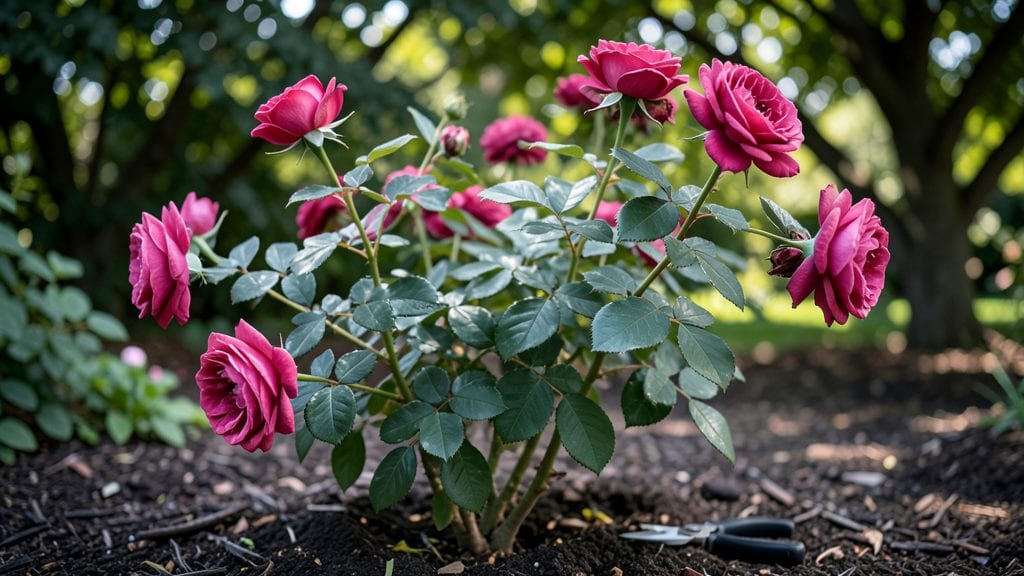
Kew Gardens' legendary Rosa Kew Gardens borders prove roses aren't just pretty—they're the backbone of a garden that smells like summer all year. 🌹 I first walked through those fragrant tunnels and immediately knew my own backyard needed this kind of drama.
The secret isn't just picking fancy roses; it's layering varieties that bloom from spring through frost, creating a living perfume machine.
These borders work because they're not just about roses—they're about thematic layers. Start with fragrant climbers like 'Gertrude Jekyll' for vertical interest, then add repeat bloomers like 'The Fairy' and 'Munstead Wood' for color.
The Kew team spaces them so no season feels bare, and the perennial underplantings (like lavender and catmint) keep things lush when roses take a break. Most people overlook how much the supporting cast matters.
What you end up with is a garden that feels like a five-star hotel lobby—always in bloom, always fragrant, always photogenic. The key is mixed heights and colors: tall roses at the back, mid-size varieties in the middle, and low-growing ground covers in front.
By late summer, you'll have bees buzzing, neighbors stopping to sniff, and a space that works as hard as you do. The best part? It starts with just a few well-chosen plants.
Perfect for small urban yards or sprawling estates—this design scales beautifully. The Kew Gardens approach proves roses don't need to be high-maintenance to be high-impact. Let's bring that magic home, one border at a time.
📚 In This Guide
- What you need
- Instructions
- Tips and common mistakes
- Wrapping up and next steps
What you need
- ● Perennial Roses: Choose 3–5 varieties for layered blooms (e.g., Rosa 'Gertrude Jekyll', 'The Fairy', or 'Munstead Wood'). Aim for 3–5 plants per variety for a lush border.
- ● Companion Perennials: 10–15 Alchemilla mollis (Lady’s Mantle) for texture and foliage.
- ● 8–10 Geranium macrorrhizum (Crawling Geranium) for ground cover.
- ● 5–7 Helleborus niger (Christmas Rose) for early winter blooms.
- ● 6–8 Nepeta 'Walker’s Low' (Catmint) for pollinator-friendly foliage.
- ● Soil Amendments: 2–3 bags of compost (for enriching soil).
- ● 1–2 bags of organic mulch (e.g., shredded bark or straw).
- ● Garden trowel (for planting small perennials).
- ● Garden fork or spade (for amending soil).
- ● Pruning shears (for shaping and maintenance).
- ● Watering can or hose with a gentle spray nozzle.
- ○ Optional: Soil pH tester (to ensure acidity levels, ideal for roses: 6.0–6.5).
- ● A sunny to partially shaded location (roses thrive in 6+ hours of sunlight).
- ● Well-draining soil (amend clay soil with sand or perlite if needed).
- ● Access to water (or a drip irrigation system for consistency).
- ● Pro Tip: 💡 Plan your border layout in advance—place taller plants (like roses) at the back and shorter perennials in front for a layered effect!
Step-by-Step guide to designing fragrant perennial borders inspired by Kew Gardens
Here’s how to create a lush, fragrant garden that blooms from spring through fall—just like Kew’s legendary rose borders.
🌱 Step 1: Plan Your Fragrant Layers for Season-Long Interest
Start by sketching your border with three distinct layers: tall roses at the back, mid-height perennials in the middle, and low-growing ground covers up front. At Kew, they layer roses like Rosa 'Gertrude Jekyll' with sweetly scented perennials like lavender and peonies. Choose roses that bloom repeatedly—Rosa 'The Fairy' and Rosa 'Cecile Brunner' are reliable fragrant picks.
Space roses 3-4 feet apart to allow airflow and prevent disease. Add climbing roses like Rosa 'New Dawn' along trellises or fences for vertical interest. I always include at least one dwarf rose (Rosa 'Fairy Tale') for edges or containers—it stays compact and fragrant all season. Mark planting spots with stakes to visualize the layout before digging.
☀️ Step 2: Prepare the Soil for Rich, Fragrant Growth
Test your soil’s pH—roses thrive in slightly acidic to neutral soil (6.0-7.0). If your soil is heavy clay, amend it with 3 inches of compost and 1 inch of coarse sand per 4-foot section of border. Kew’s borders use a mix of 50% topsoil, 30% compost, and 20% perlite for drainage and aeration.
Dig a trench 12 inches deep along the border line, then loosen the soil with a fork. Mix in 1 cup of bone meal per 4-foot section for phosphorus (which encourages root growth) and 1 tablespoon of Epsom salt per plant hole to boost magnesium. Water the area deeply before planting to settle the soil.
🪴 Step 3: Plant Roses and Companion Perennials for Fragrance Layers
Dig holes twice as wide as the root ball but no deeper—planting too deep suffocates roots. Place each rose in its hole, then backfill with soil, tapping gently to remove air pockets. Water immediately to help roots settle. For perennials, follow their spacing guidelines (e.g., 18 inches apart for peonies, 24 inches for lavender).
Pair roses with fragrant companions: dianthus (for early summer scent), salvia (for late summer), and Russian sage (for fall interest). I always add 1-2 thyme varieties at the base of roses—their creeping habit suppresses weeds and releases a light fragrance when brushed. Mulch with 2 inches of shredded bark to retain moisture and regulate soil temperature.
💧 Step 4: Water and Fertilize for Continuous Blooms
Water deeply twice weekly for the first month, then taper to once weekly once established. Roses need 1-1.5 inches of water per week, but adjust for rain—check soil 2 inches deep before watering. In hot climates, water in the early morning to reduce evaporation and fungal risks.
Fertilize roses every 6 weeks with a balanced rose fertilizer (10-10-10 or similar). Apply ½ cup per plant at the base, then water thoroughly. Stop fertilizing after mid-summer to encourage hardy growth before winter. For perennials, use a low-nitrogen fertilizer (5-10-10) in spring and again after blooming to support root development.
✂️ Step 5: Prune and Maintain for Year-Round Fragrance
Prune roses immediately after blooming to encourage repeat flowers. Cut back one-third of the oldest canes each year to rejuvenate the plant. For hybrid teas, remove spent blooms weekly to redirect energy to new flowers. Shape roses in early spring before buds swell—this is when they’re most resilient to pruning.
Deadhead perennials like lavender and salvia by cutting back one-third of the stems after flowering. This prevents seed formation and encourages a second flush of blooms. In fall, add a 2-inch layer of mulch to protect roots from freeze-thaw cycles. I also spray roses with neem oil in late summer to prevent pests—Kew’s borders stay lush because they prioritize prevention over treatment.
Tips & tricks for perfect fragrant perennial borders
Creating a fragrant perennial border inspired by Kew Gardens takes thoughtful planning—and these tips will help you avoid common pitfalls while maximizing beauty and scent.
Layering for Scent and Height: When planning your three layers in Step 1, consider the fragrance timeline. Place early bloomers like dianthus closer to walking paths so you can enjoy their scent immediately. Tall roses like Rosa 'Gertrude Jekyll' should be positioned where their fragrance can drift naturally toward seating areas. I like to sketch a quick fragrance map showing which plants bloom when—this ensures you always have something aromatic in the air.
Soil Preparation Secrets: In Step 2, don't skip the soil test—roses are particularly sensitive to pH. If your soil tests below 6.0, add pelletized lime at a rate of 5 pounds per 100 square feet and mix it into the top 6 inches of soil. For heavy clay soils, I've found adding 1 part coconut coir to the 50% topsoil/30% compost mix works even better than perlite for moisture retention while improving drainage.
Planting Precision: The "twice as wide" rule in Step 3 might seem tricky—here's how I do it: For a 3-gallon rose bush, dig a hole about 18 inches wide. Spread the roots gently in all directions before backfilling. When tapping the soil to remove air pockets, use the back of a shovel rather than your hands to avoid compacting the soil around roots. This creates better root-to-soil contact for faster establishment.
Fragrance-Boosting Companions: In Step 3, thyme isn't just a ground cover—it's a fragrance amplifier. Choose creeping thyme varieties like 'Elfin' for its intense lemon scent when brushed. You can also interplant French marigolds (which repel pests) and anise hyssop (with licorice-scented flowers) among your perennials. These plants will enhance both the visual appeal and aromatic experience of your border.
Pro Tips for Rosa Kew Gardens
- Creating a fragrant perennial border inspired by Kew Gardens takes thoughtful planning—and these tips will help you avoid common pitfalls while maximizing beauty and scent.
- Layering for Scent and Height: When planning your three layers in Step 1, consider the fragrance timeline.
- Soil Preparation Secrets: In Step 2, don't skip the soil test—roses are particularly sensitive to pH.
Frequently asked questions
What’s the best time of year to plant roses and perennials for a Kew-inspired border?
For Rosa Kew Gardens-style borders, plant bare-root roses in early spring (March–April) or container-grown roses in fall (September–October). Perennials thrive when planted in early spring or fall, avoiding extreme heat or frost. Check your USDA zone for precise timing!
How do I keep my roses and perennials thriving all season long?
Start with well-draining soil (amend with compost) and full sun (6+ hours/day) for roses. Mulch annually to retain moisture, and prune roses in late winter (remove dead wood, shape for airflow). Feed roses with rose-specific fertilizer in early spring and perennials with a balanced 10-10-10 blend.
Can I mix roses with vegetables or herbs in the same border?
While roses pair beautifully with fragrant herbs (lavender, rosemary, thyme) or edible flowers (nasturtiums, calendula), avoid planting them near competitive veggies like potatoes or corn. Stick to low-maintenance perennials (salvia, peonies, catmint) for a harmonious, low-odor border that won’t clash with your garden’s functionality.
What should I do if my roses get black spot or other diseases?
Black spot (dark spots on leaves) is common but treatable! Remove infected leaves immediately and prune for airflow. Spray with neem oil or fungicide preventatively in spring. For powdery mildew, water at the base (not overhead) and apply sulfur-based sprays. Always sterilize pruners with rubbing alcohol between cuts!
Are there low-maintenance alternatives to traditional roses for fragrant borders?
Try climbing clematis, wisteria, or jasmine for fragrance without roses’ fuss. For perennials, dame’s rocket, Russian sage, or bee balm offer color and scent with minimal upkeep. Ornamental grasses (like fountain grass) add texture and movement—perfect for a Rosa Kew Gardens-inspired look with less work!
Wrapping up and next steps
Creating fragrant perennial borders inspired by Rosa Kew Gardens is a rewarding way to elevate your garden’s beauty and charm. With the right roses, companion plants, and seasonal planning, you’ll enjoy vibrant blooms and intoxicating scents from spring through fall.
Whether you’re a seasoned gardener or just starting, this guide gives you the tools to craft a stunning, low-maintenance space that feels like a private sanctuary.
Ready to transform your outdoor oasis? Start small—pick one rose variety and a few companion plants—then expand as your confidence grows. Your garden’s best days are ahead! 🌸