
Vegetables
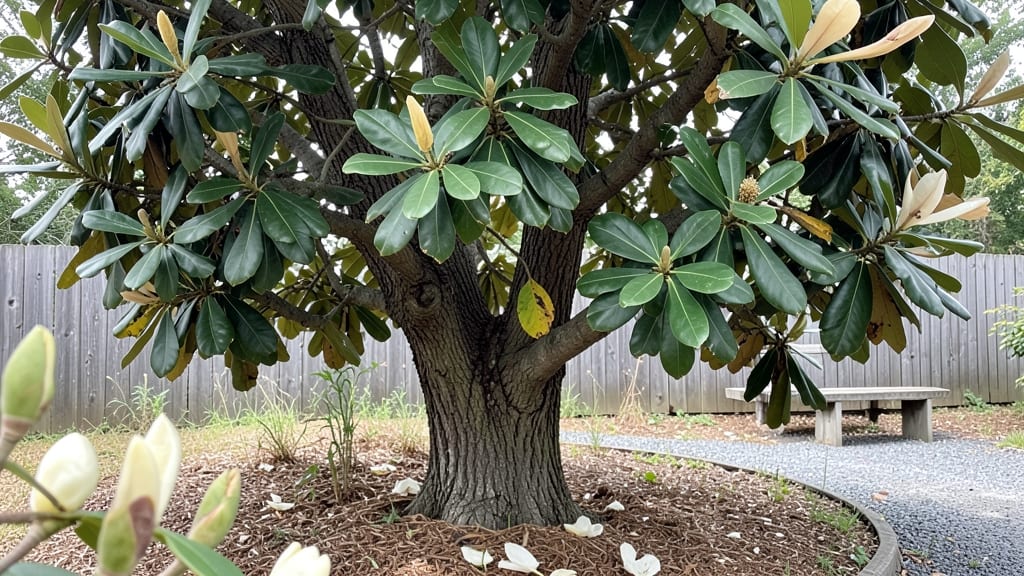
The Filoli Gardens-inspired Bay Area planting starts with seasonal layers that feel like stepping into a living painting. 🌿 I’ll never forget my first visit—the way the roses climbed the trellis while lavender spilled over stone walls, creating a scene that felt both timeless and effortlessly fresh.
The secret lies in combining historical landscaping with plants that thrive in our coastal climate, from drought-tolerant perennials to fragrant annuals that bloom year-round.
This approach isn’t about rigid rules—it’s about harmony. Think formal garden edges softened by cottage-style drifts of salvia and penstemon, or a seasonal display where winter’s hellebores give way to spring’s camellias and summer’s hydrangeas.
The key is repetition: group plants in odd-numbered clusters (threes or fives) and let them mingle naturally, just like Filoli’s historic beds. Even small spaces can borrow this magic with containers and layered borders.
What you’ll end up with is a garden that feels like a curated escape—textured foliage in winter, bursting color in spring, and fragrant evenings in summer. The best part?
These designs adapt to any Bay Area yard, whether it’s a sun-drenched slope or a shaded courtyard. Let’s bring that Filoli charm home, one seasonal layer at a time.
Start with a single focal point—a trellis, a stone path, or a specimen tree—and build outward. The historical gardens at Filoli prove that beauty thrives when plants and hardscaping work together like a well-rehearsed performance. Now, let’s pick your first act.
📚 In This Guide
- What you need
- Instructions
- Tips and common mistakes
- Wrapping up and next steps
What you need
- ● Seasonal Vegetables: Spring: Artichokes, peas, lettuce, radishes, kale (5-10 plants per type)
- ● Summer: Tomatoes (heirloom varieties), zucchini, basil, eggplant (3-5 plants per type)
- ● Fall/Winter: Cabbage, Brussels sprouts, carrots, garlic, spinach (5-8 plants per type)
- ● Companion Plants: Marigolds, nasturtiums, borage (10-15 plants total) for pest control and pollinators.
- ● Mulch: Straw or wood chips (2-3 inches, 10-15 sq. ft. per bed).
- ● Organic Fertilizer: Compost or worm castings (5 lbs per 10 sq. ft.).
- ● Hand Tools: Trowel (1)
- ● Pruners (1)
- ● Garden gloves (1 pair)
- ● Larger Tools: Garden fork (1)
- ● Rake (1)
- ○ Wheelbarrow (optional, for hauling mulch)
- ● Watering: Drip irrigation kit or hose with adjustable nozzle (20-30 ft. length).
- ● Location: Sunlight: 6+ hours daily (partial shade for lettuce/spinach). Drainage: Well-draining soil (amend with compost if needed).
- ● Soil Prep: Test soil pH (aim for 6.0-7.0) and adjust with lime or sulfur if necessary.
- ● Timing: Start seeds indoors 4-6 weeks before last frost (Bay Area: ~March) or direct-sow after frost.
How to create a Filoli-inspired Bay Area garden with seasonal layers
Filoli’s signature layered planting thrives in our coastal climate—here’s how to replicate it.
🌱 Step 1: Design for Year-Round Structure with Evergreens
Start with 4-6 mature evergreen shrubs as your foundational layer—Filoli uses Arctostaphylos (manzanita) and Ceanothus for their drought tolerance and coastal resilience. Plant them 8-12 feet apart to create a natural framework that holds shape even in winter. I recommend ‘Howard McMinn’ Ceanothus for its striking blue blooms and ‘Emerald Carpet’ Arctostaphylos for its low-growing, textured foliage.
Dig holes twice as wide as the root ball but only as deep. This prevents soil compaction around roots and encourages outward growth. Backfill with native soil mixed with 1 part compost to improve drainage—Filoli’s gardens rely on well-draining soil to prevent root rot in our wet winters. Water deeply immediately after planting to eliminate air pockets.
☀️ Step 2: Layer Perennials for Seasonal Interest
Add 6-8 perennial plants that bloom consecutively from spring through fall. Filoli’s borders feature Symphyotrichum (aster), Eschscholzia (California poppy), and Lavandula (lavender)—all of which thrive in our 6-8 hours of daily sun. Plant these 12-18 inches apart in front of your evergreens, ensuring taller varieties (like ‘Wood’s Purple’ aster) go toward the back.
I like to group plants by water needs—lavender and California poppies share drought tolerance, while astilbe and heuchera prefer consistent moisture. Mulch with 3 inches of wood chips to retain soil moisture and suppress weeds, but keep mulch 6 inches away from stems to prevent rot. This mimics Filoli’s organic, low-maintenance approach.
🌿 Step 3: Add Bulbs for Early and Late Season Color
Plant 10-15 bulbs per square foot of open space, focusing on Tulipa (tulips), Allium (ornamental onion), and Crocus for their ability to naturalize over time. Filoli’s gardens use these to extend the bloom season—tulips in early spring, allium in late spring, and crocus in fall. Plant bulbs 6-8 inches deep (twice their height) in well-draining soil to prevent rot during winter rains.
I always plant bulbs in clusters of 5-7, mimicking natural groupings. This creates a more dramatic display than scattered planting. After planting, water deeply but avoid overwatering—bulbs need time to establish roots before top growth appears. Mark their locations with biodegradable flags if you’re unsure where they’re planted.
✂️ Step 4: Incorporate Seasonal Annuals for Filler
Fill gaps with annuals like Nemesia, Lobelia, and Calendula in late winter to early spring, then swap them out for sunflowers and zinnias in summer. These provide quick color and texture while giving your perennials and bulbs time to establish. Plant annuals 6-12 inches apart, depending on their mature size, and water daily for the first week to help them establish.
Filoli’s gardens use annuals to highlight seasonal transitions—think purple nemesia in spring, golden calendula in summer, and deep red salvia in fall. I always choose varieties that attract pollinators, like ‘Benary’s Giant’ zinnias, to support local ecosystems. Deadhead spent blooms regularly to encourage continuous flowering.
💧 Step 5: Maintain with Seasonal Pruning and Watering
Prune evergreens lightly in late winter (before new growth) to shape them, and cut back perennials in early spring once new shoots appear. Filoli’s gardens avoid heavy pruning—just enough to maintain form and remove dead growth. Water deeply once a week in summer and reduce to every 2-3 weeks in winter, relying on our coastal fog for moisture.
I’ve found that drip irrigation (installed at the base of plants) is the most efficient way to water without over-saturating the soil. Mulch again in early spring to replenish lost organic matter and suppress weeds. This layered approach ensures your garden stays lush and low-maintenance, just like Filoli’s.
Tips & tricks for perfect Filoli-inspired Bay Area planting
A few strategic adjustments will help you replicate Filoli's signature layered look with minimal effort and maximum impact.
Foundation First: When planting your 4-6 evergreens in Step 1, consider their mature height and spread—Filoli's design relies on these shrubs creating a natural framework that holds shape year-round. I recommend placing taller varieties like 'Howard McMinn' Ceanothus toward the back of your planting area, while 'Emerald Carpet' Arctostaphylos can be positioned closer to the front. The key is to visualize how they'll look when fully grown, not just at planting time.
Sunlight Strategy: In Step 2, pay close attention to the 6-8 hours of daily sun requirement for your perennials. If your garden receives less sunlight, opt for varieties like Heuchera that tolerate partial shade. For sunnier spots, you can add a few extra hours of color with drought-tolerant plants like Lavandula. I've found that grouping plants with similar sun requirements creates a more cohesive look and reduces maintenance—just like Filoli's naturalistic approach.
Bulb Planting Precision: For Step 3, the 6-8 inch depth for bulbs might seem arbitrary, but it's crucial for preventing rot in our coastal climate. Use a bulb planter or even a long screwdriver to ensure consistent depth—this prevents water pooling around bulb necks during winter rains. I always plant tulips slightly deeper (8 inches) than crocus (5 inches) to account for their different growth habits. Marking locations with biodegradable flags helps track which bulbs you've planted where, especially when working in larger areas.
Seasonal Transition Hack: In Step 4, think of your annuals as the "chameleons" of your garden—they change with the seasons. I like to create a simple color wheel for my seasonal transitions: cool purples and blues for spring (Nemesia), warm yellows and oranges for summer (Calendula), and deep reds for fall (Salvia). This creates visual continuity while highlighting each season's unique character. Don't forget to deadhead regularly—this simple task can double your flowering time for many annual varieties.
Pro Tips for Filoli Gardens Bay Area
- A few strategic adjustments will help you replicate Filoli's signature layered look with minimal effort and maximum impact.
- Foundation First: When planting your 4-6 evergreens in Step 1, consider their mature height and spread—Filoli's design relies on these shrubs creating a natural framework that holds shape year-round.
- Sunlight Strategy: In Step 2, pay close attention to the 6-8 hours of daily sun requirement for your perennials.
Frequently asked questions
Got questions about creating your own Filoli Gardens-inspired Bay Area vegetable patch?
Here are answers to the most common ones—so you can dive in with confidence!
When is the best time to plant for year-round harvests like Filoli’s gardens?
The Bay Area’s mild climate lets you plant almost anytime! Start cool-season crops (kale, spinach, carrots) in early fall (Sept–Nov) and late winter (Jan–Feb). Warm-season veggies (tomatoes, peppers, beans) thrive in spring (March–May) and early summer (June–July). Succession planting every 2–3 weeks keeps harvests flowing!
Which Bay Area-friendly plants mimic Filoli’s historic vegetable gardens?
Filoli’s gardens featured heirloom varieties and drought-tolerant perennials. Try these Bay Area winners:
Prioritize native or adapted species like California poppies or yarrow for minimal water needs. Bay Area summers demand smart watering! Use drip irrigation or soaker hoses to deliver water slowly and deeply (1–1.5 inches per week, including rain). Mulch with wood chips or straw to retain moisture. Water early morning (5–9 AM) to reduce evaporation. Group plants with similar needs (e.g., succulents + herbs) to simplify care. Filoli’s gardens thrived on prevention and biodiversity! Try these tips:
Rotate crops yearly to break pest cycles—just like historic gardens did! Stock up at these local favorites:
Pro tip: Ask for open-pollinated or organic varieties to match Filoli’s historic ethos!
How do I water my Filoli-inspired garden in the Bay Area’s dry summers?
What’s the secret to keeping pests away without chemicals, like Filoli’s organic approach?
Where can I buy Filoli-inspired seeds or plants in the Bay Area?
Wrapping up and next steps
Inspired by the timeless elegance of Filoli Gardens, your Bay Area garden can flourish with seasonal layers that bring color, texture, and life to every season. 🌿 From fragrant roses and vibrant perennials to edible herbs and vegetables, these plant pairings ensure your outdoor space stays lush and dynamic year-round—whether you’re a seasoned gardener or just starting out.
Ready to transform your space? Start small: Pick one seasonal layer to plant this week, or sketch a simple layout inspired by Filoli’s harmonious design. Visit the gardens for inspiration, then roll up your sleeves—your future blooms (and homegrown veggies!) will thank you. 🌸