
Vegetables
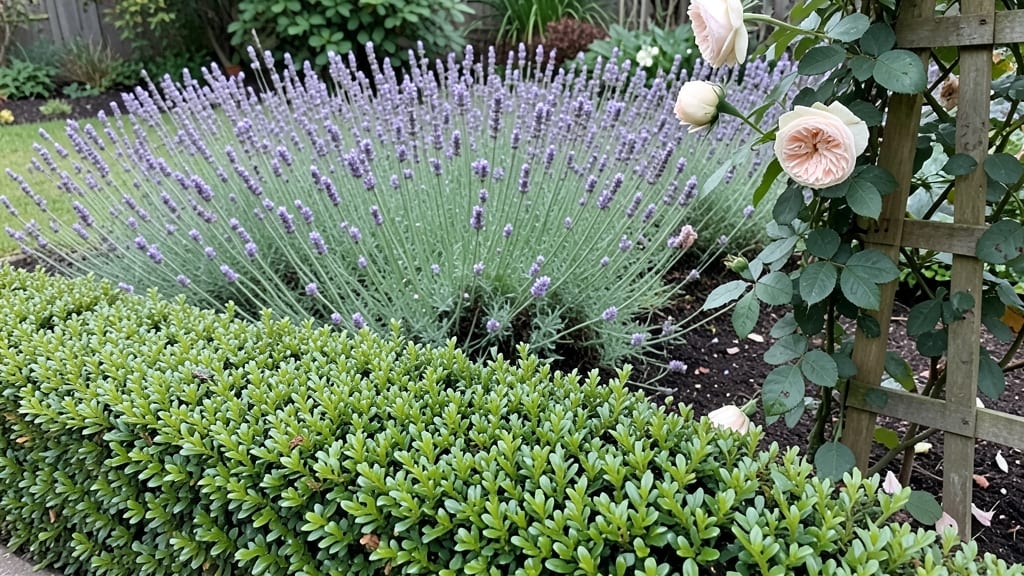
Historical gardens near me preserve centuries-old horticultural wisdom through rare plant collections, meticulously maintained landscapes, and seasonal planting traditions. To discover these hidden gems, check local historical societies or heritage tourism guides for verified locations and bloom schedules.
These gardens serve as botanical archives, where every path and planting bed tells a story of how humans have shaped flora over time. 🌿 Many feature heirloom varieties that modern nurseries have lost, along with climate-adapted techniques that can inspire today's gardeners.
For example, some colonial-era gardens used drought-resistant species that now inform sustainable landscaping practices.
What makes them especially valuable is their role in documenting plant evolution—many contain specimens that predate modern agricultural practices. Whether you're a history buff or a gardening enthusiast, visiting one offers a chance to see how seasonal planting strategies have evolved while still honoring their roots.
💡 In This Article
- How Historical Gardens Preserve Plant Heritage
- Seasonal Planting Tips From Historic Garden Archives
How historical gardens preserve plant heritage
Historical gardens act as botanical time machines, using scientific preservation techniques to maintain plant genetic purity. At their core, these gardens employ heirloom seed banking, where seeds are stored under controlled conditions (typically 35-40°F with 15-20% humidity) to prevent degradation over decades.
The International Seed Vault in Svalbard serves as a model, but many local gardens use simpler methods like clay-based seed storage that dates back to ancient Mesopotamia.
The key to their success lies in climate-adapted planting zones that mirror historical growing conditions. For example, the Lewis Ginter Botanical Garden in Virginia maintains 18th-century colonial plantings using soil amendments from that era, like crushed oyster shells for calcium.
These gardens also track phenological shifts—the timing of seasonal events like blooming—documenting how climate change affects plants over centuries. 🌱 What's fascinating is how they've preserved microclimates within their borders, creating niches where rare species thrive despite modern weather patterns.
Propagation techniques form another critical layer of preservation. Many historical gardens use traditional grafting methods that date back to ancient China and Rome, where skilled horticulturists could create hybrid plants with specific traits.
The Mount Vernon Estate demonstrates this with its Washington apple trees, propagated through whip-and-tongue grafting to maintain the exact genetic lineage. This method ensures plants retain their historical characteristics while adapting to current conditions—a perfect balance between preservation and evolution.
These gardens also serve as living laboratories for plant evolution. By maintaining genetic diversity through open-pollination practices (rather than hybrid seeds), they allow natural selection to occur over generations.
The Longwood Gardens in Pennsylvania tracks how peony varieties have subtly changed over 200 years of cultivation, documenting evolutionary shifts in flower size and fragrance. This long-term data helps scientists understand how plants adapt to environmental pressures.
Modern challenges require creative adaptations. Many gardens now use digital seed catalogs alongside physical banks, while some implement controlled pollination chambers to maintain purity in threatened species.
The Shaker Village of Pleasant Hill combines 19th-century herb gardens with modern hydroponics to preserve medicinal plants while making them accessible to contemporary gardeners. This fusion of old and new techniques ensures these botanical archives remain relevant in today's world.
What's most inspiring is how these methods create a feedback loop between past and present. By studying historical planting records, modern gardeners can rediscover drought-resistant varieties from the 1850s or cold-hardy crops from 17th-century New England—solutions that work beautifully in today's climate-challenged landscapes.
The preservation isn't just about keeping plants alive; it's about keeping their stories—and their potential—alive for future generations. 💫