
Featured
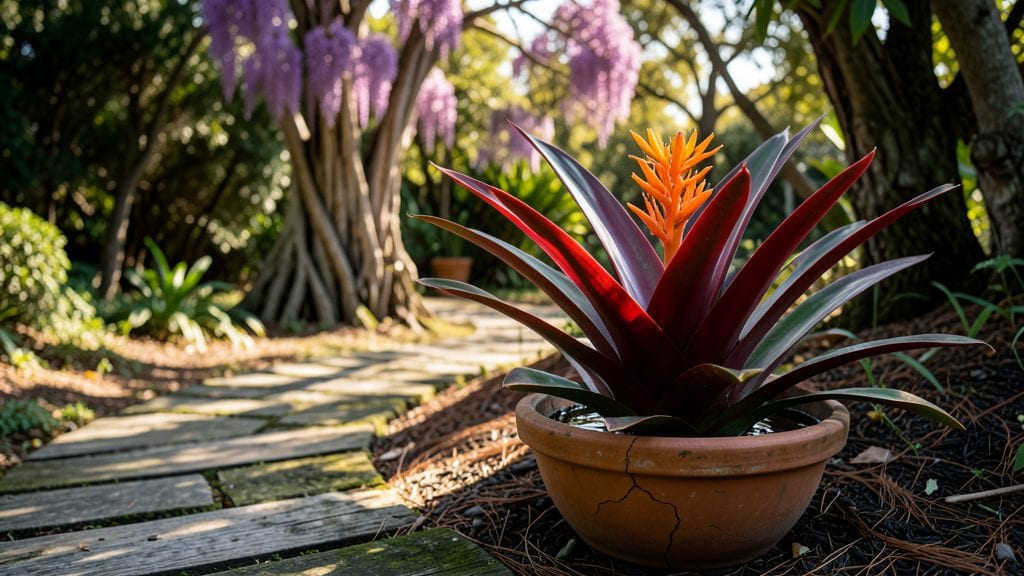
The Curitiba Botanical Garden is a sprawling 37-hectare paradise housing over 4,500 plant species, including rare orchids, bromeliads, and a breathtaking Japanese garden. Its glasshouses shelter tropical giants like Victoria amazonica, while daily access makes it a UNESCO-recognized gem in southern Brazil's lush landscape.
The Curitiba Botanical Garden isn't just a green space—it's a living laboratory where conservation meets artistry. 🌿 The tropical glasshouses, for example, create microclimates that protect delicate species like the giant water lily, while the Japanese garden offers serene contrast to the surrounding biodiversity.
What makes it truly special is how it blends scientific research with public accessibility, ensuring visitors leave with both visual inspiration and ecological awareness.
Beyond the famous highlights, the garden's lesser-known trails wind through native Brazilian flora, showcasing how Curitiba's subtropical climate nurtures unique plant adaptations.
Whether you're tracking rare orchids or simply soaking in the tranquility of the Japanese garden, every corner reveals why this UNESCO site ranks among Brazil's most vital green treasures.
💡 In This Article
- Biodiversity Hotspots Inside Curitiba Botanical Garden
- Best Times and Tips for Visiting Curitiba’s Botanical Wonder
Biodiversity hotspots inside Curitiba botanical garden
Curitiba's subtropical climate creates the perfect conditions for a biodiversity explosion, with average temperatures between 15-25°C (59-77°F) and 1,500mm of annual rainfall supporting over 4,500 plant species. The garden's conservation team has identified three critical ecological zones that demonstrate this natural diversity in action.
Here's what makes each zone unique: the tropical glasshouses maintain 80-90% humidity to protect species like the Victoria amazonica, while the native Brazilian section showcases plants adapted to Curitiba's seasonal variations.
The Japanese garden stands as a cultural bridge, featuring 200-year-old bonsai trees and koi ponds that contrast with the surrounding native flora. This 1,200-square-meter section demonstrates how different horticultural traditions can coexist, with its meticulously raked gravel patterns and carefully pruned maples.
The garden's research team uses this space to study cross-pollination patterns between native Brazilian and introduced Asian species, revealing how climate change might affect these interactions in the future.
What's particularly fascinating is how the glasshouses create microclimates that mimic tropical rainforests. The largest greenhouse maintains 28°C (82°F) year-round with 95% humidity, allowing species like the Victoria amazonica to grow leaves up to 2 meters (6.5 feet) wide.
These conditions are crucial for preserving endangered species that would otherwise struggle in Curitiba's natural climate. The garden's botanists monitor CO₂ levels at 1,200 ppm—higher than outdoor levels—to accelerate growth rates for propagation.
The native Brazilian section reveals how plants have adapted to Curitiba's distinct wet and dry seasons. Species like the bromeliad have developed water-storing leaves that can hold up to 5 liters of water, while the orchid family here has evolved specialized pollination relationships with local hummingbirds.
The garden's conservation program has successfully reintroduced 12 endangered orchid species to nearby protected areas using tissue culture techniques in their labs.
Beyond preservation, the garden serves as a living laboratory for ecological research. Scientists here study plant-pathogen interactions in the glasshouses, where controlled conditions allow them to observe disease progression without external variables.
The Japanese garden's water management system also provides valuable data on sustainable landscaping techniques that could be applied to urban areas facing water shortages.
The most surprising discovery might be how the garden's soil composition varies by section. The tropical glasshouses use a peat-based mix to retain moisture, while the Japanese garden employs volcanic sand for drainage.
Native Brazilian areas feature laterite soil rich in iron oxides, which gives the plants their distinctive reddish hues. These variations create microhabitats that support different species within just 50 meters of each other, demonstrating nature's complexity.
What most visitors don't realize is that 20% of the garden's collection consists of plants used in traditional Brazilian medicine. The research team has documented over 300 medicinal species, including arnica for pain relief and aloe vera for skin treatments.
This dual role as both conservation area and pharmaceutical resource makes the garden uniquely valuable to both scientists and local communities. 🌱