
Landscaping
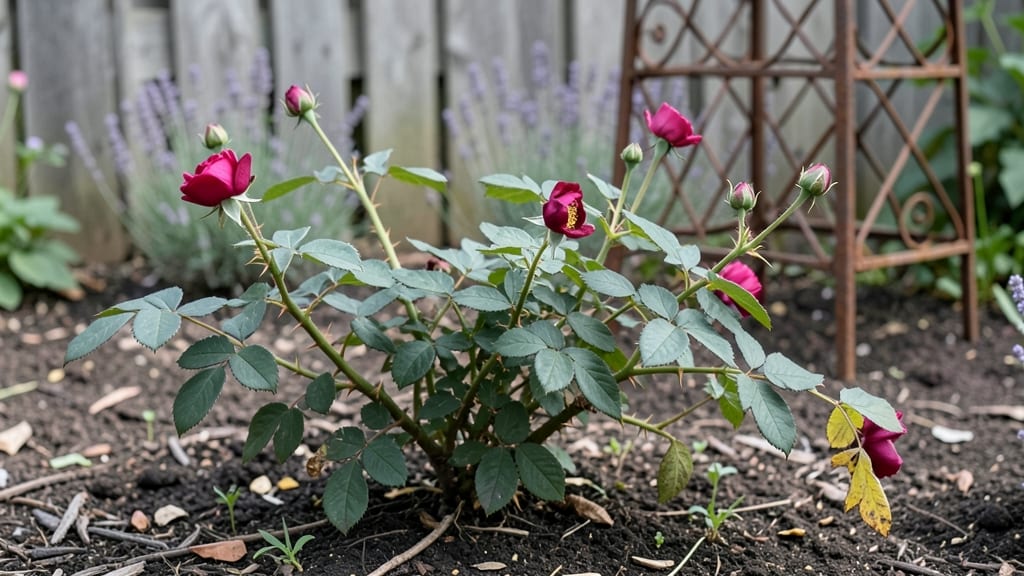
Creating an English cottage garden landscaping design feels like painting with living colors—each plant a brushstroke in a scene that changes with every season. 🌿 The key isn't just planting flowers; it's weaving them into layers that tell a story, from rambling roses over arbors to lavender swaying along winding paths.
I learned the hard way that cottage gardens thrive on spontaneity, but even the most chaotic-looking plots need a few guiding principles to keep them magical year-round.
The charm comes from mixing heights, textures, and blooming times—tall delphiniums behind shrub roses, spiky grasses framing a stone bench, and climbing clematis spilling over rustic trellises.
You don’t need a sprawling yard; even a small space can feel like a storybook corner with the right plant pairings and a few well-placed hardscape features. Think uneven flagstone paths, a weathered wooden gate, and maybe a birdbath that doubles as a focal point.
The goal is to make every corner feel like an invitation to linger.
What you’ll end up with is a garden that smells like honey and rain, where every visit reveals something new—spring’s blush of tulips, summer’s riot of peonies, autumn’s golden asters, and winter’s bare branches dusted with frost.
The best part? It grows more enchanting with each passing season, as if the plants themselves are conspiring to create something timeless. The secret lies in letting nature take the lead while you provide the stage.
This style works anywhere—urban backyards, rural plots, or even container gardens on a patio—so long as you embrace the mix of wild and cultivated. Now, let’s talk about how to layer those plants and paths to make your garden feel like a cherished memory waiting to unfold.
📚 In This Guide
- What you need
- Instructions
- Tips and common mistakes
- Wrapping up and next steps
What you need
- ● Topsoil or compost: 4–6 cubic yards (depending on garden size) – enriches soil for healthy plants.
- ● Mulch (cedar or straw): 2–3 bags – retains moisture and adds texture.
- ● Gravel or pebbles: 1–2 bags – defines paths and borders with a cottage feel.
- ● Natural stone or brick: 10–20 pieces (varies by design) – for pathways, edging, or focal points.
- ● Perennials & annuals: Roses (climbing & shrub): 5–10 plants
- ● Lavender, peonies, foxgloves, delphiniums: 10–15 plants
- ● Pansies, sweet peas, marigolds: 20–30 plants (for seasonal bursts)
- ● Ornamental grasses: 3–5 plants (e.g., fountain grass, feather reed grass).
- ● Vines (clematis, honeysuckle, wisteria): 3–5 plants – for trellises and arches.
- ● Trellises, arbors, or obelisks: 2–4 pieces – adds vertical interest.
- ○ Birdbath or small pond (optional): 1–2 pieces – attracts wildlife and adds charm.
- ● Weathered pots or vintage containers: 5–10 pieces – for herbs or seasonal blooms.
- ● Garden shovel & spade: 1 each – for digging and planting.
- ● Garden fork: 1 – aerates soil.
- ● Pruners (bypass & anvil): 1 each – for clean cuts.
- ● Hand trowel: 1 – precision planting.
- ● Wheelbarrow: 1 – hauls soil and materials.
- ● Garden hose with spray nozzle: 1 – for watering.
- ● Measuring tape & string: 1 each – marks layouts.
- ● Garden gloves: 1 pair – protects hands.
- ○ Optional: Lawnmower (for larger areas), edging tool, or a wheelbarrow with a dump bed.
- ● ✅ Sunlight assessment: Most cottage plants thrive in partial sun to full sun (6+ hours/day).
- ● ✅ Soil test: Check pH (6.0–7.0 ideal) and amend if needed.
- ● ✅ Water source: Ensure easy access for regular watering.
- ● ✅ Design sketch: Plan pathways, plant groupings, and focal points.
- ● ✅ Seasonal timing: Spring: Best for planting perennials and bulbs.
- ● Fall: Ideal for dividing plants and prepping soil.
Instructions for creating your own English cottage garden
This is where the magic happens—layered plants, winding paths, and seasonal surprises that feel like stepping into a storybook.
🌿 Step 1: Plan Your Whimsical Layout
Start by sketching a rough design on paper. English cottage gardens thrive on asymmetry, so don’t stress about perfect lines. I like to divide the space into three layers: tall plants at the back (like delphiniums or hollyhocks), mid-height perennials (such as lavender or peonies), and low-growing ground covers (like ajuga or creeping thyme) in front.
Add winding paths—narrow gravel or stepping stones work best—to create cozy nooks. Place a few focal points like an old wooden bench, a birdbath, or a small arbor draped with climbing roses. These details make the garden feel lived-in and inviting. Think of it as arranging a still-life painting where every element has its own space to shine.
🪴 Step 2: Prepare the Soil for Rich, Diverse Planting
English cottage gardens love well-draining, nutrient-rich soil. If your soil is heavy clay or sandy, mix in 2-3 inches of compost and 1-2 inches of aged manure (like cow or horse manure) to improve fertility and structure. Work it into the top 6-8 inches of soil, breaking up any clumps.
For raised beds or containers, fill them with a mix of equal parts potting soil, compost, and perlite to ensure excellent drainage. The key here is to mimic the fertile, loamy soil of traditional cottage gardens. Don’t skip this step—healthy soil is the foundation of lush, vibrant plants that bloom season after season.
☀️ Step 3: Plant in Clusters for a Natural Look
Instead of planting in straight rows, group plants in odd-numbered clusters of 3, 5, or 7 for a more organic feel. For example, plant 3 lavender bushes together, then surround them with 5-7 salvia plants and a few creeping thyme in front. This creates depth and texture while making the garden feel full and inviting.
Mix perennial favorites like roses, foxgloves, and peonies with annuals such as sweet peas and nasturtiums for continuous color. Place taller plants toward the back and shorter ones in front, but don’t be afraid to let some plants spill over edges—it’s all part of the charm. Water deeply after planting to help roots establish.
✂️ Step 4: Add Seasonal Interest with Layered Planting
English cottage gardens shine because they offer something beautiful in every season. Plant early bloomers like crocuses and daffodils for spring, roses and hydrangeas for summer, asters and chrysanthemums for fall, and evergreens like boxwood or holly for winter structure. I like to include a few ornamental grasses for movement and texture.
Don’t forget to add climbing plants like clematis or honeysuckle to trellises or arbors for vertical interest. These vines will weave through the garden, creating a romantic, fairy-tale effect. Mulch with 2-3 inches of shredded bark or straw to retain moisture, suppress weeds, and keep the garden looking tidy without sacrificing its natural charm.
💧 Step 5: Maintain with Gentle Care
Water deeply 1-2 times per week, depending on rainfall, focusing on the base of plants to encourage strong root growth. English cottage gardens are resilient, but they do best with consistent moisture—especially during dry spells. Avoid overhead watering to prevent fungal diseases like powdery mildew.
Prune spent blooms regularly to encourage more flowers and keep the garden looking neat. In late winter or early spring, cut back perennials that have died back, leaving 2-3 inches of stem to protect new growth. Add a fresh layer of mulch each fall to keep soil temperatures stable and feed the soil as it breaks down.
Tips & tricks for perfect English cottage garden landscaping
Creating a whimsical cottage garden takes more than just planting flowers—it's about crafting a living story. Here are my go-to tips to bring that storybook charm to life.
Layering Like a Pro: In Step 1, when sketching your layout, think vertically as well as horizontally. Taller plants like delphiniums should have room to grow 5-6 feet tall, so place them at least 3 feet from your garden's edges. This prevents them from shading out lower plants and creates that magical layered effect that makes cottage gardens so special. I always sketch my design to scale first—it saves so much rearranging later!
Soil Secret: Step 2's soil prep is where you set the foundation for success. If you're working with heavy clay, don't just add compost—mix in some coarse sand (about 1 part sand to 3 parts soil) to improve drainage. For containers, I've found that adding a handful of worm castings to the potting soil mix gives plants an extra nutrient boost. The key is creating that loose, crumbly texture that holds moisture but doesn't stay soggy.
Planting Psychology: When you're placing those odd-numbered clusters in Step 3, remember the "rule of three" isn't just about aesthetics—it's about plant health too. Groups of three create natural windbreaks that protect smaller plants from harsh winds. I like to place my most fragrant plants (like lavender or roses) in these clusters so their scents can mingle beautifully when you walk through the garden. And don't be afraid to mix heights within clusters—it adds that organic, lived-in look.
Seasonal Storytelling: For Step 4's layered planting, I create a simple chart with four columns: spring, summer, fall, winter. Then I assign plants to each season, making sure there's always something blooming or interesting. For example, I'll plant winter aconites for early spring color, then add hellebores that bloom through winter into early spring. This ensures your garden always has a star. Think of each season as a chapter in your garden's story!
Pro Tips for English Cottage Garden Landscaping
- Creating a whimsical cottage garden takes more than just planting flowers—it's about crafting a living story.
- Layering Like a Pro: In Step 1, when sketching your layout, think vertically as well as horizontally.
- Soil Secret: Step 2's soil prep is where you set the foundation for success.
Frequently asked questions
Got questions about crafting your dream English cottage garden landscaping? You’re not alone! Here are answers to the most common queries—from planning to upkeep—to help you bring that cozy, romantic charm to life.
What’s the best time of year to start an English cottage garden?
Spring is ideal for planting perennials and shrubs, while fall is perfect for bulbs and early bloomers. However, you can start any time—just adjust your plant choices! For example, cool-season plants (like pansies or hellebores) thrive in early spring or fall, while heat-loving roses or lavender need summer planting. Pro tip: Prioritize soil prep year-round for the best results!
Do I need a huge yard for an English cottage garden?
Absolutely not! These gardens thrive in containers, raised beds, or even small balconies. Opt for vertical gardening (trellises, hanging baskets) and compact perennials (like miniature roses or dwarf boxwood) to maximize charm in tight spaces. Even a window box with sweet alyssum and geraniums captures the cottage vibe!
How do I keep my cottage garden looking lush without constant work?
Embrace low-maintenance plants like lavender, peonies, and ornamental grasses—they’re hardy and bloom prolifically. Mulch generously (2–3 inches) to suppress weeds and retain moisture. Deadhead spent blooms occasionally to encourage reblooming, but don’t stress perfection—cottage gardens embrace a slightly wild, layered look!
What are some budget-friendly alternatives to traditional cottage garden plants?
Skip pricey heirloom roses or rare perennials—opt for affordable, resilient plants like:
- Black-eyed Susans (golden, long-blooming)
- Coneflowers (drought-tolerant, pollinator magnets)
- Daylilies (come back yearly, vibrant colors)
- Self-seeding annuals (like cosmos or nasturtiums)
Why do some plants in my cottage garden look leggy or sparse?
Leggy growth often signals lack of sunlight or overcrowding. Most cottage garden favorites (like roses, delphiniums, or foxgloves) need 6+ hours of sun daily. If space is tight, thin out plants to improve airflow and fertilize lightly in spring. Prune selectively to encourage bushier growth—cut back by ⅓ in early spring for woody plants.
Wrapping up and next steps
Creating an English cottage garden is all about embracing nature’s whimsy—layered plants, cozy textures, and seasonal surprises that feel like a warm hug from your backyard. 🌸 Whether you’re adding climbing roses, a rustic stone path, or a wildflower meadow, the key is to let your creativity bloom (literally!).
Start small, experiment with what thrives in your space, and don’t forget to enjoy the process.
Ready to transform your outdoor space? Pick one corner of your garden this weekend—plant a few perennials, hang a bird feeder, or sketch a winding path. Every little step brings you closer to that dreamy, timeless charm. Happy gardening! 🌿