
Shrubs
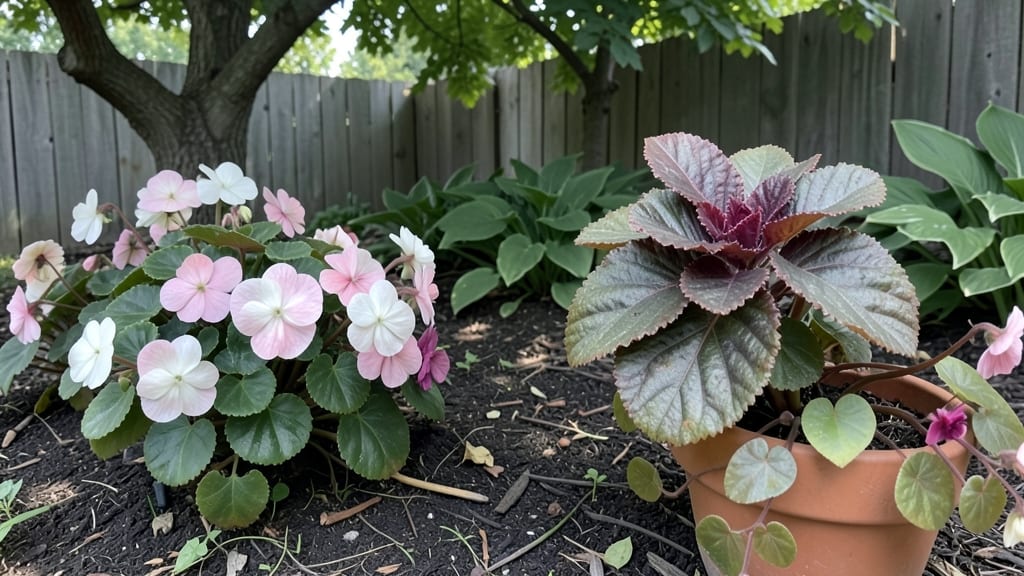
My shade garden finally feels alive with bold begonias thriving where nothing else would grow. 🌿 These plants turn dull corners into vibrant spots with their velvety leaves and striking colors—some deep purple, others lime green or even black—all while demanding almost no sunlight.
The key is choosing the right varieties for your light conditions, whether it's dappled shade or deep woodland gloom.
You don’t need fancy setups—just well-draining soil and a spot with at least a few hours of filtered light. I’ve found that tuberous begonias add height with their cascading blooms, while rex begonias bring textural drama with their ruffled, patterned leaves.
Mix them with ferns, hostas, and astilbes for a layered look that feels lush and intentional, even in the shadiest spots.
By summer’s end, your garden will burst with color and texture that rivals full-sun displays. The foliage stays vibrant all season, and the plants reward you with minimal fuss—just occasional deadheading and protection from slugs.
Imagine a backdrop of deep greens and purples framing a patio or path, all while keeping your space cool and inviting.
Works equally well in containers for patios or along foundation plantings. The possibilities are endless once you see how these plants transform neglected corners into showstoppers. Let’s bring that shade garden to life!
📚 In This Guide
- What you need
- Instructions
- Tips and common mistakes
- Wrapping up and next steps
What you need
- ● Begonia plants: Choose tuberous, fibrous-rooted, or rex begonias (3–5 plants per 10 sq ft for full coverage). Opt for nursery-grown or healthy divisions.
- ● Well-draining potting mix or garden soil: 1–2 bags (5–10 cu ft) amended with peat moss or compost (50% mix ratio) for moisture retention.
- ● Containers or garden bed: Containers: 6–12" pots with drainage holes (1 pot per plant; 1–2 plants per 10" pot).
- ● Garden beds: Partial-shade spots with 4+ hours of dappled light and 6–8 hours of shade.
- ● Organic mulch: 2–3" layer of pine bark, shredded leaves, or coconut coir to retain moisture and suppress weeds.
- ● Watering can or hose with gentle spray: For consistent moisture (avoid soggy soil).
- ● Balanced fertilizer: 10–10–10 or slow-release granules (1 tbsp per plant every 4–6 weeks during growing season).
- ● Slow-release fertilizer spikes: For hassle-free feeding.
- ● Decorative stones or pebbles: To enhance drainage and aesthetics in containers.
- ● Garden gloves: To protect hands while handling soil or delicate foliage.
- ● Pruning shears: For trimming leggy stems or dead leaves.
- ● Shade cloth (30–50% coverage): If your garden gets too much indirect light.
Step-by-Step guide to planting begonias in shade gardens
Here's how to create a stunning, low-light garden with begonias that stay vibrant all season.
🪴 Step 1: Prepare Your Shade Garden Beds
Begonias thrive in partial to full shade, so choose a spot with 4-6 hours of dappled sunlight or morning sun with afternoon shade. Clear the area of weeds and rocks, then loosen the soil to a depth of 6 inches—begonias hate compacted roots. If your soil drains poorly, mix in 2-3 inches of compost or peat moss to improve aeration and moisture retention.
I always test my soil's moisture level by pressing my finger 1 inch deep—if it feels dry, water thoroughly before planting. Begonias prefer consistently moist (but not soggy) soil, so good drainage is key. If your garden sits in a low spot, consider planting in raised beds or elevated containers to prevent waterlogging.
🌱 Step 2: Plant Begonias at the Right Depth and Spacing
Dig holes twice as wide as the begonias' root balls but only as deep as the top of the root ball. Begonias planted too deep will rot, while those too shallow struggle to establish. Gently remove each plant from its container, tease apart any circling roots, and place it in the hole so the crown sits just above soil level. This prevents rot while allowing foliage to dry quickly after watering.
Space tuberous begonias 12-18 inches apart and fibrous-rooted types 10-12 inches apart. Crowding leads to weak stems and poor airflow, which invites fungal diseases. After backfilling, press the soil lightly around the base—just enough to eliminate air pockets but not compact it. Water immediately to settle the soil and eliminate gaps.
💧 Step 3: Water and Mulch for Consistent Moisture
Water deeply right after planting to encourage roots to spread downward. Begonias need 1-1.5 inches of water per week, but never let them sit in soggy soil. I water in the early morning so foliage dries by evening—this prevents mildew. Check moisture by pressing your finger 1 inch deep; if it feels dry, water again.
Spread 2-3 inches of mulch (like shredded bark or pine needles) around each plant, keeping it 2 inches away from stems to prevent rot. Mulch locks in moisture and keeps roots cool in hot shade. Replenish mulch as it breaks down—this is especially important in hot, dry shade where soil dries out faster than you'd expect.
✂️ Step 4: Maintain with Pruning and Fertilizing
Pinch back leggy stems when plants are 6-8 inches tall to encourage bushier growth. Remove any yellow or diseased leaves immediately—begonias are sensitive to fungal issues in humid shade. I also deadhead spent blooms to redirect energy into new foliage and flowers, not seed production.
Feed begonias with a balanced, water-soluble fertilizer (10-10-10) every 4-6 weeks during the growing season. Cut back to half-strength applications in late summer to avoid tender new growth before fall. If your begonias look pale or leggy, they need more light—try moving them to a slightly sunnier spot or thinning nearby plants.
☀️ Step 5: Protect and Overwinter (If Needed)
In USDA Zones 8-10, tuberous begonias stay dormant in winter. After the first frost, cut back foliage to 2 inches above the soil, then cover the bed with 4-6 inches of mulch. In colder zones, dig up tubers, let them dry for a week, then store in a cool, dry place (50-60°F) until spring.
Fibrous begonias are often perennial in mild climates. If frost threatens, protect them with burlap wraps or move containers to a sheltered spot. Next spring, remove old mulch, refresh the soil with compost, and watch for new growth—this is your cue to resume regular care.
Tips & tricks for perfect Begonia planting in shade gardens
Here's what I've learned after years of growing begonias in low-light spots—these tricks help your plants thrive where others fail.
Soil Prep Secret: In Step 1, don't just loosen the soil—add a handful of perlite to that 2-3 inches of compost or peat moss. This creates tiny air pockets that prevent waterlogging, which is especially critical in shade where soil stays damp longer. I've seen begonias rot in heavy clay soil even with good drainage—this extra step makes all the difference.
Planting Depth Cue: When placing your begonias in Step 2, imagine the crown sitting at the soil line like a tiny hill. If you're unsure, place the plant in the hole, fill halfway, then check—your fingers should feel the crown just peeking above the soil. This simple visual trick prevents both rot and stunted growth, two of the most common mistakes.
Watering Wisdom: That 1-1.5 inches of water per week in Step 3 is a guideline, but timing matters more. I've found that watering in the early morning gives foliage time to dry completely before evening humidity sets in. This prevents the dreaded powdery mildew that plagues begonias in shade gardens. And always water at the base—wetting leaves creates perfect conditions for fungal problems.
Fertilizer Timing: The 4-6 week feeding schedule in Step 4 works, but I've learned to adjust based on leaf color. If your begonias look pale green (not the rich, deep green they should be), they need more light or fertilizer. I switch to half-strength applications starting in late August to toughen plants before fall—this small adjustment prevents winter damage in marginal climates.
Pro Tips for Begonias For Shade Gardens
- Here's what I've learned after years of growing begonias in low-light spots—these tricks help your plants thrive where others fail.
- Soil Prep Secret: In Step 1, don't just loosen the soil—add a handful of perlite to that 2-3 inches of compost or peat moss.
- Planting Depth Cue: When placing your begonias in Step 2, imagine the crown sitting at the soil line like a tiny hill.
Frequently asked questions
Got questions about growing begonias in shade gardens?
You’re not alone! Here are answers to the most common concerns—from planting tips to troubleshooting—so you can keep your shade garden thriving with stunning begonia foliage.
What’s the best time of year to plant begonias in shade gardens?
Plant tuberous begonias in spring after the last frost (typically April–May in most zones) or fibrous-rooted types in early spring or late summer. Avoid planting in hot summer months—they prefer cooler temperatures (60–75°F) and can struggle in intense heat. Pro tip: Use mulch to protect roots from temperature swings!
How often should I water begonias in shady areas?
Begonias love consistent moisture but hate soggy soil. Water 1–2 times per week (daily in extreme heat) and always check the top inch of soil—if it’s dry, it’s time to water. Container-grown begonias dry out faster, so monitor them closely. Troubleshooting: Yellow leaves? You might be overwatering—ensure pots have drainage holes!
Can begonias survive winter in shade gardens?
Most tender perennials (like tuberous begonias) won’t survive frost, but fibrous-rooted types (e.g., Begonia rex) may return in mild climates (Zones 9–11). In colder areas, dig up tubers in fall, store them dry in peat moss, and replant next spring. Alternative: Treat them as annuals for easy, seasonal color!
What pests or diseases should I watch for in shade-grown begonias?
Common issues include:
- Powdery mildew (white fungal spots): Improve airflow and avoid overhead watering.
- Aphids (sticky leaves): Spray with neem oil or blast off with water.
- Root rot (mushy stems): Ensure pots drain well and reduce watering.
Preventative tip: Space plants for airflow and remove diseased leaves promptly!
Are there begonias that tolerate very low light (like north-facing windows or deep shade)?
Try these low-light champions:
Variety
Light Needs
Bonus Traits
Begonia rex (e.g., 'Silver Ginger')
Deep shade to partial shade
Striking foliage; thrives indoors
Begonia boliviensis
Partial to full shade
Trailing habit; great for hanging baskets
Begonia dregei
Full shade
Unique purple-black leaves
Remember: Even shade-loving begonias appreciate bright indirect light for best growth!
Wrapping up and next steps
Begonias are the perfect shade garden superstars—they bring vibrant color, striking foliage, and effortless beauty to those tricky, low-light spots where other plants struggle.
Whether you’re drawn to their glossy leaves, delicate blooms, or easy-care charm, these plants prove that shade gardens can be just as dynamic (and dazzling!) as sunny ones. 🌿✨
Ready to transform your garden? Start small—pick one or two varieties to test in your space, then expand as you fall in love! Grab your gloves, grab some begonias, and let your shade garden shine.