
Shrubs
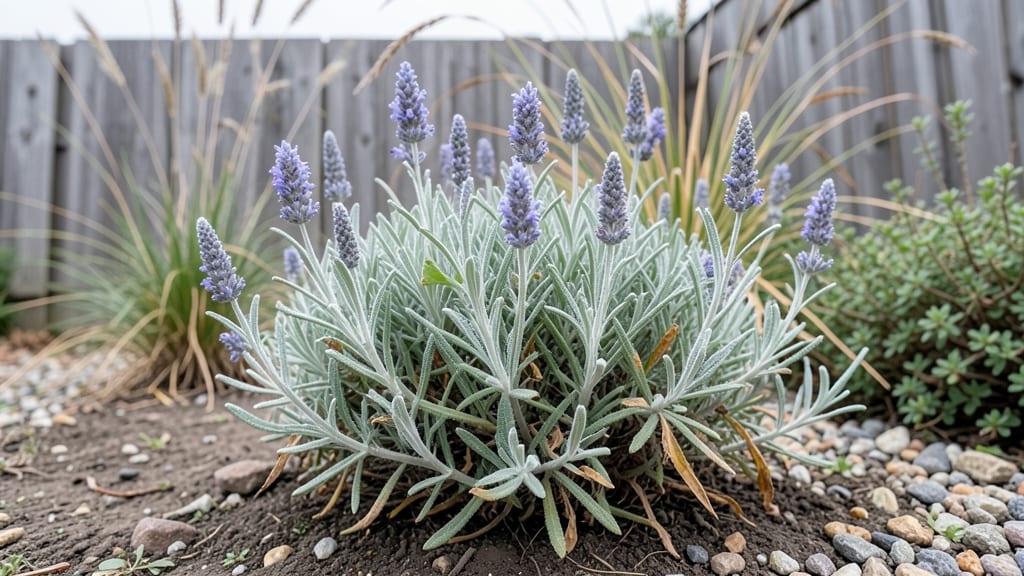
Piet Oudolf’s small gardens prove that bold design thrives even in tight spaces. ✨ I’ve studied his work for years, and the secret isn’t bigger plants—it’s strategic layering, texture play, and choosing varieties that pack seasonal drama into every square foot. His approach turns overlooked corners into lush, ever-changing canvases.
The magic happens with three key principles: grouping plants by height (tall in back, mid-height in middle, ground covers up front), mixing foliage textures (feathery grasses, broad-leaf perennials, fine ferns), and selecting plants that shine in different seasons—spring blooms, summer foliage, and winter structure.
Even a 4x8-foot bed can feel like a masterpiece when you focus on these details.
You’ll end up with a garden that feels shockingly lush for its size, where every visit reveals something new—a burst of color in spring, a wave of seed heads in fall, or the quiet elegance of evergreen foliage in winter.
The best part? Maintenance stays simple because Oudolf’s designs prioritize natural resilience over high-maintenance stars.
Perfect for urban balconies, courtyard gardens, or even a single raised bed. Here’s how to steal his small-space genius for your own outdoor retreat—no yard required.
📚 In This Guide
- What you need
- Instructions
- Tips and common mistakes
- Wrapping up and next steps
What you need
- ● Perennials (seasonal variety): 1–3 Grasses (e.g., Miscanthus sinensis, Carex spp.) – 2–3 clumps per type
- ● 1–2 Bold foliage plants (e.g., Helleborus, Heuchera, Sedum) – 3–5 plants per type
- ● 1–2 Flowering perennials (e.g., Echinacea, Rudbeckia, Salvia) – 3–5 plants per type
- ● Structural elements: 1–2 Small shrubs (e.g., Cotoneaster, Weigela) – 1–2 plants per type
- ● 1–2 Ornamental trees (e.g., Cornus stolonifera, Prunus serrulata ‘Kwanzan’) – 1 per type
- ● Hand trowel & pruning shears
- ● Garden gloves & knee pads
- ● Measuring tape & string (for layout)
- ● Mulch (2–3 bags of shredded bark or compost)
- ○ Optional: Hose with spray nozzle, wheelbarrow, and a small rake
- ● Sunlight analysis (6+ hours/day for most Oudolf plants)
- ● Well-draining soil (amend with compost if needed)
- ● Small garden space (4’x4’ to 10’x10’ works well!)
- ● Patience for seasonal changes (Oudolf gardens shine over time!)
How to design a Piet Oudolf-inspired small garden
Transform limited space into layered seasonal drama with these bold, textural principles.
🌿 Step 1: Define Your Plant "Layers" for Depth
Piet Oudolf’s genius lies in vertical layering—even in small spaces. Start with a tall anchor plant (like ornamental grasses or small shrubs) at the back, reaching 3-4 feet tall. These create your garden’s "backbone" and draw the eye upward. I recommend switchgrass (Panicum virgatum) or Russian sage (Perovskia atriplicifolia) for their airy, architectural forms that never feel crowded.
Next, add a mid-height layer of perennials like coneflowers (Echinacea) or black-eyed Susans (Rudbeckia), which should peak at 2-3 feet. These provide mid-season color and structure. Finally, fill the front with low-growing ground covers or bulbs like crocus or allium—they’ll spill gently over edges and create movement. The key is to let each layer emerge naturally over seasons, never forcing symmetry.
☀️ Step 2: Group Plants by Texture, Not Just Color
Oudolf’s signature approach is textural contrast—pairing fine, feathery grasses with bold, leathery leaves or spiky seed heads. Start by selecting plants with three distinct textures: something soft (like lamb’s ear Stachys byzantina), something rugged (like sedum Sedum ‘Autumn Joy’), and something delicate (like ferns or astilbe). I always include at least one arching plant (like Russian sage) to create dynamic lines and prevent flatness.
Arrange in odd-numbered clusters (3, 5, or 7 plants per group) to create natural focal points. Avoid single specimens—they look lonely in small gardens. Instead, think of each grouping as a "mini ecosystem" where plants will eventually mingle and self-seed, creating organic patterns over time. This is where Oudolf’s magic happens: the garden evolves without losing structure.
💧 Step 3: Prioritize Seasonal Succession for Year-Round Interest
Small gardens need nonstop drama, so plan for four distinct seasons of interest. Start with early spring bulbs like daffodils or tulips for color before foliage emerges. Then layer in spring bloomers like bleeding heart (Dicentra) or foamflower (Tiarella), followed by summer perennials like shasta daisies (Leucanthemum) or bee balm (Monarda). Finally, include late-season stars like sedum, goldenrod (Solidago), or tobacco plant (Nicotiana) to carry you into fall.
Don’t forget winter structure—grasses like feather reed grass (Calamagrostis acutiflora) or hardy orchids (Dactylorhiza) provide texture when everything else sleeps. I always leave seed heads on perennials through winter; they’re free food for birds and add surprising elegance. The goal is to have something blooming or interesting in every season, even if just one standout plant.
✂️ Step 4: Edit Ruthlessly for Long-Term Harmony
Oudolf’s gardens look effortless because they’re intentionally edited. After the first year, remove any plants that fail to thrive or clash with neighbors. I wait until late summer to assess—this gives plants time to establish and reveal their true personalities. Look for three key traits: Does it hold up in your climate? Does it complement the existing texture palette? Does it contribute to seasonal flow?
If a plant flops, replace it with something that fills a gap in the design. For example, if your garden lacks height, swap a floppy annual for a small shrub like dwarf ninebark (Physocarpus opulifolius ‘Little Devil’). Or if color is missing in summer, add purple coneflower (Echinacea purpurea). The editing process is where small gardens truly shine—each plant earns its place through performance, not just pretty packaging.
🪴 Step 5: Use Containers Strategically for Flexibility
Containers are Oudolf’s secret weapon for small spaces. Use them to extend the garden’s reach—place pots on steps, balconies, or even window sills to create depth. I prefer terracotta or fiberglass (they won’t crack in freeze-thaw cycles) and fill them with layered combinations: a tall grass in the center, surrounded by mid-height perennials, with spillers like trailing lobelia or creeping thyme at the edges.
Rotate containers seasonally to refresh the view. For example, swap out spring bulbs for summer annuals like geraniums or coleus when they fade. This keeps the garden feeling dynamic without requiring major replanting. Just ensure containers have drainage holes—Oudolf’s plants despise soggy roots. A slow-release fertilizer applied in spring will keep them thriving with minimal fuss.
Tips & tricks for Piet Oudolf-inspired small gardens
These insider secrets will help you create a garden that feels expansive yet intentional, even in the tightest spaces.
Texture is Everything: When selecting plants for your three distinct textures—soft, rugged, and delicate—visit your local nursery and run your hands over the foliage. The tactile experience will guide you better than any photo. For example, pair the velvety lamb’s ear with the spiky seed heads of Russian sage. This contrast creates visual interest that photographs can't capture. I always bring a small notebook to jot down combinations that excite me visually and texturally.
Seasonal Layering Strategy: In Step 3, when planning your seasonal succession, think of each season as a chapter in a book. Start with spring bulbs like daffodils as your opening act, then build to summer's main event with shasta daisies, and conclude with fall's goldenrod as your climax. The key is to have at least one plant that provides interest during every month of the year. I like to create a simple chart with columns for each season and rows for height layers—this visual planning prevents gaps in your garden's performance.
Container Design Secrets: For your container arrangements in Step 5, follow the "thriller, filler, spiller" formula: place your tall grass (the thriller) in the center, surround it with mid-height perennials (the fillers), and let trailing plants (the spillers) cascade over the edges. This creates instant visual impact. I always use a pencil to trace the pot's dimensions on graph paper and sketch my arrangement before planting—it saves me from costly mistakes and ensures balanced proportions.
Editing Like a Pro: When it comes to Step 4's ruthless editing, I recommend marking plants with small flags or labels the first year to track their performance. After late summer, assess each plant against your three criteria: climate suitability, texture harmony, and seasonal contribution. Be prepared to make tough calls—removing underperformers creates space for better-performing plants that will truly shine in your design. Remember, Oudolf's gardens look effortless because they're intentionally curated, not randomly assembled.
Pro Tips for Piet Oudolf Small Gardens
- These insider secrets will help you create a garden that feels expansive yet intentional, even in the tightest spaces.
- Texture is Everything: When selecting plants for your three distinct textures—soft, rugged, and delicate—visit your local nursery and run your hands over the foliage.
- Seasonal Layering Strategy: In Step 3, when planning your seasonal succession, think of each season as a chapter in a book.
Frequently asked questions
Got questions about creating a Piet Oudolf-inspired small garden? You’re not alone! Here are some of the most common queries—and practical answers—to help you dive in with confidence.
What are the best plants for a Piet Oudolf-style small garden?
Oudolf favors perennials with bold textures, like grasses (e.g., Miscanthus, Calamagrostis), shrubs (e.g., Spiraea, Weigela), and flowering plants (e.g., Echinacea, Rudbeckia). Opt for layered heights and seasonal interest—think early blooms (heather), mid-season drama (peony), and late-season structure (sedum). Stick to low-maintenance, drought-tolerant varieties for tight spaces.
How long does it take to see results in a small Piet Oudolf garden?
Patience is key! Most perennials establish in 1–2 years, with full impact in 3–5 years. Grasses and shrubs grow faster, while slower bloomers (like peonies) may take longer. Start small: Plant a few focal species first, then expand. Mulch well and water deeply in the first year to speed up root growth.
Is a Piet Oudolf garden expensive to maintain?
Not necessarily! While some plants (like ornamental grasses) have upfront costs, they’re low-maintenance long-term. Cost-saving tips:
- Divide and share: Split perennials after 3–4 years to propagate free plants.
- Skip fertilizers: Oudolf’s gardens thrive in poor soil—focus on organic matter.
- DIY mulch: Use fallen leaves or straw instead of pricey bark.
Can I adapt Oudolf’s style to a shady small garden?
Swap sun-loving grasses for shade-tolerant alternatives, like:
- Hosta (textural foliage)
- Ferns (e.g., Matteuccia)
- Astilbe (plume-like blooms)
- Hellebore (early winter/spring)
What’s the biggest mistake beginners make in small Oudolf gardens?
Overcrowding! Oudolf’s magic comes from negative space—don’t fill every inch. Common pitfalls:
- Planting too densely: Leave 12–18" gaps between perennials for airflow.
- Ignoring scale: Taller plants (6+ ft) can overwhelm small spaces—opt for dwarf varieties or prune aggressively.
- Skipping structure: Add 1–2 vertical elements (e.g., a trellis or upright shrub) to anchor the design.
Wrapping up and next steps
Piet Oudolf’s approach to small gardens proves that big ideas thrive in tight spaces—layered textures, seasonal shifts, and bold plant choices can transform even the coziest of yards into a dynamic masterpiece. 🌿 Whether you’re drawn to his signature grasses, perennials, or unexpected pairings, the key is confidence in simplicity and a willingness to let nature take the lead.
Ready to dive in? Start by sketching your space, then pick 1-2 standout plants (like Miscanthus or Echinacea) to anchor your design. Experiment fearlessly—your small garden’s drama is just a season away! 🌱