
Tools
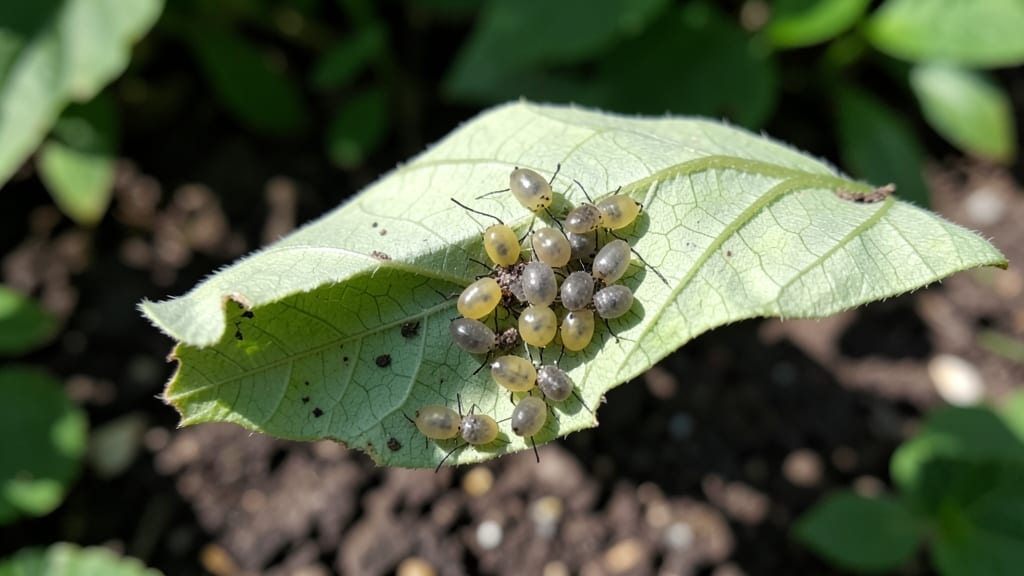
Bad garden insects like aphids, beetles, and caterpillars can turn a thriving garden into a battleground overnight. 🌱 I’ve spent years perfecting a foolproof DIY spray that keeps pests at bay without harsh chemicals—no more wilted leaves or skeletonized plants by harvest time.
The key lies in combining neem oil, soapy water, and garlic extract—nature’s pest deterrents that disrupt insects’ life cycles while being safe for plants and pollinators. This blend works on soft-bodied pests like aphids within 24 hours and deters chewing insects like beetles for weeks.
You’ll end up with a garden where beneficial insects thrive alongside your vegetables, and pests stay far enough away to avoid damage. The spray is easy to make with pantry staples, and it lasts 2-3 weeks before refreshing—far more effective than store-bought solutions that harm the environment.
Whether you’re dealing with a sudden infestation or just want to prevent one, this method adapts to vegetables, flowers, and shrubs alike. Let’s get your garden back to its full, pest-free potential—without the guesswork.
Root Causes Of Garden Pests
Unwanted insects in your garden aren’t just random visitors—they’re often drawn by specific conditions that turn your yard into a five-star buffet. Understanding these triggers is the first step to reclaiming your green space naturally.
Let’s break down the science behind why pests invade, so you can address the problem at its source.
When plants are stressed or packed too closely, they become easy targets for pests. Here’s why:
- Stress signals attract insects: Damaged, nutrient-deficient, or drought-stressed plants release volatile organic compounds (VOCs) that act like distress flares, calling in pests like aphids, whiteflies, and spider mites.
These insects are drawn to weak plants because they’re easier to feed on. - Poor air circulation: Dense plantings create humid microclimates, perfect for soft-bodied insects like slugs and fungus gnats.
Without airflow, fungal diseases (which pests love) spread faster, creating a vicious cycle. - Competition for resources: Overcrowded plants compete for water, sunlight, and nutrients, leaving them vulnerable. Weak roots and stems can’t fend off chewers like cabbage worms or Japanese beetles.
Actionable fix: Prune regularly to improve airflow, space plants according to their mature size, and mulch to retain moisture without suffocating roots.
Pests thrive where plants are starving. Soil imbalances don’t just weaken your garden—they create a haven for insects with specific dietary needs:
- Nitrogen overload: Too much nitrogen (common in synthetic fertilizers) leads to lush, soft growth that attracts sap-sucking pests like aphids and mealybugs.
These insects prefer tender, nitrogen-rich leaves. - Phosphorus or potassium deficiencies: Plants low in phosphorus struggle to develop strong root systems, making them susceptible to root-feeding grubs (e.g., Japanese beetle larvae).
Potassium deficiencies weaken cell walls, making plants more vulnerable to chewing insects. - Organic matter depletion: Soil lacking compost or decomposed plant material becomes compacted and poor in beneficial microbes.
Without these microbes, plants can’t fend off pests naturally, and pests like cutworms or wireworms move in to exploit the easy meal.
Actionable fix: Conduct a soil test to identify deficiencies, then amend with compost, bone meal (for phosphorus), or greensand (for potassium). Avoid over-fertilizing—slow-release organic options are key.
Watering habits directly impact pest populations. Here’s how:
- Overwatering: Excess moisture creates the perfect breeding ground for slugs, snails, and fungus-loving insects like thrips. Standing water also attracts mosquitoes, whose larvae can become a secondary pest problem. - Underwatering: Drought-stressed plants produce sticky resins (like honeydew) to conserve moisture, which attracts ants, aphids, and wasps.
Additionally, dry soil compacts, making it easier for grubs to burrow and chew roots. - Irregular watering: Plants that alternate between drought and flood stress produce weak, sugary sap—another magnet for pests. Drip irrigation or soaker hoses (which water at soil level) reduce surface moisture and discourage pests.
Actionable fix: Water deeply but infrequently (1–1.5 inches per week, depending on climate) and aim for early morning to allow foliage to dry. Use drip systems to minimize leaf wetness, and avoid overhead sprinklers.
A balanced garden ecosystem includes predators that keep pest populations in check. When these allies disappear, pests explode:
- Monoculture gardens: Planting the same species (e.g., a single row of tomatoes) removes biodiversity, eliminating the habitat for predator insects like ladybugs, lacewings, and parasitic wasps. - Pesticide use: Even "safe" sprays can kill beneficial insects.
For example, neem oil can harm bees if misapplied, while broad-spectrum insecticides wipe out entire food chains. - Habitat destruction: Removing leaf litter, dead wood, or "weedy" plants eliminates shelter for predators. Ground beetles, for instance, thrive in mulch and hunt slugs—but if you keep soil bare, they’ll leave.
Actionable fix: Plant companion flowers (like marigolds or dill) to attract predators, avoid synthetic pesticides, and leave some "wild" areas (e.g., a patch of clover) for beneficial insects to nest.
Global warming and erratic weather patterns are extending pest seasons and expanding their ranges. Here’s how:
- Warmer winters: Cold-sensitive pests like the Asian longhorned beetle or winter moths now survive in regions where they once died off. Milder temperatures also allow pests to reproduce faster. - Early springs: Plants sprouting earlier than usual disrupt the natural timing of predator-prey relationships.
For example, aphids may hatch before their ladybug predators emerge, leading to outbreaks. - Heavy rains: While beneficial for plants, sudden downpours can wash away natural pest controls (like fungal pathogens) and create ideal conditions for soft-bodied insects.
Actionable fix: Monitor local pest trends and adjust planting times. Use row covers in early spring to protect vulnerable plants, and choose native species adapted to your climate.
Sometimes, the problem starts with us. Unintentional habits can invite pests:
- Compost piles: While compost is great for soil, improperly managed piles (too wet or hot) can attract flies and rodents.
Overly rich compost may also produce ammonia, which deters some beneficial microbes. - Stored organic matter: Leaving fallen fruit, vegetable scraps, or wood debris in the garden creates hiding spots for earwigs, pill bugs, or even rodents. - Tool contamination: Sharing or reusing tools between infested and clean gardens can spread pests like nematodes or bacterial wilt vectors.
Actionable fix: Turn compost regularly to balance moisture and heat, store firewood away from garden beds, and sanitize tools with a 10% bleach solution (1 part bleach to 9 parts water) between uses.
Natural ways to banish garden pests
Dealing with unwanted critters in your garden doesn’t always require harsh chemicals. Instead, try these effective, eco-friendly solutions tailored to common pests. Each method is simple, budget-friendly, and safe for your plants—and your family! Let’s tackle those tiny troublemakers one by one.
These sap-suckers cluster on leaves, leaving behind sticky residue. A quick fix? Homemade insecticidal soap!
🔥 Step-by-Step Fix:
- Mix the Solution 🍳
- Combine 1 tablespoon of mild liquid soap (like Castile soap) with 1 quart of water.
- Add 1 teaspoon of vegetable oil (like neem or olive oil) to help break down their protective coatings.
- Spray Directly 👨🍳
- Apply the mixture early in the morning or late evening (avoid direct sunlight—it can harm plants).
- Focus on the undersides of leaves where aphids hide.
- Reapply as Needed ⏰
- Spray every 3–5 days until the infestation clears. Repeat if new bugs appear.
💡 Prevention Tips:
- Encourage natural predators like ladybugs and lacewings by planting dill, fennel, or marigolds.
- Wipe leaves with a damp cloth weekly to remove eggs and early-stage pests.
These slimy invaders leave chewed-up holes in leaves overnight. A DIY beer trap is their kryptonite!
🍺 Step-by-Step Fix:
- Set Up the Trap 🥘
- Bury a shallow dish (like a yogurt cup) in the soil near affected plants.
- Fill it with beer (the yeast attracts them).
- Check Daily ⏰
- Slugs and snails will crawl in and drown. Empty and refill the trap every 2–3 days.
- Add Copper Barriers 🔥
- Place copper tape around plant bases—it gives them a mild electric shock, deterring them from crossing.
💡 Prevention Tips:
- Remove hiding spots like boards, rocks, or dense mulch where they lurk during the day.
- Water in the morning so soil dries faster, making it harder for slugs to move around.
These metallic-green beetles devour flowers and foliage in minutes. Neem oil disrupts their life cycle.
🌿 Step-by-Step Fix:
- Make the Spray 🍳
- Mix 1 tablespoon of neem oil with 1 teaspoon of mild soap and 1 quart of water.
- Add 1 tablespoon of vegetable oil to help it stick to leaves.
- Spray Thoroughly 👨🍳
- Cover both sides of leaves and stems. Reapply every 5–7 days or after rain.
- Handpick Adults 🔪
- Drop beetles into soapy water (they’re harmless but destructive in large numbers).
💡 Prevention Tips:
- Plant traps like roses, grapes, or marigolds—beetles love them and will get trapped away from your veggies.
- Avoid over-fertilizing with nitrogen, which attracts them.
These tiny white flies weaken plants by sucking sap. Sticky traps and reflective surfaces confuse them.
🕷️ Step-by-Step Fix:
- Hang Yellow Sticky Traps 🎯
- Place yellow sticky cards near plants. Whiteflies are drawn to the color and get stuck.
- Use Aluminum Foil Mulch ✨
- Wrap foil around the base of plants—the reflection disorients them.
- Spray with Water 💦
- Blast them off leaves with a strong spray of water daily (they’re weak fliers).
💡 Prevention Tips:
- Keep plants healthy—stressed plants attract more whiteflies.
- Space plants properly for good airflow, reducing hiding spots.
Ants "farm" aphids for honeydew but also protect them. Food-grade diatomaceous earth (DE) dehydrates them.
🏗️ Step-by-Step Fix:
- Apply DE in a Barrier 🏗️
- Sprinkle a thin layer of DE around plant bases, ant trails, and entry points.
- Reapply after rain or watering.
- Use Bait Stations 🍫
- Mix borax or cornmeal with sugar water in a shallow dish. Ants carry it back to the nest, disrupting their colony.
💡 Prevention Tips:
- Remove food sources (like fallen fruit or sweet plant debris).
- Seal entry points with caulk in cracks around your home’s foundation.
The best defense? A thriving garden ecosystem that pests avoid!
- Rotate crops to prevent soil-borne pests from building up.
- Plant companion flowers (like basil, lavender, or nasturtiums) to repel bugs naturally.
- Mulch with straw or wood chips to deter crawling pests and retain moisture.
- Encourage beneficial insects like bees, hoverflies, and predatory wasps with native plants.
With these natural, chemical-free methods, your garden will stay lush—and pest-free—without harming the environment or your veggies. Try one (or all!) and watch those unwanted visitors pack their bags! 🚪💨
Frequently asked questions
What are the most common destructive bugs in vegetable gardens?
Aphids, Japanese beetles, slugs, and tomato hornworms are the top culprits. Aphids cluster on leaves and spread viruses, while beetles chew through foliage in minutes. Slugs leave ragged holes overnight, and hornworms can defoliate tomato plants in 24 hours if left unchecked.
How do I tell if my plants are being attacked by insects?
Look for chewed leaves, sticky residue (honeydew), tiny holes, or wilting despite proper watering. Inspect the undersides of leaves for eggs or crawling insects. Early signs include yellowing foliage or distorted growth—common with sap-sucking pests like whiteflies or aphids.
Are homemade sprays safe for edible plants?
Yes, when made correctly! Use food-grade ingredients like neem oil, soap, or garlic. Always test sprays on a small leaf first—some plants (like mint or citrus) may be sensitive. Rinse produce thoroughly before eating, and avoid spraying when bees are active.
Why do pests keep coming back even after treatment?
Pests often return due to untreated eggs, new infestations from nearby plants, or unresolved garden conditions (like overwatering or poor airflow). Reapply treatments every 5-7 days and address root causes—such as removing hiding spots or improving plant health—to break their life cycle.
Can I use coffee grounds to repel garden pests?
Yes! Sprinkle used coffee grounds around plant bases—the caffeine acts as a natural deterrent for slugs, ants, and some beetles. The grounds also improve soil as they decompose. Just avoid overapplying, as too much can make soil acidic over time.