
Pests
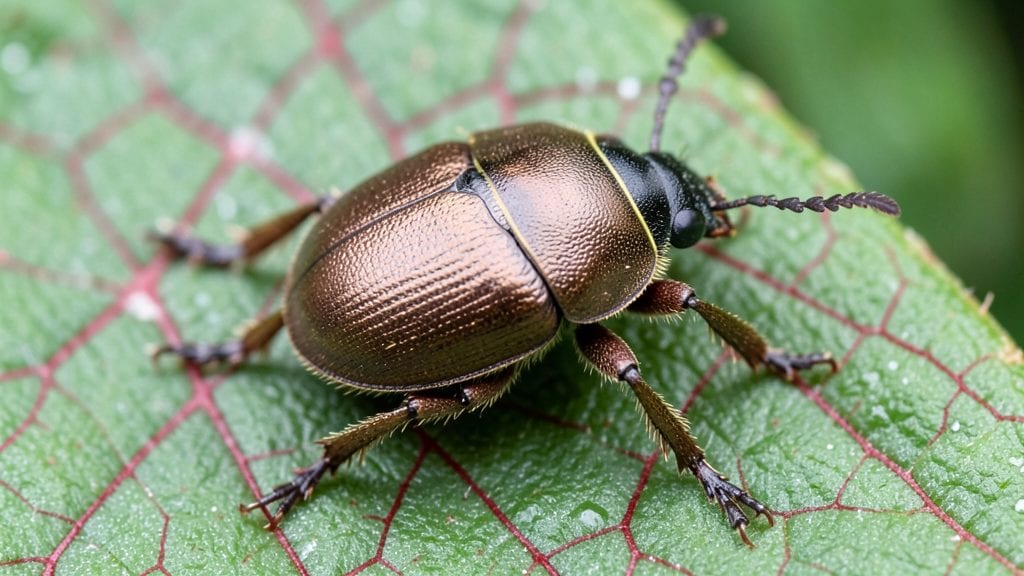
The Asian garden beetle is a sneaky pest that can strip your garden bare in weeks if you don't act fast. 🌱 I've battled these shiny, black-and-orange invaders in my own yard, and what I learned changed how I protect my vegetables forever.
These beetles don't just munch leaves—they devour entire plants, leaving behind skeletonized foliage that looks like lace.
What makes them tricky is their lifecycle: adults emerge in early summer, lay eggs in the soil, and the larvae (grubs) chew on roots for months. My zucchini and beans took a beating until I switched to humane traps that don't harm beneficial insects or the environment.
The key is acting early—before the grubs get established—and using barriers or pheromone traps that lure them away.
With the right approach, you'll see fewer beetles within days and healthier plants by midsummer. The traps work best when placed near infested areas, and you can reuse them season after season.
No more chemical sprays clinging to your produce or bees getting caught in sticky traps—just a clean, natural solution that keeps your garden thriving.
This method works for home gardens, community plots, and even container plants. The best part? You'll know exactly what's working because the beetles will be gone—and your plants will thank you with lush, undamaged foliage all season long. Let's get those traps set up before the next wave arrives!
📚 In This Guide
- What you need
- Instructions
- Tips and common mistakes
- Wrapping up and next steps
What you need
- ● Plastic or glass containers: 1–2 medium-sized containers (1–2 gallons each) with lids that fit snugly but aren’t airtight.
- ● Beer or fermented fruit juice: 1–2 cups per container (e.g., apple cider, grape juice, or even homemade wine—beetles love the yeast and sugar!).
- ● Cardboard or paper strips: 2–3 strips (2–3 inches wide) to create ramps for beetles to climb into the trap.
- ● Duct tape or masking tape: To secure ramps and containers in place.
- ● Scissors or a box cutter: For cutting cardboard/paper to size.
- ○ Gloves (optional but recommended): To handle beetles gently if you’re relocating them later.
- ● Spray bottle with water: To dampen ramps slightly (beetles are attracted to moisture).
- ● Sturdy twine or zip ties: For securing containers to stakes or plants in windy areas.
- ● Flashlight (for evening checks): Asian garden beetles are most active at dusk!
- ● Bucket or large jar: For temporary relocation if you’re releasing beetles elsewhere.
- ● Permanent marker: To label traps (e.g., "Beetle Trap – Relocate Daily").
How to create humane traps for Asian garden beetles
These simple traps work fast and keep your garden thriving without harming beneficial insects.
🪴 Step 1: Gather Your Trap Materials
You'll need a shallow container with high sides—think plastic storage bins or even a large pie dish. I like to use 1-gallon plastic containers because they're sturdy and easy to find. Add a small amount of soapy water (about ½ cup dish soap diluted in 1 gallon of water) to the bottom. The soap breaks the beetles' surface tension, preventing escape once they fall in.
Place the container near problem areas—beetles are drawn to light-colored surfaces, so a white or light-colored container works best. I set mine near host plants like roses, grapes, or fruit trees where beetles are most active. Avoid placing traps directly on soil; they work best on flat surfaces like patios or mulch beds.
💧 Step 2: Set Up the Trap Bait
Beetles are attracted to fermenting fruit, so add a few slices of overripe banana or apple to the container. The smell lures them in, and once they climb over the edges, they can't get out. I like to use a small plate or shallow dish inside the container to hold the fruit—this keeps the bait elevated and makes it easier for beetles to reach it.
Check the trap every 2-3 days and replace the fruit if it dries out. The key is keeping the bait fresh while maintaining the soapy water solution. If the water evaporates, top it off with a mix of ½ cup dish soap and 1 cup water to maintain effectiveness.
☀️ Step 3: Position Traps Strategically
Place traps 1-2 feet above ground level—this is where beetles are most active. I position mine near host plants (like grapes or roses) and along garden edges where beetles often gather. Avoid placing them under dense foliage; beetles need clear access to the bait.
For best results, set up multiple traps (I use 4 traps for a medium-sized garden). Beetles are drawn to light, so placing traps near white or light-colored surfaces (like a white sheet or fabric) can increase their effectiveness. Check traps in the early morning—beetles are most active then and you'll catch the most.
⏰ Step 4: Monitor and Maintain Traps
Empty and refill traps every 3-4 days to keep them working effectively. Beetles multiply quickly, so consistent maintenance is key. I like to use a small net or spoon to remove any trapped beetles—this keeps the garden clean and prevents odors from building up.
Watch for signs of success: fewer beetles on leaves and less damage to plants. If you notice beetles are still active, move traps to new locations or add more bait. The goal is to reduce their numbers naturally without harming other garden life.
🌿 Step 5: Expand for Long-Term Control
For persistent infestations, combine traps with neem oil sprays (applied in the evening) or introduce beneficial nematodes to the soil. I’ve found that 4 traps placed strategically can control a small to medium garden, but larger areas may need more. Rotate trap locations weekly to prevent beetles from adapting to one spot.
Keep an eye out for other pests that might be drawn to the traps—like ladybugs or lacewings. If beneficial insects start getting caught, adjust the trap height or reduce the bait amount slightly. The goal is to target only the Asian garden beetles while keeping your garden’s ecosystem balanced.
Tips & tricks for effective Asian garden beetle traps
Here's what I've learned after using these traps for years—simple adjustments that make all the difference in catching beetles without harming your garden's good guys.
Container Color Matters: While white or light-colored containers work well, I've found that yellow or blue containers can be even more effective. Asian garden beetles are attracted to these colors, which mimic their natural feeding cues. If you don't have colored containers, simply place a yellow or blue piece of cardboard inside your white container—it'll work just as well.
Bait Placement is Key: In Step 2, when adding your overripe banana or apple slices, place them near the container's edges rather than in the center. This creates a "cliff effect" that beetles can't resist climbing over. I like to arrange the slices in a circular pattern around the inside rim—this maximizes surface area for beetles to climb while keeping the bait accessible.
Soap Solution Strength: The effectiveness of your trap depends on that soapy water mixture. Use daikon radish soap if available—it's gentler on beneficial insects while still breaking surface tension. If you're using regular dish soap, opt for a mild, plant-based formula rather than harsh chemical cleaners. The goal is to drown beetles humanely without harming other garden creatures.
Timing is Everything: The early morning check in Step 3 is crucial because beetles are most active when temperatures are cooler. I've found that setting a timer for 7:00 AM works best in most climates—this gives you time to check traps before the heat of the day drives beetles into hiding. If you notice fewer beetles in your traps, try checking at dusk instead, as some beetles are crepuscular.
Pro Tips for Asian Garden Beetle
- Here's what I've learned after using these traps for years—simple adjustments that make all the difference in catching beetles without harming your garden's good guys.
- Container Color Matters: While white or light-colored containers work well, I've found that yellow or blue containers can be even more effective.
- Bait Placement is Key: In Step 2, when adding your overripe banana or apple slices, place them near the container's edges rather than in the center.
Frequently asked questions
Got questions about Asian garden beetles? You’re not alone!
Here are some of the most common concerns—and practical solutions—to help you protect your garden without harming these pesky (but accidental) visitors.
When do Asian garden beetles start appearing in gardens?
Adult Asian garden beetles typically emerge in late May to early June and remain active until frost. Larvae (grubs) overwinter in soil, so you may spot damage earlier in the season. Keep an eye out during warm, humid nights when they’re most active!
How can I tell if the holes in my leaves are from Asian garden beetles vs. other pests?
Asian garden beetles leave irregular, jagged holes and skeletonize leaves (eating between veins). Unlike Japanese beetles, they don’t chew in neat rows. Check the undersides of leaves for black-and-orange beetles (adults) or white grubs in soil (larvae).
Are Asian garden beetles harmful to humans or pets?
No—they’re not dangerous to touch or ingest (though they’re not tasty!). However, their larvae can damage lawns by feeding on grass roots. If you see beetles indoors, they’re likely just lost—gently relocate them outside. Always supervise pets around traps to avoid accidental ingestion of bait.
Why aren’t my traps working? Troubleshooting tips
- Bait isn’t fresh: Replace fermented fruit or beer every 2–3 days.
- Traps are too high: Place them at ground level where beetles crawl.
- Overcrowding: Empty traps daily to avoid beetles escaping.
- Wrong time: Set traps at dusk when they’re most active.
Pro tip: Add a few drops of dish soap to the bait to break surface tension and drown beetles faster!
What are some natural alternatives to traps?
Try these humane, chemical-free methods:
- Handpick: Drop beetles into soapy water in the morning (they’re slow!).
- Neem oil: Spray leaves to deter feeding (reapply after rain).
- Beneficial nematodes: Target larvae in soil (apply in early spring).
- Diatomaceous earth: Sprinkle lightly on soil to deter grubs (reapply after watering).
Pro tip: Plant marigolds, catnip, or tansy—their scent repels beetles naturally!
Wrapping up and next steps
Protecting your garden from the Asian garden beetle doesn’t have to mean harsh chemicals—simple, humane traps can make all the difference! 🌱 By using natural methods like soapy water traps or beer traps, you’re not only saving your plants but also keeping local ecosystems safe.
Remember, consistency is key, so check and refresh your traps regularly for the best results.
Ready to take action? Start with one trap today and watch your garden thrive naturally! Share your success with fellow gardeners—your efforts might inspire others to do the same. 🌟