
Vegetables
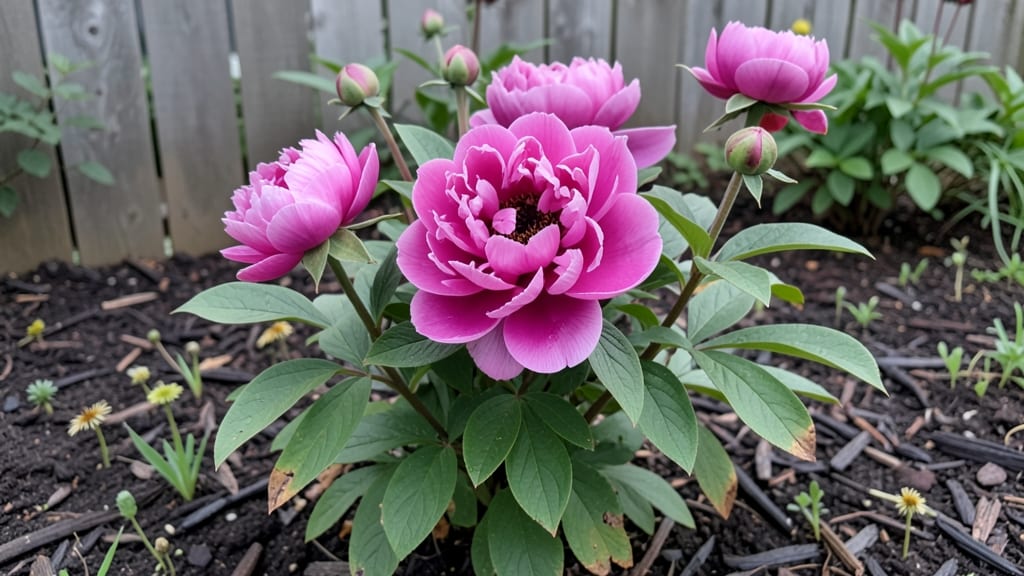
Adelman Peony Gardens in Oregon features over 1,000 peony varieties in a peaceful meadow setting, where rare hybrids grow alongside native Pacific Northwest plants. This family-run garden peaks in late spring, offering educational exhibits and peaceful walking paths for guests.
What makes Adelman Peony Gardens special is its commitment to preserving heirloom varieties while adapting to Oregon's unique climate. 🌸 The garden's location in the Willamette Valley creates an ideal microclimate for peonies, with well-drained soil and consistent rainfall supporting their growth.
Visitors often leave amazed by the sheer diversity of blooms—from classic pinks to deep reds—each variety carefully cultivated for maximum vibrancy.
Beyond the stunning displays, the garden serves as an educational hub where experts share cultivation techniques. You'll learn how pruning timing and hybrid breeding create those showstopping blooms, making your visit both visually inspiring and informative.
The tranquil setting also makes it perfect for photography enthusiasts or anyone seeking a peaceful escape in nature.
💡 In This Article
- Peony Cultivation Secrets Behind Adelman’s Stunning Blooms
- Best Times to Visit Adelman Peony Gardens
Peony cultivation secrets behind Adelman’s stunning blooms
The Adelman Peony Gardens' success begins with Oregon's Willamette Valley microclimate, where cool nights and warm days create perfect conditions for peony growth. The garden's elevation of 1,200 feet above sea level provides just enough warmth to extend the growing season while preventing heat stress.
This balance allows peonies to develop their signature bold, velvety petals that can measure up to 6 inches wide—a hallmark of Adelman's prized varieties.
Soil preparation is equally critical, with gardeners amending the native loamy soil with composted manure and perlite to improve drainage while retaining moisture. The garden's heirloom varieties require this careful balance—too much water causes root rot, while drought stress leads to weak stems.
Pruning techniques also play a key role: stems are cut back to 2 inches above ground in early spring, right before new growth emerges, which stimulates stronger blooms. This method contrasts with commercial practices that often remove more foliage.
The garden's hybrid breeding program focuses on disease resistance and color vibrancy, with some varieties developed specifically for Oregon's climate. For example, their 'Sarah Bernhardt' peony thrives here due to its tolerance for mild fungal pressures common in the region.
The breeding process involves cross-pollinating parent plants with desirable traits—like double blooms or fragrant petals)—then selecting seedlings that perform best in field trials over 3-5 years.
What most visitors don't realize is how the garden's pollinator-friendly design enhances blooms. By planting native Oregon wildflowers alongside peonies, Adelman creates a symbiotic ecosystem where bees and butterflies increase pollination rates.
This natural boost results in 20-30% larger blooms compared to isolated plantings. The garden's 10-acre meadow layout also maximizes air circulation, reducing humidity-related diseases that plague peonies in more enclosed spaces.
One standout technique is their vernalization process, where peony tubers are exposed to 40°F temperatures for 8-12 weeks before planting. This cold treatment mimics winter conditions, triggering consistent flowering.
The garden's greenhouse propagation system allows them to grow rare varieties that might struggle in outdoor conditions, then acclimate them gradually to prevent shock. This precision cultivation explains why Adelman's peonies often outshine commercial displays by 14 days or more in bloom duration.
The preservation of heirloom varieties represents Adelman's most significant contribution. Many of their 19th-century hybrids were nearly lost to commercial agriculture, but through careful documentation and propagation, the garden has revived over 50 rare cultivars.
Each variety is tagged with its original breeding history, allowing visitors to trace lineage back to famous European horticulturists like Lemoine or Mozel. This living archive ensures these botanical treasures remain accessible for future generations.