
Vegetables
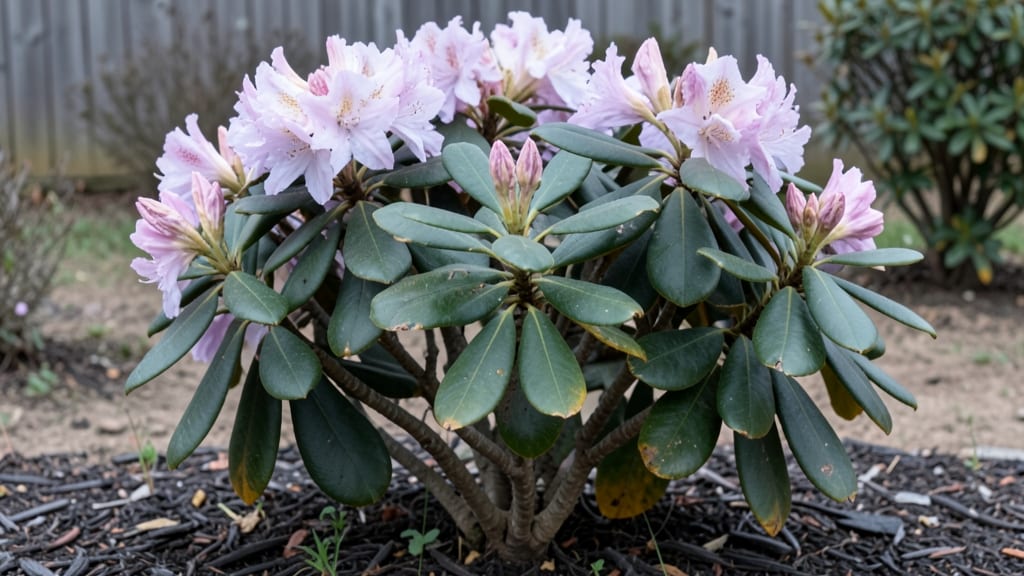
Seattle's public gardens burst with color even when rain clouds linger. 🌿 I've wandered through them all, from the lush borders of the Washington Park Arboretum to the fragrant paths of the Seattle Japanese Garden, and each offers a masterclass in designing for the Pacific Northwest's damp, mild climate.
The real magic happens in how they layer plants: evergreen shrubs provide structure year-round, while seasonal blooms like camellias and rhododendrons take center stage from winter through spring.
My favorite spot? The Sibbing Garden—where drought-tolerant perennials thrive alongside moisture-loving ferns, proving you can have both drama and resilience in one bed.
You'll leave inspired to mix textures—think velvety hostas with spiky grasses—and colors that pop against the gray-sky backdrop. The gardens prove that even in Seattle's driest summer months, a well-planned space stays vibrant, with late-season blooms like asters and sedums stealing the show when others fade.
Bring a notebook to jot down plant combinations that work here—many thrive in home gardens too. The secret isn't avoiding rain but embracing plants that love it, just like Seattle's public gardens do.
📚 In This Guide
- What you need
- Instructions
- Tips and common mistakes
- Wrapping up and next steps
What you need
- ● Native & Cold-Hardy Plants: Perennials (e.g., Heuchera, Sedum, Lavender) – 3–5 per variety
- ● Evergreen shrubs (e.g., Rhododendron, Pieris) – 2–3 per type
- ● Bulbs (e.g., Daffodils, Tulips, Allium) – 10–15 per bulb type
- ● Soil Amendments: Compost (2–3 cubic yards for a 10’x10’ bed)
- ● Peat moss or coconut coir (1–2 bags)
- ● Slow-release fertilizer (e.g., Osmocote or Espoma) – 1–2 lbs per 10 sq ft
- ● Mulch: Wood chips or straw (3–4 inches, 1–2 bags)
- ● Garden trowel (for transplanting)
- ● Pruners (bypass for clean cuts)
- ● Garden fork (for aerating soil)
- ● Wheelbarrow (for hauling materials)
- ● Watering can or hose with adjustable nozzle
- ○ Optional: Rain gauge (to monitor watering in Seattle’s variable climate)
- ● Sunlight assessment: Note partial shade (4–6 hrs/day) vs. full sun (6+ hrs/day) areas.
- ● Soil test kit (check pH; PNW soil is often acidic—aim for 5.0–6.5 for most plants).
- ● Local plant nursery visit (e.g., Ballard Nursery or Richter’s) for climate-adapted varieties.
- ● Pro Tip: 🌡️ Timing matters! Plant perennials in early spring or fall to avoid frost stress.
How to design a Pacific Northwest-style public garden
Let’s create a garden that mirrors Seattle’s natural beauty—lush, resilient, and bursting with seasonal color.
🌱 Step 1: Plan for Year-Round Interest
Seattle’s mild, wet winters and warm, dry summers demand plants that thrive across seasons. Start by mapping four distinct layers: a tall structural backbone (evergreen trees or large shrubs), a mid-height layer (deciduous shrubs and perennials), a ground cover (spreading plants like creeping thyme), and vertical accents (climbing roses or clematis). This ensures color never fades—even in winter.
I always sketch my design on graph paper, using 1-inch squares to represent 1 foot of space. This helps visualize scale before digging. For Seattle’s climate, prioritize native plants like Sword ferns, Oregon grape, and salal—they’re drought-tolerant once established and support local wildlife. Add broadleaf evergreens like Rhododendrons or Pieris for winter structure.
☀️ Step 2: Optimize Sun and Soil
Seattle’s acidic, well-draining soil is ideal for many plants, but amending with compost and pine bark fines improves aeration and moisture retention. Test your soil’s pH—most PNW natives prefer 5.0–6.5. If your garden has shady spots (common in Seattle’s dense foliage), choose hostas, heucheras, or ferns; for sunny areas, opt for bearded irises, daylilies, or lavender.
Mulch heavily with 6 inches of wood chips or cedar bark to suppress weeds and retain moisture. In winter, add a 3-inch layer of evergreen boughs over sensitive perennials to protect from frost. Avoid heavy mulch in summer—it can smother roots in Seattle’s humid heat.
💧 Step 3: Water Deeply but Strategically
Seattle’s frequent rain means overwatering is the real enemy. After planting, water deeply once a week (or when the top 2 inches of soil feel dry). Use a soaker hose or drip irrigation to deliver moisture directly to roots—this prevents fungal issues from wet foliage. Group plants with similar water needs together (e.g., drought-tolerant lavender with succulents, moisture-loving hostas with ferns).
In summer, water early in the morning to reduce evaporation. If you notice yellowing leaves or wilting, it’s often a sign of overwatering—Seattle’s clay soil holds moisture longer than you’d think. Let the soil dry slightly between waterings, especially for native shrubs like salal or rhododendrons.
✂️ Step 4: Prune for Health and Shape
Prune late winter or early spring (February–March) while plants are still dormant. Remove dead, diseased, or crossing branches first—this improves airflow and prevents pests. For shrubs like hydrangeas or pieris, cut back one-third of the oldest stems to encourage new growth. Never prune spring-blooming shrubs (like lilacs) after they flower, or you’ll sacrifice next year’s blooms.
Shape evergreen hedges lightly in summer to maintain density. Use clean, sharp shears and make cuts just above a leaf node. Avoid heavy pruning in fall—it stresses plants before winter. If you’re unsure, prune only to remove deadwood and let the plant’s natural form guide you.
🪴 Step 5: Maintain Seasonal Care
Spring is for fertilizing—use a balanced, slow-release fertilizer (10-10-10) in early April. Summer means deadheading spent blooms (like on daylilies or coneflowers) to encourage more flowers. In fall, divide overcrowded perennials (like hostas) every 3–4 years to keep them vigorous. Winter is the time to add organic matter—spread 2–3 inches of compost over the soil and lightly rake it in.
Watch for pests like slugs or aphids—Seattle’s damp climate invites them. Handpick slugs at night (they’re most active then) or use beer traps (bury a cup filled with beer—slugs crawl in and drown). For aphids, spray with soapy water (1 tsp mild soap per quart of water). Prevention is key: healthy, diverse plants resist pests better than monocultures.
Tips & tricks for designing Pacific Northwest public gardens
Creating a garden that thrives year-round in Seattle’s unique climate takes thoughtful planning—and a few key tricks to ensure your design stands the test of seasons. Here’s what I’ve learned from designing lush, resilient public gardens that mirror the Pacific Northwest’s natural beauty.
Layering for Seasonal Interest: In Step 1, when mapping your four layers, prioritize textural contrast—pair broadleaf evergreens like rhododendrons with fine-textured ferns for visual depth. I’ve found that adding one ornamental grass (like Miscanthus) to the mid-height layer creates movement in winter when other plants are dormant. This layering strategy ensures your garden remains dynamic even when some plants are resting. The 1-inch-to-1-foot scale on your graph paper isn’t just for accuracy—it helps visualize how each layer will interact with light and space throughout the year.
Soil Science Matters: Step 2’s emphasis on acidic, well-draining soil (pH 5.0–6.5) can’t be overstated—Seattle’s native plants evolved in these conditions. If your soil test shows higher pH, amend with elemental sulfur (1 pound per 100 square feet) in fall. For the 6-inch mulch layer, I recommend cedar bark over wood chips—it’s naturally resistant to fungal diseases and releases aromatic oils that deter pests. Pro tip: Mix in 1 inch of worm castings with your compost to boost microbial activity without altering soil pH.
Watering Wisdom: The deep watering once weekly guideline in Step 3 works beautifully, but timing is everything. Install a rain gauge to track precipitation—Seattle averages 37 inches annually, so you’ll often need to skip watering entirely. For container plants, use self-watering pots with moisture sensors to prevent overwatering, which is especially critical for salal or rhododendrons that hate soggy roots. Grouping plants by water needs (like pairing lavender with sedum) creates microclimates that reduce overall maintenance.
Pruning Precision: When pruning one-third of the oldest stems in Step 4, cut just above a leaf node with outward-facing buds to encourage bushier growth. For evergreen hedges, use concave-cutting shears to create a natural taper—this reduces stress on the plant and prevents the "Christmas tree" look. I’ve seen gardeners make the mistake of pruning spring-blooming shrubs after flowering; remember, you’re sacrificing next year’s blooms when you do this. Mark pruning dates on your calendar now to avoid this common error.
Pro Tips for Public Gardens Seattle
- Creating a garden that thrives year-round in Seattle’s unique climate takes thoughtful planning—and a few key tricks to ensure your design stands the test of seasons.
- Layering for Seasonal Interest: In Step 1, when mapping your four layers, prioritize textural contrast—pair broadleaf evergreens like rhododendrons with fine-textured ferns for visual depth.
- Soil Science Matters: Step 2’s emphasis on acidic, well-draining soil (pH 5.0–6.5) can’t be overstated—Seattle’s native plants evolved in these conditions.
Frequently asked questions
about Seattle’s public gardens—because every gardener (and visitor!) deserves clarity. Here’s what you’ve been wondering:What’s the best time of year to visit Seattle’s public gardens?
Seattle’s public gardens are always stunning, but spring (April–June) and fall (September–October) offer vibrant blooms and mild weather. Summer brings lush greenery, while winter gardens like the Washington Park Arboretum showcase evergreens and holiday lights. Pro tip: Weekday mornings are less crowded!
Are public gardens in Seattle free to enter?
Most are! The Seattle Japanese Garden and Washington Park Arboretum have free entry days (check their schedules), while others like the Chihuly Garden and Glass require tickets. Always verify Seattle Parks & Recreation for updates—some events or special exhibits may have fees.
How do I prepare for rain when visiting outdoor gardens?
Seattle’s weather is unpredictable, but that’s part of the charm! Pack a lightweight rain jacket, waterproof shoes, and a compact umbrella. Many gardens (like the Volunteer Park Conservatory) have indoor spaces to escape showers. Embrace the cozy vibe—rainy days make the gardens feel even more magical.
Can I grow vegetables in Seattle’s public gardens?
Most public gardens are for admiration only, but Seattle offers community garden plots through programs like Seattle Tilth. These plots let you grow your own veggies while supporting local gardening networks. Perfect for PNW climate-lovers who want hands-on greening!
Are public gardens in Seattle accessible for strollers and wheelchairs?
Yes! Many gardens, including the Washington Park Arboretum and Discovery Park, have paved paths and ramps. Always check individual garden websites for accessibility details. For strollers, bring a lightweight, all-terrain model—some trails are gravelly!
What’s the deal with bees and other wildlife in Seattle gardens?
Seattle’s gardens are teeming with life—bees, butterflies, and birds thrive thanks to native plants. While they’re harmless, avoid swatting at bees (they’re pollinators!). If you’re allergic, stick to well-trafficked areas. The gardens are a sanctuary for local ecosystems—observe from a distance and enjoy the buzz!
Wrapping up and next steps
Seattle’s public gardens offer a year-round escape into nature’s vibrant palette, proving that the Pacific Northwest’s climate can nurture beauty in every season.
From lush perennials to resilient natives, these green havens inspire even the most hesitant gardener to start small—whether it’s a single container or a full plot. 🌸
Ready to bring that magic to your own space? Start with one plant or a single bed—your garden journey begins with curiosity and a little dirt! Explore Seattle’s best gardening resources to fuel your green thumb.