
Flowers
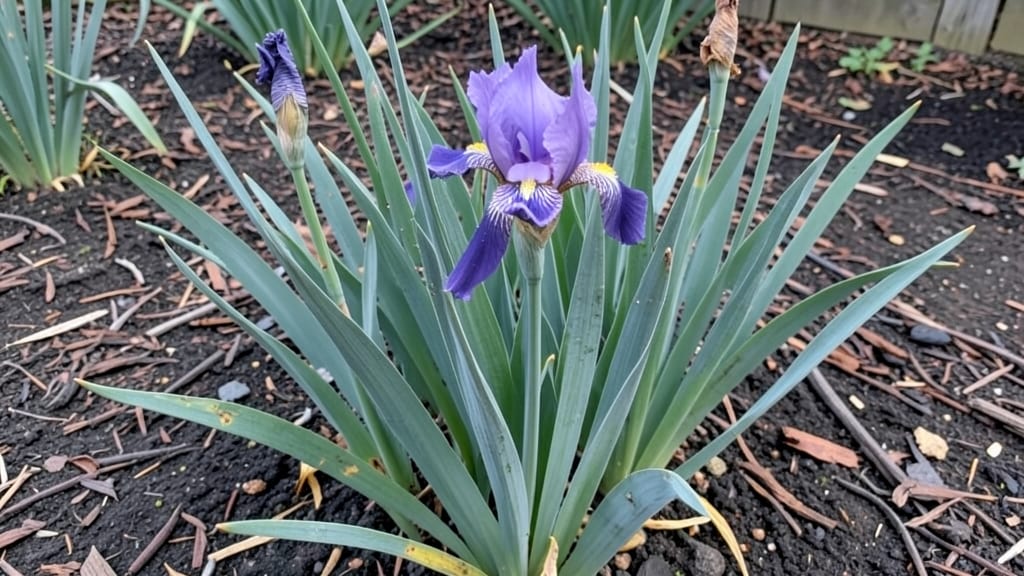
Creating flower gardens in Washington state means working with the Pacific Northwest’s lush, ever-changing seasons—where rain-fed soil and mild winters make every bloom feel like a gift. 🌿 I’ve designed gardens here for over a decade, and the key isn’t fighting the climate but leaning into it: drought-tolerant perennials for summer’s dry spells, early bloomers for spring’s chilly mornings, and evergreens to keep winter interest alive.
The right plants make all the difference. Think Pacific Coast natives like sword ferns and salal for structure, hydrangeas that thrive in our acidic soil, and lupines that nod in the breeze along rain-soaked borders.
Mix in seasonal standouts: camellias for winter color, peony bushes for late spring, and black-eyed Susans to carry the garden into fall. Even in the wettest months, the right layout keeps water flowing away from roots while letting sunlight reach where it’s needed.
You’ll end up with a garden that feels alive year-round—fragrant rhododendrons in spring, vibrant delphiniums towering in summer, and frost-kissed heather in winter. The best part? These gardens require less fuss than you’d think, once you match plants to their natural rhythms.
Let’s build one that thrives with the rain instead of against it.
Whether you’re starting from scratch or refreshing an existing bed, Washington’s climate offers endless possibilities. The secret is layering plants by height, color, and bloom time so there’s always something in focus.
And don’t overlook the microclimates: a south-facing wall can push bloom times earlier, while shaded corners welcome ferns and hostas. Ready to make your garden a Pacific Northwest masterpiece?
📚 In This Guide
- What you need
- Instructions
- Tips and common mistakes
- Wrapping up and next steps
What you need
- ● Native & Climate-Appropriate Seeds/Bulbs: Choose from Washington State favorites like Eschscholzia californica (California poppy), Lupinus (lupine), or Rhododendron (for wetter areas). Buy 1–2 lbs of seeds or 5–10 bulbs per variety for a vibrant display.
- ● High-Quality Soil: Native soil mix (for established gardens).
- ● Compost or aged manure (5–10 gallons) to enrich soil.
- ● Organic mulch (cedar or pine bark, 2–3 inches thick) to retain moisture.
- ● Watering Supplies: Drip irrigation system or soaker hoses (for efficiency, especially in dry summers).
- ● Watering can (5-gallon capacity) for hand-watering.
- ● Hand Trowel (for precision planting).
- ● Garden Fork (for amending soil).
- ● Pruners (bypass pruners for clean cuts).
- ● Garden Gloves (heavy-duty for thorny plants like roses).
- ● Measuring Tape (for spacing plants correctly).
- ● Wheelbarrow (for hauling soil/mulch).
- ● Rain Barrels (to collect water for drought-prone areas).
- ● Frost Cloth (for tender perennials in cooler zones).
- ● Windbreaks (bamboo stakes or lattice for coastal gardens).
- ● Soil pH Test Kit (Washington’s acidic soils may need lime or sulfur adjustments).
Step-by-Step guide to designing flower gardens for Washington State's climate
Washington’s diverse microclimates demand thoughtful planning—here’s how to create gardens that thrive year-round.
🌱 Step 1: Choose Plants That Thrive in Pacific Northwest Zones
Washington spans USDA zones 5-8, so select perennials that handle cool, wet winters and mild, dry summers. Native choices like Pacific coast iris, sword fern, and salmonberry require minimal care while supporting local ecosystems. For structure, Douglas fir and Western red cedar provide year-round interest, while Western hemlock offers shade.
For seasonal color, pair early bloomers like bleeding heart (spring) with summer-dwellers such as bearded iris and black-eyed Susan. In fall, Japanese anemone and sedum extend the bloom cycle. Avoid tropical plants—they’ll struggle in Washington’s 40-60°F winter lows.
☀️ Step 2: Design for Sunlight and Microclimates
Washington’s variable rainfall (20-100 inches annually) means drainage is critical. In Western Washington, where cloud cover is frequent, prioritize sun-loving perennials like lupine and columbine in full sun areas. In Eastern Washington, where summers are hotter, group drought-tolerant plants like lavender and Russian sage together to reduce watering.
Use mounding shrubs (e.g., Oregon grape) to create layered light conditions—this mimics natural forest edges. In low-lying areas, opt for moisture-loving species like ligularia or hosta, while sloped sites suit grasses (e.g., Miscanthus sinensis) that handle runoff. Always test soil pH—Western Washington’s acidity (5.0-6.0) thrives with rhododendrons, while Eastern Washington’s alkaline soils (7.0+) favor daylilies and coneflowers.
💧 Step 3: Establish Irrigation and Mulching Systems
Washington’s winter rains and summer droughts require a dual-system approach. Install drip irrigation for deep root zones, especially in sandy soils (common in Eastern WA), which dry out fast. Use soaker hoses for woodland gardens to mimic natural moisture levels. In urban areas, rain barrels capture excess winter water for summer use.
Apply 3-4 inches of mulch (cypress or cedar chips) to retain moisture and suppress weeds. Refresh mulch annually—decomposed bark works best. Avoid organic mulches near woody stems, as they can cause rot. In coastal gardens, add a thin layer of gravel to prevent soil compaction from heavy rains.
✂️ Step 4: Prune and Maintain for Seasonal Health
Prune early spring (before new growth) to remove dead wood—Western red cedar and Pacific yew benefit from light shaping to maintain their natural forms. For perennials, cut back late winter (e.g., Russian sage) to encourage bushier growth. Deadhead spent blooms on annuals (like larkspur) to prolong flowering.
Fertilize early spring with slow-release organic matter (compost or worm castings). Avoid high-nitrogen feeds—Washington’s cool climate means plants grow slowly, and excess nitrogen leads to leafy but non-flowering growth. In fall, top-dress with leaf mold to improve soil structure before winter rains.
🪴 Step 5: Plan for Year-Round Interest and Wildlife
Layer plants by height and bloom time—spring bulbs (e.g., tiger lilies) lead into summer perennials (e.g., blanket flower), which transition to fall foliage (e.g., Japanese maple). Add evergreen shrubs like Oregon boxwood for winter structure. Include native grasses (e.g., blue fescue) for texture and seed heads that feed birds.
Create wildlife corridors with pollinator-friendly plants: bees love salal berries, while butterflies favor milkweed. Place a small water feature (even a saucer with pebbles) to attract insects. In coastal gardens, sea thrift and beach strawberry thrive in salty air and provide food for migratory birds.
Tips & tricks for perfect flower gardens in Washington's climate
Creating a thriving garden in Washington’s unique climate takes more than just planting flowers—it’s about understanding the subtle nuances of our Pacific Northwest landscape. Here’s how to elevate your design from good to extraordinary.
Native Plant Pairing: The key to year-round interest lies in strategic layering. In Step 1, when selecting plants, pair Pacific coast iris with bleeding heart for spring color, then transition to bearded iris and black-eyed Susan as summer arrives. This creates a natural progression that mimics Washington’s bloom cycles. I’ve found that adding Japanese anemone in late summer extends the season beautifully, bridging the gap before fall foliage takes over. The secret is planning your garden as a living timeline rather than individual plantings.
Soil pH Precision: Washington’s dramatic east-west divide means soil pH can vary dramatically even within a single county. In Step 2, when testing your soil, remember that Western Washington’s acidity (5.0-6.0) thrives with rhododendrons, while Eastern Washington’s alkaline soils (7.0+) actually favor daylilies and coneflowers. I keep a small soil test kit handy and adjust with elemental sulfur for alkaline areas or lime for overly acidic spots. This simple adjustment can mean the difference between struggling plants and a lush, vibrant garden.
Irrigation Intelligence: The dual-system approach in Step 3 is brilliant, but here’s the pro tip: install your drip irrigation on a timer that runs for 15 minutes in the early morning and 15 minutes in the evening. This mimics natural rainfall patterns while preventing fungal issues from overnight moisture. For coastal gardens, I’ve found that adding a 1-inch gravel layer beneath mulch prevents compaction from heavy winter rains—something I learned the hard way after dealing with waterlogged soil in my first Seattle garden.
Wildlife Integration: The pollinator-friendly plants mentioned in Step 5 are just the beginning. To create true wildlife corridors, add native milkweed for monarch butterflies and salal berries for birds. I’ve seen hummingbirds become regular visitors within weeks of adding red columbine and salmonberry. The key is providing both food sources and water—even a shallow dish with pebbles creates a mini oasis. This approach transforms your garden from a decorative space into an active ecosystem that thrives year-round.
Pro Tips for Flower Gardens In Washington State
- Creating a thriving garden in Washington’s unique climate takes more than just planting flowers—it’s about understanding the subtle nuances of our Pacific Northwest landscape.
- Native Plant Pairing: The key to year-round interest lies in strategic layering.
- Soil pH Precision: Washington’s dramatic east-west divide means soil pH can vary dramatically even within a single county.
Frequently asked questions
Got questions about creating or maintaining flower gardens in Washington State?
Here are some of the most common ones—and their answers—to help you grow a thriving garden in the Evergreen State’s unique climate.
What are the best flowers for Washington’s rainy climate?
Washington’s mild, wet winters and warm summers favor resilient, moisture-loving blooms. Opt for native perennials like Pacific Coast iris, sword ferns, and Western columbine, or hardy annuals such as pansies and snapdragons. These thrive in damp soil and partial shade, while lavender and roses handle the rain if planted in well-draining beds.
When is the best time to plant flowers in Washington?
Timing depends on your region: Spring (March–May) is ideal for most perennials and bulbs, while fall (September–October) is perfect for planting spring-blooming bulbs (like daffodils) and cool-season annuals. Coastal areas (e.g., Seattle) can plant later, but avoid planting in winter—frost and soggy soil can damage roots.
How do I prepare my soil for a Washington flower garden?
Washington’s soil is often acidic and dense, so amend it with compost (2–3 inches mixed into the top 6–12 inches) and consider adding sand or perlite for drainage. Test your soil’s pH (aim for 6.0–7.0 for most flowers) and adjust with lime (to raise pH) or sulfur (to lower it). Mulch with cedar chips or bark to retain moisture and suppress weeds.
What pests should I watch for in Washington flower gardens?
Common culprits include slugs and snails (especially in rainy seasons), aphids (on roses and delphiniums), and vine weevils (which attack hostas and ferns). Prevent slugs with beer traps or copper barriers, blast aphids with a strong spray of water, and remove weevils by hand at night when they’re active. Neem oil is a gentle, organic solution for many pests.
Can I grow flowers in containers in Washington’s climate?
Containers are perfect for small spaces, urban gardens, or renters. Use well-draining pots (at least 12 inches deep) and fill them with a lightweight potting mix. Choose compact varieties like petunias, geraniums, or dwarf roses, and place them in south-facing spots for maximum sun. Move pots indoors or to a sheltered area during heavy rain or frost.
Wrapping up and next steps
Washington State’s diverse climates make it a paradise for flower gardens—whether you’re drawn to the romantic charm of cottage-style blooms or the hardy resilience of native wildflowers.
From coastal blooms to mountain meadows, every season offers a chance to nurture beauty that thrives uniquely in the Pacific Northwest. 🌸
Ready to transform your space? Start small—pick one plant or zone to focus on this year, and let your garden grow with confidence. Happy planting! 🌱