
Pests
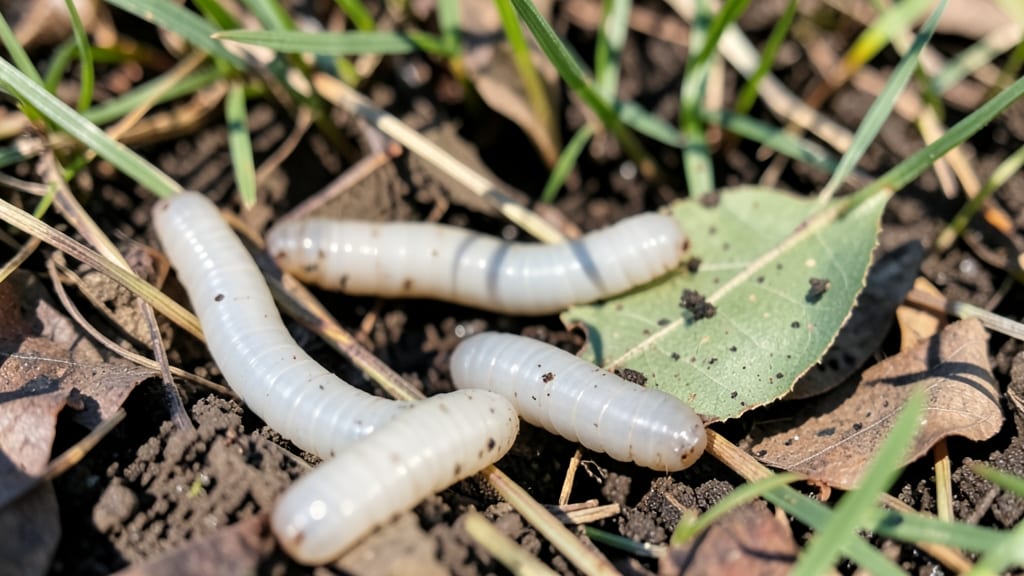
Finding white worms in your garden isn’t always a bad sign—some actually improve soil health. 🌱 These tiny creatures, often called enchytraeids or cutworms, can either be helpful aerators or sneaky plant munchers. The key is telling the difference between beneficial soil-dwelling types and the ones chewing through seedlings overnight.
Most white worms you spot are harmless, even beneficial—like enchytraeids that break down organic matter and loosen compacted soil. But if you’re seeing cutworms or grubs, they’ll slice through stems at night, leaving your plants wilted by dawn.
The good news? Both problems have simple, organic solutions that won’t harm your garden’s ecosystem.
You’ll learn how to identify the culprits, use natural predators like birds and nematodes, and apply targeted fixes like diatomaceous earth or row covers. By the end, you’ll know exactly when to celebrate these worms and when to gently relocate them—without chemicals or harsh sprays.
Whether you’re dealing with a mild infestation or just curious about what’s tunneling through your soil, this guide keeps your garden thriving while keeping pests in check. Let’s get your plants growing stronger, not just surviving.
The Hidden Triggers Behind Tiny Visitors
Those squirming white worms in your garden aren’t just random intruders—they’re often a sign of a thriving ecosystem (or an overdue soil check!). While they may seem like pests, these creatures—likely enchytraeids or white grubs—appear for specific reasons tied to your garden’s health.
Understanding their triggers helps you decide whether to celebrate their presence or take action. Let’s dig into the science behind why they show up.
If your garden soil stays soggy for days after rain or overwatering, you’re creating the perfect enchytraeid (a type of aquatic worm) buffet. These tiny, thread-like worms thrive in water-saturated conditions because their bodies lack the protective cuticle of earthworms, making them vulnerable to drying out. Here’s how it happens:
- Poor drainage: Clay-heavy or compacted soil traps water, turning your garden into a swamp. Enchytraeids multiply rapidly in these zones, often near plant roots where moisture lingers.
- Frequent irrigation: Drip systems or overhead watering that doesn’t allow soil to dry between sessions can drown their competition (like bacteria) while favoring these worms.
- Shady or low-lying areas: These spots retain moisture longer, creating hotspots for white worm populations. Ever noticed more of them near your hostas or ferns?
💡 Pro Tip: Test your soil’s drainage by digging a 6-inch hole, filling it with water, and timing how long it takes to drain. If it’s slower than 4 hours, amend with compost or perlite to improve airflow.
White worms—especially enchytraeids—are detritivores, meaning they feast on decomposing plant material. When your garden has an excess of:
- Freshly chopped grass clippings
- Unmulched leaf litter
- Rotting wood chips or straw
- Overripe fruit or veggie scraps
You’re essentially rolling out a welcome mat for these worms. Their populations explode because they have an unlimited food source with little competition (bacteria and fungi can’t keep up in these conditions).
⚠️ Watch Out: If you’ve recently added a thick layer of mulch or compost, the surge in white worms is normal—but if they’re swarming (hundreds per square foot), the material may be too fresh and anaerobic (lacking oxygen).
Not all white worms are enchytraeids. Some are white grubs, the larval stage of beetles like the Japanese beetle or June bug. These plump, C-shaped critters tunnel through roots, and their appearance is tied to:
| Cause | Why It Happens |
|---|---|
| Grassy lawns or weedy patches | Adult beetles lay eggs in high-nitrogen soil, often where grass or broadleaf weeds thrive. |
| Over-fertilized soil | Excess nitrogen (from synthetic fertilizers) signals beetles that it’s a prime hatching spot for their larvae. |
| Drought stress in plants | When plants wilt, their roots release sugars that attract grub larvae like a dinner bell. |
🔍 Key Difference: Grubs are larger (up to 1 inch), have a hard, brown head capsule, and often appear in dry soil near roots—unlike enchytraeids, which are tiny, translucent, and surface in wet zones.
White worms are cold-blooded, meaning their activity spikes when soil temperatures hit their sweet spot:
- Enchytraeids: Thrive in 50–70°F soil (ideal for spring/fall). Freezing temps kill them, but they rebound quickly in warm, damp conditions.
- Grubs: Eggs hatch best in 70–80°F soil (summer peak). They pupate in late summer, then emerge as beetles—leaving your garden temporarily “worm-free” until next year.
🌦️ Seasonal Surge: After a warm rain following dry weather, you might see a temporary explosion of white worms as they seek moisture. This is harmless and part of nature’s cycle!
Now that you know why these worms appear, the next step is deciding whether they’re helping (aerating soil, breaking down matter) or hurting (damaging roots). Stay tuned to learn how to manage their presence without harsh chemicals!
Quick Fixes for Unwanted White Worms
If you’ve spotted white worms wriggling in your garden soil, don’t panic—these tiny creatures (likely enchytraeids or potworms) are usually harmless and may even improve soil aeration. However, if their numbers are overwhelming or they’re causing damage (like chewing roots or leaving slimy trails), it’s time to take action.
Below, we’ll break down practical solutions based on the root cause, from gentle fixes to preventive measures.
If your soil is teeming with white worms, they may be thriving due to excess moisture, decaying organic matter, or poor drainage. Here’s how to bring their population back into balance:
- 🔥 Improve Drainage Overwatering or compacted soil creates the perfect breeding ground. Amend the soil with coarse sand, perlite, or compost to loosen it and encourage better airflow. A simple soil test (check pH and moisture levels) can help diagnose drainage issues.
- 🍳 Limit Fresh Organic Matter While compost is great, too much fresh, nitrogen-rich material (like food scraps or manure) can fuel their growth. Switch to well-aged compost or dried leaves instead.
- 👨🍳 Introduce Beneficial Predators Encourage natural enemies like ground beetles, centipedes, or birds by adding mulch (straw or wood chips) and avoiding pesticides. These predators will help keep worm populations in check.
If white worms are chewing on seedlings or young roots, act fast to prevent further harm:
- ⏰ Handpick and Relocate On a damp evening, gently sift through the soil with a small hand trowel or fork. Place the worms in a bucket of water (they’ll drown) or release them in a compost bin far from your garden.
- 🔪 Use Physical Barriers For container plants or seedlings, line pots with fine mesh (like hardware cloth) before planting. This blocks worms while allowing water and air through.
- 🌡️ Adjust Watering Habits White worms love soggy soil. Water deeply but infrequently, and ensure pots have drainage holes. A moisture meter can help monitor soil conditions.
The best defense is a healthy garden ecosystem. Here’s how to prevent white worm overpopulation:
- ✨ Rotate Crops & Avoid Over-Fertilizing Planting the same crops in one spot year after year can lead to nutrient buildup, attracting worms. Rotate plants and balance nitrogen with phosphorus/potassium fertilizers.
- 💡 Use Mulch Strategically A thin layer of mulch (1–2 inches) helps regulate moisture and deters worms from nesting near plant roots. Avoid thick mulch piles, which can trap moisture.
- 🌿 Encourage Biodiversity A diverse garden with flowers, herbs, and companion plants (like marigolds or basil) attracts beneficial insects that naturally control worm populations.
- 🔍 Monitor Regularly Check your soil monthly, especially after rain. Early detection means easier, less drastic solutions.
Avoid these common mistakes that can make the problem worse: - 🚫 Overusing Chemical Pesticides – These can kill beneficial organisms and disrupt soil health. - 🚫 Dumping Raw Kitchen Scraps – Meat, dairy, and oily foods attract pests and feed worms excessively. - 🚫 Ignoring Soil pH – If your soil is too acidic (pH < 6.0), worms may thrive unchecked.
Test and amend with lime (to raise pH) if needed.
Final Thought: White worms are usually a sign of a thriving (but slightly unbalanced) soil ecosystem. With the right adjustments, you can keep their numbers in check while improving your garden’s overall health.
Try one or two of these methods and observe changes over 2–4 weeks—your plants (and soil) will thank you!
Frequently asked questions
Are white worms in my garden always harmful?
Not at all! Many white worms—like enchytraeids—are actually beneficial. They break down organic matter, aerate soil, and improve nutrient cycling. The key is identifying them: if they’re tiny, translucent, and thrive in moist areas, they’re likely harmless. Only larger, C-shaped grubs (like Japanese beetle larvae) cause damage by eating roots.
How do I tell if white worms are damaging my plants?
Look for chewed stems at soil level or plants wilting overnight—classic signs of cutworms. If you see hundreds of worms in damp soil or roots looking gnawed, they’re likely overpopulating. Beneficial worms won’t harm plants; they’ll just leave slimy trails or tiny tunnels. Check for these clues before acting.
What’s the fastest way to get rid of white worms without chemicals?
For immediate relief, try diatomaceous earth (food-grade) around plants—it dehydrates worms in 24 hours. For grubs, handpick them at dusk (they’re sluggish then) and relocate them to a compost pile far from your garden. Reduce watering temporarily to dry out their habitat, but avoid overdoing it—plants need moisture too!
Can white worms survive in potted plants?
They’ll thrive in pots with moist, organic-rich soil—especially if you’ve used fresh compost. To prevent them, use well-draining soil mixes with perlite and avoid overwatering. For existing infestations, let pots dry out between waterings or add a 1-inch layer of coarse sand to deter them.
Will birds or other predators help control white worms?
Yes! Birds, toads, and ground beetles love eating white worms—especially grubs. Encourage them by adding bird baths, mulch, and diverse plants (like sunflowers or clover). Avoid pesticides, as they’ll kill the predators too. This natural approach works best over 2–3 weeks as populations adjust.