
Tools
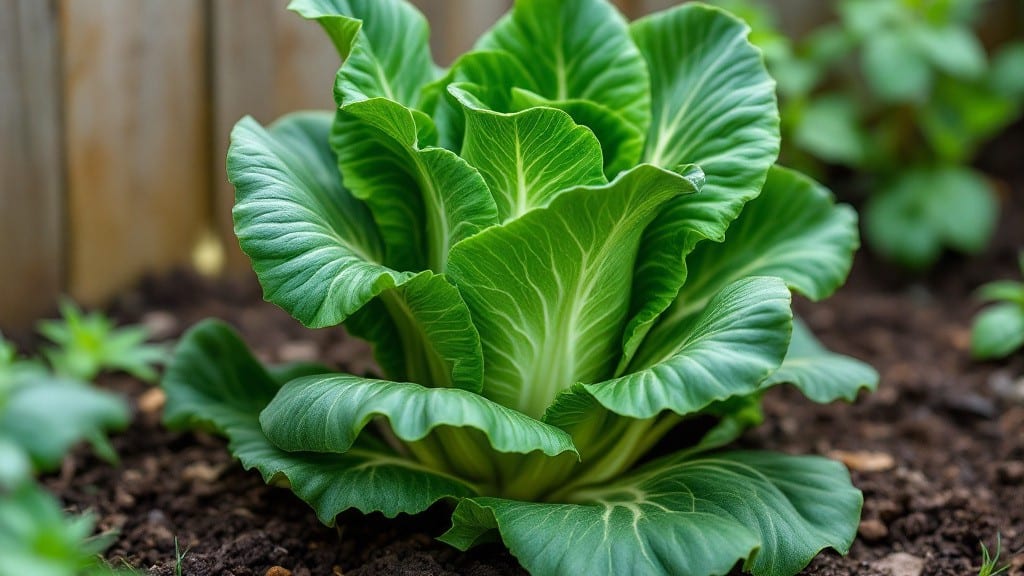
My romaine lettuce garden thrives when I follow these three secrets: loose soil, consistent moisture, and shade during heatwaves. The first time I grew romaine, I nearly lost the whole crop to bolting—until I learned how to keep it cool and hydrated.
Now, I harvest crisp heads all season long, even in summer.
You’ll need well-draining soil mixed with compost, a sunny spot with afternoon shade, and a watering routine that keeps the soil damp but never soggy. Romaine hates dry roots, so I water twice daily during hot spells—morning and evening. The payoff? Tender, crunchy leaves that stay sweet and bolt-resistant.
By late summer, you’ll be harvesting full heads in just 4-6 weeks from seed, with second plantings extending your harvest into fall. The secret to avoiding bolting is simple: keep the soil cool and moist, and protect plants from intense afternoon sun.
Even in small spaces, romaine grows well in containers or raised beds.
This method works for both home gardens and urban setups. Once you master it, you’ll never buy store-bought lettuce again—the flavor and texture make all the difference. Ready to grow your own crisp, homegrown romaine?
📚 In This Guide
- What you need
- Instructions
- Tips and common mistakes
- Wrapping up and next steps
What you need
- ● Seeds: 1–2 packets of Lactuca sativa (romaine lettuce), such as 'Romaine', 'Little Gem', or 'Parris Island' (choose bolt-resistant varieties for hot climates).
- ● Growing Space: 6–12 square feet of well-draining soil (in-ground, raised beds, or containers at least 6 inches deep).
- ● Full sun to partial shade (4–6 hours of sunlight daily, especially in hotter regions).
- ● Soil: Loamy, nutrient-rich soil with a pH of 6.0–7.0. Mix in 2–3 inches of compost or aged manure before planting.
- ● Watering Supplies: Watering can, hose with a gentle nozzle, or drip irrigation system.
- ● Organic mulch (straw, shredded leaves, or grass clippings) to retain moisture.
- ● Fertilizer: Balanced organic fertilizer (e.g., 10-10-10 or fish emulsion) or compost tea for mid-season feeding.
- ● Garden Gloves: A pair to protect your hands while handling soil or seeds.
- ● Row Covers: Lightweight fabric to protect seedlings from pests or heat.
- ● Shade Cloth: 30–50% shade for hot climates to prevent bolting.
- ● Plant Markers: Labels or stakes to track varieties and planting dates.
- ● Organic Pest Control: Neem oil, diatomaceous earth, or companion plants (e.g., marigolds).
- ● Garden Journal: To log planting dates, watering schedules, and growth progress.
Step-by-Step instructions for growing a thriving romaine lettuce garden
Here's my battle-tested approach to growing crisp, bolt-resistant romaine that stays sweet even in summer heat.
Prepare the Soil and Planting Site
Romaine thrives in loose, nutrient-rich soil with excellent drainage. Work the first 6 inches of soil to break up compaction and remove any rocks or debris. I always mix in 2 inches of compost—this improves moisture retention while preventing soggy roots. Romaine prefers a slightly acidic to neutral pH between 6.0 and 7.0, so if your soil runs heavy clay, add a handful of peat moss to lighten it.
Choose a location that gets 4 to 6 hours of morning sun and afternoon shade, especially in hot climates. Romaine bolts quickly when exposed to intense afternoon heat. If you're planting in summer, use shade cloth to protect seedlings until they establish roots. The ideal planting time is 4 to 6 weeks before your first frost for fall harvests or early spring for summer crops.
Sow Seeds at the Right Depth and Spacing
Plant romaine seeds ¼ inch deep, spacing them 12 to 18 inches apart in rows 18 inches apart. This gives leaves room to grow without overcrowding, which leads to bitter flavor and disease. I like to plant seeds in short rows rather than long ones—this makes thinning easier and reduces stress on young plants.
Keep the soil consistently moist but never waterlogged during germination. A fine mist from a spray bottle works best—it prevents washing away seeds while keeping them hydrated. You should see sprouts in 5 to 10 days under ideal conditions. If germination takes longer, check that the soil temperature stays between 50°F and 75°F—cooler soil slows the process.
Thin Seedlings and Maintain Even Moisture
Once seedlings reach 2 inches tall, thin them to 12 inches apart using clean scissors or your fingers. Pull weak seedlings at the base rather than snapping them—this prevents disturbing roots of remaining plants. I always harvest the thinned seedlings and add them to salads; nothing goes to waste in my garden.
Water romaine deeply once a week, aiming for 1 inch of water per week. Shallow watering encourages shallow roots, which makes plants more susceptible to heat stress. Water in the early morning to allow foliage to dry before evening—wet leaves invite fungal diseases like downy mildew. Mulch around plants with 2 inches of straw to retain moisture and suppress weeds.
Protect Plants from Bolting and Pests
To prevent bolting, keep plants consistently cool and avoid letting soil dry out completely. If temperatures rise above 80°F, provide afternoon shade with shade cloth or a temporary row cover. I also recommend harvesting outer leaves regularly—this encourages continuous growth and reduces stress on the plant.
Watch for common pests like aphids and slugs. Aphids cluster on young leaves, while slugs leave silvery slime trails at night. For aphids, spray plants with a soapy water solution (1 tablespoon mild dish soap per gallon of water). For slugs, set out beer traps (fill shallow dishes with beer) near the garden edges—slugs crawl in and drown overnight.
Harvest at Peak Crispness
Romaine lettuce is ready to harvest when the outer leaves reach 6 to 8 inches long. Use clean scissors or a sharp knife to cut leaves at the base, leaving the center intact. This allows the plant to regrow for 2 to 3 additional harvests. For a full head, cut the entire plant at the base when the inner leaves tighten and the head forms.
Harvest in the morning after dew has dried but before the sun intensifies. Store harvested romaine in the crisper drawer of your refrigerator for up to 10 days. For longer storage, wrap heads loosely in a damp paper towel and place them in a plastic bag with a few air holes.
Tips & tricks for perfect romaine lettuce growth
These battle-tested tips will help you grow crisp, bolt-resistant romaine lettuce that stays sweet even in challenging conditions.
Soil Preparation Secret: In Step 1, when you're working the first 6 inches of soil, don't just add compost—mix in a handful of worm castings along with the 2 inches of compost. Worm castings contain beneficial microbes that improve nutrient uptake and help prevent diseases like downy mildew. This extra step makes all the difference in establishing healthy plants from the start.
Germination Timing: The 5 to 10 days germination window in Step 2 can vary dramatically based on soil temperature. If you're planting in cooler spring or fall weather (below 50°F), consider using a seedling heat mat to maintain that ideal 50°F to 75°F range. I've found that maintaining consistent soil warmth during germination can cut your waiting time by nearly half, getting those seedlings popping up in just 3 to 5 days.
Thinning Technique: When thinning seedlings to 12 inches apart in Step 3, I've learned to use a small hand trowel to gently loosen the soil around the weaker seedlings before pulling. This prevents disturbing the roots of your remaining plants. Also, harvest those thinned seedlings immediately—they make excellent microgreens when added to salads or sandwiches.
Heat Management: The 80°F threshold mentioned in Step 4 is critical for preventing bolting. If you're in a hot climate, consider installing a simple shade structure using PVC pipes and shade cloth. Even 30% shade reduction can make the difference between sweet, crisp romaine and bitter, bolted plants. I've had success with removable shade cloth that I can roll up as temperatures drop in the evening.
Pro Tips for Romaine Lettuce Garden
- These battle-tested tips will help you grow crisp, bolt-resistant romaine lettuce that stays sweet even in challenging conditions.
- Soil Preparation Secret: In Step 1, when you're working the first 6 inches of soil, don't just add compost—mix in a handful of worm castings along with the 2 inches of compost.
- Germination Timing: The 5 to 10 days germination window in Step 2 can vary dramatically based on soil temperature.
Frequently asked questions
Got questions about growing your own romaine lettuce garden? You’re not alone! Whether you're a beginner or a seasoned gardener, these answers will help you cultivate crisp, healthy heads every time.
How long does it take for romaine lettuce to grow?
Romaine lettuce typically takes 60 to 80 days from seed to harvest, depending on the variety and growing conditions. If you're starting with transplants, you can expect to harvest in 45 to 60 days. For faster results, choose bolt-resistant varieties like 'Parris Island Cos' or 'Black Seeded Simpson.'
Why is my romaine lettuce turning bitter or bolting early?
Romaine lettuce bolts (sends up a flower stalk) when exposed to heat or long daylight (over 14 hours). To prevent this, plant in early spring or fall, provide partial shade during hot afternoons, and keep soil consistently moist. Mulching also helps regulate temperature and retain moisture.
Can I grow romaine lettuce in containers or small spaces?
Romaine thrives in containers at least 6-8 inches deep with good drainage. Use a lightweight potting mix and place pots in a spot with 4-6 hours of sunlight daily. Dwarf varieties like 'Little Gem' are perfect for small gardens or balconies. Just ensure they have enough space to spread (about 12 inches apart).
What are some easy alternatives if romaine lettuce fails?
If your romaine struggles, try these low-maintenance lettuce alternatives:
- Butterhead lettuce – Sweet, tender, and slower to bolt.
- Leaf lettuce (e.g., 'Black Seeded Simpson') – Cut-and-come-again for continuous harvests.
- Arugula – Peppery flavor, grows fast, and tolerates cooler temps.
- Swiss chard – Hardy, colorful, and thrives in heat better than romaine.
How do I fix yellowing leaves on my romaine lettuce?
Yellowing leaves usually signal overwatering, nutrient deficiency, or pests. Check these fixes:
- Ensure soil is well-draining (avoid soggy roots).
- Fertilize with a balanced liquid fertilizer (like 10-10-10) every 3-4 weeks.
- Inspect for aphids or slugs—use neem oil or diatomaceous earth if needed.
- Adjust watering: 1 inch per week (more in heat, less in rain).
Wrapping up and next steps
Growing your own romaine lettuce garden is a rewarding journey that brings fresh, crisp greens right to your plate—without the hassle of bolting or wilted leaves! 🌱 With the right tools, timing, and techniques, you’ll enjoy a thriving harvest that’s both nutrient-packed and delicious.
Whether you’re a beginner or a seasoned gardener, these tips will set you up for success.
Now that you’re armed with knowledge, roll up your sleeves and start planting! Pick a sunny spot, grab your supplies, and watch your garden transform into a leafy oasis. Happy growing—and enjoy those fresh salads! 🥗✨