
Pests and Diseases
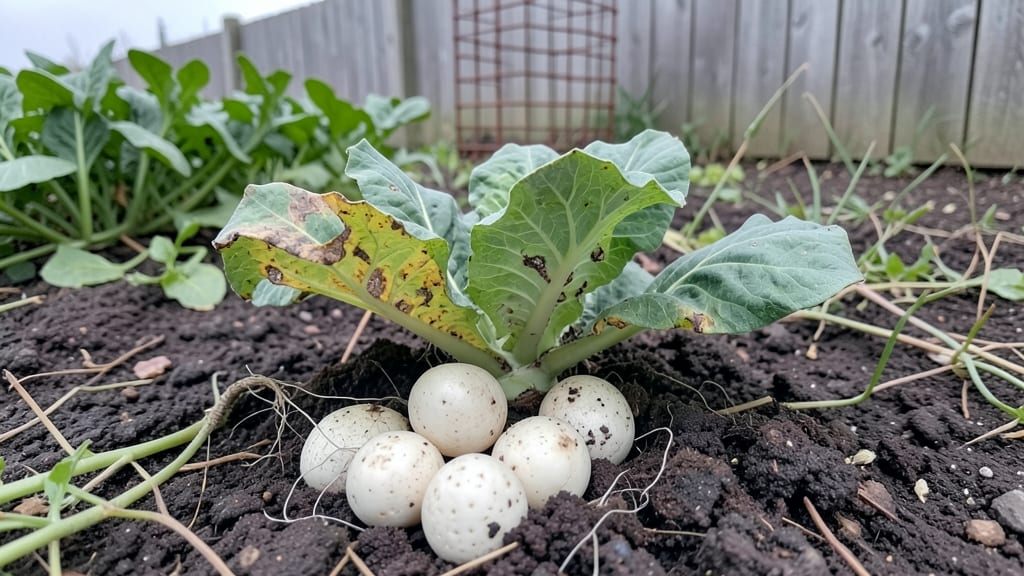
That hard white fungus creeping through your garden isn’t just unsightly—it’s stealing nutrients from your plants and spreading fast. 🌱 I’ve battled it in my own beds, and the key to stopping it starts with knowing exactly what you’re dealing with.
Most gardeners mistake it for harmless mildew, but this stubborn growth needs a targeted approach to disappear for good.
Moisture and poor airflow create the perfect conditions for this fungus to take hold, especially in crowded plantings or shady spots. The good news? You don’t need harsh chemicals to fight it. Simple fixes like spacing plants wider, improving drainage, and removing infected debris can make a huge difference.
I’ve seen gardens go from fungus-covered to thriving in just a few weeks with these adjustments.
Once you identify the problem, organic treatments like neem oil or baking soda sprays can eliminate it without harming your plants or the soil. The goal is to break the fungus’s life cycle while giving your garden room to breathe.
By the time you’re done, your soil will feel lighter, your plants will look healthier, and that white menace will be a distant memory.
This works for vegetable gardens, flower beds, and even houseplants struggling with humidity. The same principles apply whether you’re dealing with a small patch or a full-blown outbreak. Let’s get that garden back to its best—without the fungus.
Why it happens
That hard white fungus creeping through your garden isn’t just a random nuisance—it’s a deliberate response to specific conditions your plants are providing. Fungi like Sclerotium rolfsii (the likely culprit behind white, cottony growth) thrive when their survival needs are met.
Let’s break down the key triggers that turn your soil into their perfect breeding ground.
🌱 Overly Moist or Waterlogged Soil
Fungi are water-loving opportunists. When soil stays damp for prolonged periods—whether from overwatering, poor drainage, or heavy rainfall—it creates the ideal environment for fungal spores to germinate. Here’s why:
- Oxygen depletion: Waterlogged soil lacks air pockets, forcing fungal mycelium to expand aggressively to seek oxygen. This leads to rapid, visible growth like the hard white mats you’re seeing.
- Spore activation: Fungal spores remain dormant until moisture triggers them. A single overwatered pot or soggy mulch pile can release thousands of spores into the air.
- Root stress: Plants under water stress exude sugars through their roots, which fungi feast on like a buffet. This accelerates fungal colonization.
Actionable fix: Improve drainage with organic matter (compost or perlite) and water only when the top 1–2 inches of soil are dry. 💡 Pro tip: Use drip irrigation or soaker hoses to avoid wetting foliage, which spreads spores.
🍄 Poor Air Circulation in Plant Canopies
Fungi hate fresh air—they thrive in stagnant, humid microclimates where air can’t circulate. Dense plantings, thick mulch layers, or crowded containers trap moisture and heat, creating a fungal paradise. For example:
- Leaf surfaces: Dew or water droplets on leaves (from overhead watering or humidity) create a film that fungal hyphae can crawl across like a highway.
- Mulch smothering: A thick layer of mulch (especially plastic or compacted organic matter) blocks airflow to the soil, trapping moisture and heat.
- Shady spots: Low light reduces plant transpiration, keeping foliage damp longer.
Actionable fix: Prune plants to open up airflow, space them 12–18 inches apart, and use straw or pine needles for mulch (they allow airflow better than bark chips). 🌡️ Pro tip: Water in the early morning so foliage dries by evening.
🌡️ Warm, Stagnant Temperatures
Fungi like Sclerotium rolfsii are warm-weather bullies. They peak in activity between 75–90°F (24–32°C), which is why they often explode in summer gardens. Here’s the science:
- Enzyme activity: Fungal enzymes that break down plant tissue work 2–3x faster in warm conditions, speeding up infection.
- Spore germination: Heat + moisture = a perfect storm for spores to hatch. A single sclerotium (hard fungal “seed”) can produce 10,000+ spores in ideal temps.
- Weakened plants: Heat stress makes plants more susceptible to fungal attacks, as their defenses slow down.
Actionable fix: Avoid watering during peak heat (10 AM–4 PM), use shade cloth for sensitive plants, and remove plant debris (where fungi hide) immediately. ⏰ Pro tip: If your garden overheats, try reflective mulch to lower soil temps by 5–10°F.
🍽️ Nutrient-Rich Organic Debris
Fungi are scavengers, and your garden’s “waste” is their gourmet meal. Decaying leaves, old mulch, or even compost piles provide the perfect nutrient cocktail:
- Carbon-nitrogen balance: Fungi thrive when organic matter is too rich in carbon (like wood chips) or too wet (like fresh grass clippings), creating anaerobic pockets.
- Sugar exudates: As plant debris breaks down, it releases simple sugars that fungi consume like candy.
- Shelter for sclerotia: Hard fungal “seeds” (sclerotia) hide in debris until conditions are right to germinate.
Actionable fix: Remove all plant debris (especially from last season), compost hot (not cold) to kill pathogens, and avoid piling organic matter against plant stems. ✨ Pro tip: Solarize soil in summer by covering it with clear plastic for 4–6 weeks to sterilize fungal spores.
How to Fix Fungal Overgrowth
Now that you’ve identified the hard white fungus in your garden, it’s time to act—before it spreads and damages your plants. The good news? Most fungal issues can be managed with a mix of removal, prevention, and natural treatments.
Below, we’ll break down the best solutions based on the root cause, so you can tackle the problem head-on.
If the fungus is already present, physical removal is your first line of defense. Fungal spores spread easily, so act quickly to stop the cycle.
- 🔪 Cut Out Affected Areas Use clean, sterilized pruners or scissors to trim away any mushroom-like growths, white fuzzy patches, or discolored leaves. Cut at least 1 inch below and beyond the visible fungus to ensure you’re removing the entire infected zone.
- 🗑️ Dispose of Debris Properly Never compost infected plant material—spores can survive and reinfect your garden. Instead, bag it in a sealed plastic bag and throw it in the trash.
- 🌱 Monitor Nearby Plants Check surrounding plants for early signs of infection (yellowing leaves, soft spots). If you spot anything suspicious, isolate and inspect those plants immediately.
Fungal growth thrives in moist, compacted, or nutrient-rich soil. To break the cycle, focus on improving drainage, reducing humidity, and applying natural fungicides.
🌡️ Improve Airflow and Drainage Fungi love stagnant water and poor airflow.
Adjust your garden’s conditions to make it less hospitable: - 🌧️ Water Early in the Day – Avoid evening watering, which keeps foliage damp overnight (a fungal paradise). - 🪴 Space Plants Properly – Overcrowding traps moisture.
Thin out plants if needed, or prune to improve airflow. - 🏗️ Amend Heavy or Clay Soil – Mix in compost, perlite, or coarse sand to improve drainage. Well-draining soil prevents waterlogging, which fuels fungal growth.
🍄 Apply Natural Fungicides
If the fungus persists, organic treatments can help suppress it without harsh chemicals.
| Treatment | How to Use | Best For |
|---|---|---|
| Neem Oil | Mix 1 tsp neem oil + 1 tsp mild soap + 1 quart water. Spray on leaves and soil. Repeat every 7-10 days. | Early-stage fungal growth, powdery mildew |
| Baking Soda Spray | Dissolve 1 tbsp baking soda + 1 tsp oil (to help it stick) in 1 gallon water. Spray on foliage. Use every 2 weeks. | White fungal spots on leaves |
| Copper Fungicide | Follow package instructions for soil drench or foliar spray. Reapply after rain. | Severe infections (safe for edibles) |
| Beneficial Fungi | Sprinkle mycorrhizal fungi or Trichoderma granules into soil. Helps outcompete harmful fungi. | Long-term soil health |
✨ Pro Tip: Rotate treatments to prevent resistance. If using chemical fungicides, always follow label instructions for safety.
The best way to deal with garden fungus? Stop it before it starts. Here’s how to keep your garden fungus-free long-term:
- 🌿 Choose Resistant Plants – Some plants (like rosemary, lavender, and marigolds) naturally repel fungi.
Use them as companion plants near susceptible crops. - 🍂 Clean Up Debris Year-Round – Fallen leaves, dead plants, and mulch can harbor spores. Remove and compost (or trash) them regularly. - 🪴 Mulch Strategically – Use straw or pine needles (which acidify soil and deter fungi) instead of thick layers of wood chips. - 🌱 Strengthen Plant Health – Healthy plants resist disease better! Ensure they get: - Proper sunlight (most plants need 6+ hours/day) - Balanced fertilization (too much nitrogen = weak plants) - Regular pruning (removes hiding spots for spores)
If the fungus spreads rapidly, appears slimey or blackened, or resists treatments, it could be a more aggressive pathogen (like Phytophthora or Armillaria). In that case, consult a local extension service or garden specialist for targeted solutions.
Final Thought: 🌱 Fungal issues are manageable—but speed is key. The sooner you act, the easier it is to restore balance in your garden. Try one or two of these methods today, and watch your plants bounce back!
Frequently asked questions
What’s the difference between hard white fungus and regular mold?
Hard white fungus (often Sclerotium rolfsii) forms thick, cottony mats that feel firm and may have hard, white "seeds" (sclerotia) inside. Regular mold is usually fluffy, powdery, and lighter in color. The key difference? This fungus attaches to plant stems and can kill plants, while mold mostly grows on surfaces.
Can I still use my compost if I see white fungus growing?
No—composting infected plant debris spreads spores. Remove all fungus-contaminated material and solarize your compost pile (cover with clear plastic for 4–6 weeks) to kill pathogens. Use only hot compost (140°F+) afterward.
Will neem oil work if the fungus has already formed hard white mats?
Neem oil helps prevent spread but won’t eliminate established mats. First, remove the fungus physically, then apply neem oil (1 tsp oil + 1 tsp soap per quart of water) to sterilize the area. For stubborn cases, repeat every 7–10 days until new growth stops.
Why does my garden keep getting this fungus even after treatment?
Fungal spores survive in soil for years. If it keeps returning, check for hidden causes: overwatering, poor drainage, or planting too closely. Improve airflow, space plants 12–18 inches apart, and use straw mulch instead of thick organic layers.
Is this fungus dangerous for pets or humans?
Most garden fungi are harmless to pets/humans, but some (like Armillaria) can cause skin irritation. Avoid direct contact, and wash hands after handling infected plants. If your pet ingests fungus, monitor for vomiting or lethargy—consult a vet if symptoms appear.