
Pests and Diseases
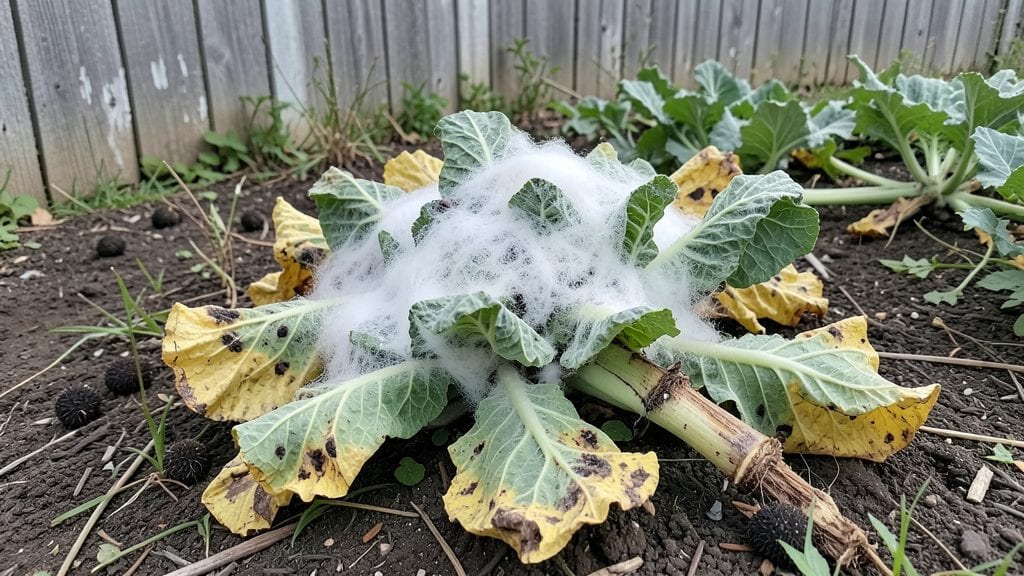
That white powdery coating on your roses or squash isn't just dust—it's a fungus that can cripple plants if ignored. ✨ I've battled powdery mildew, downy mildew, and white mold in my own garden, and I learned the hard way that early action makes all the difference.
The key is knowing which fungus you're dealing with and acting before it spreads to healthy leaves.
Most white garden fungi thrive in humid conditions with poor airflow, turning vibrant plants into sad, stunted shadows. Powdery mildew leaves a chalky residue, downy mildew creates fuzzy yellow patches, and white mold forms cottony clumps—each demands a slightly different approach.
The good news? You can often stop it with simple adjustments like spacing plants wider, improving circulation, or applying organic sprays like neem oil or baking soda mixtures.
By the time you've identified the problem and applied treatments, you'll see fresh green growth returning within days. The plants you save will reward you with stronger stems, more flowers, and better yields—no more wilting vines or spotted leaves.
The secret is acting fast and preventing future outbreaks before they start.
This works for vegetables, flowers, and even houseplants, though some stubborn cases may need professional help. Let's get your garden back to thriving before this fungus takes over completely.
Root Causes Of Fungal Growth
White fungal growth in your garden isn’t just an unsightly nuisance—it’s a clear signal that something is off in your soil, moisture levels, or plant care routine. Understanding the why behind its appearance is the first step to stopping it before it takes over.
Below, we break down the most common triggers, backed by science, so you can address them with precision.
🌡️ Excessive Moisture & Poor Drainage
Fungi thrive in damp, stagnant conditions because they rely on water to spread their spores. When soil stays soggy—whether from overwatering, heavy rainfall, or compacted ground—you’re creating the perfect breeding ground. Here’s why it happens:
- Waterlogged soil cuts off oxygen: Fungi are anaerobic, meaning they don’t need oxygen to survive. Unlike plants, which suffocate in water, fungi flourish when roots can’t breathe. This creates ideal conditions for Rhizoctonia or Sclerotium species, which cause white, cottony growth.
- Poor drainage traps humidity: Clay-heavy or densely packed soil holds water like a sponge. Even after rain stops, moisture lingers near the surface, keeping fungal spores active. Test it: Dig a small hole—if water pools after 30 minutes, drainage is the issue.
- Overhead watering worsens it: Splashing water from hoses or sprinklers can launch fungal spores from soil onto leaves, where they land and infect plants. This is why white mold often appears on foliage after a wet week.
💡 Pro Tip: Aim for consistent moisture, not saturation. Water deeply but infrequently (1–2 inches per week) and always at the base of plants. Use raised beds or amend soil with perlite/compost to improve aeration.
🌱 Organic Debris & Dead Plant Matter
Leaves, mulch, and decaying plant material may seem harmless, but they’re fungal buffets. Fungi feed on cellulose and lignin—the “building blocks” of dead plants—and white growth often starts as they decompose these materials.
- Mulch that’s too thick or wet: A 2–3 inch layer of mulch is great for moisture retention, but pile it too high (or use straw/hay that hasn’t been composted), and it becomes a fungal hotspot. Pythium and Phytophthora (water molds) love this environment.
- Untreated compost piles: Fresh compost heats up and can develop thermophilic fungi, which may spread to nearby plants. If your compost smells sour or has white fuzz, it’s past its prime.
- Pruned debris left on soil: Clippings from diseased plants (or even healthy ones) can harbor spores. When left on the ground, they decompose slowly, releasing nutrients that fuel fungal growth.
🔥 Action Step: Remove all plant debris from garden beds. Use sterilized mulch (shredded hardwood or pine straw) and keep it 3–4 inches away from plant stems. For compost, turn piles regularly to speed up decomposition and reduce moisture.
🌿 Weakened Plants & Stress Factors
Healthy plants have natural defenses against fungi, but stress—whether from pests, nutrient deficiencies, or environmental shocks—lowers their resistance. Fungi exploit these weaknesses like vultures circling a wounded animal.
- Nutrient deficiencies (especially nitrogen): Plants starving for nitrogen produce weak stems and leaves, making them easier targets. Fungi like Powdery Mildew (which can appear white) latch onto stressed tissue first.
- Physical damage from pests: Insects like aphids or spider mites pierce plant cells, creating entry points for fungal spores. Their sticky honeydew also feeds sooty mold, a black fungus—but white growth often follows close behind.
- Extreme temperature swings: Cold nights followed by hot days (or vice versa) shock plants, reducing their ability to fight off pathogens. Fungi love these conditions because plant defenses are down.
🌡️ Prevention Tip: Boost plant health with a balanced fertilizer (look for NPK ratios like 10-10-10) and monitor for pests weekly. Use row covers in early spring to protect against temperature fluctuations.
🌧️ Climate & Seasonal Triggers
Fungi are opportunistic—they don’t create problems, but they exploit them. Certain weather patterns and seasons make your garden especially vulnerable:
- Humid summers with little airflow: Stagnant air traps moisture on leaves, creating the perfect environment for Powdery Mildew. Even 12 hours of leaf wetness per day can trigger outbreaks.
- Cool, wet springs/autumns: Temperatures between 60–80°F are ideal for many fungal spores to germinate. If your area has frequent morning dew or light rain, spores get a head start.
- Shaded or crowded plants: Poor airflow reduces evaporation, keeping foliage damp longer. This is why white fungus often appears in dense shrubs or under trees.
✨ Long-Term Fix: Improve airflow with strategic pruning (remove 1/3 of dense branches) and space plants according to their mature size. In humid climates, water in the early morning so leaves dry by evening.
Quick Fixes for Fungal Overgrowth
Fungal growth in your garden can feel like a losing battle, but with the right approach, you can reclaim your plants and prevent future outbreaks.
Below, we’ve mapped out practical solutions for common causes of white garden fungus—whether it’s damp soil, poor airflow, or overwatering—along with prevention tips to keep your garden thriving.
Fix: Adjust your watering habits and improve soil aeration.
- Reduce frequency: Water deeply 2-3 times per week (early morning is best) instead of daily shallow watering. Let the top 1-2 inches of soil dry out between sessions.
- Upgrade drainage: Amend heavy clay soil with compost or perlite to help water drain faster. For container plants, ensure pots have drainage holes.
- Mulch strategically: Apply 2-3 inches of organic mulch (straw, wood chips) to retain moisture without suffocating roots. Keep mulch 6 inches away from plant stems to prevent rot.
Prevention tip: 💡 Use a moisture meter to track soil dampness—fungus thrives when soil stays soggy for more than 48 hours.
Fix: Boost airflow and thin out dense foliage.
- Prune aggressively: Trim back overlapping leaves and remove dead growth. Aim for 30-50% more space between plants to improve circulation.
- Space new plants wisely: Follow tagged spacing guidelines (e.g., tomatoes need 18-24 inches apart). Overcrowding = fungus paradise.
- Fan it out: Place a small oscillating fan near susceptible plants (like seedlings) for 10-15 minutes daily to dry surfaces faster.
Pro tip: ✨ Vertical gardening (trellises, hanging baskets) lifts plants off the ground, reducing humidity at soil level.
Fix: Create a drier microclimate for your plants.
- Add sunlight: Move shade-loving plants (e.g., ferns, hostas) to partial shade with 2-4 hours of morning sun. Avoid deep shade entirely if possible.
- Dehumidify naturally: Place gravel trays with water near plants—evaporation cools the air and lowers humidity.
- Choose resistant varieties: Swap susceptible plants (like impatiens) for fungus-tolerant alternatives (e.g., coleus, begonia ‘Dragon Wing’).
Warning: 🌡️ If your garden is naturally humid (e.g., tropical climate), focus on daily leaf inspections and copper fungicide sprays as a preventive measure.
Fix: Clear organic matter and sanitize the area.
- Rake it out: Remove all fallen leaves, dead plants, and old mulch from the soil surface. Compost only debris from healthy plants (diseased material goes in the trash).
- Solarize the soil: Cover bare spots with clear plastic sheeting for 4-6 weeks in hot sun to kill fungal spores. (Best for spring/fall.)
- Disinfect tools: Wipe pruners and shovels with 70% rubbing alcohol or a 10% bleach solution (1 part bleach to 9 parts water) between uses.
Quick cleanup hack: 🔥 Toss fungal debris in a sealed trash bag and leave it in the sun for 3 days—UV rays help break down spores.
| Problem | Solution | Maintenance |
|---|---|---|
| Compacted soil | Add compost + sand | Test soil every 2 years |
| Weakened plants | Fertilize with fungus-free organic matter (e.g., worm castings) | Rotate crops annually |
| Infected seedlings | Use sterilized seed-starting mix | Start seeds indoors if outdoor humidity is high |
Final pro tip: 🎯 Rotate your garden layout yearly to disrupt fungal life cycles. If you planted tomatoes where you had mushrooms last year, move them to a new spot!
By tackling the root cause—whether it’s water, air, or debris—you’ll stop white fungus in its tracks. Start with one fix (like improving drainage or pruning), monitor progress for 2 weeks, then layer in more strategies. Your garden will thank you with lush, healthy growth!
Frequently asked questions
Is white garden fungus always harmful to my plants?
Not all white growth is dangerous! Some harmless fungi like mycorrhizae form beneficial relationships with plant roots. However, powdery mildew or white mold are harmful and should be treated immediately. Look for signs like leaf yellowing or stunted growth—if your plants look unhealthy, act fast.
How can I tell if my white fungus is powdery mildew?
Powdery mildew appears as a white, powdery coating on leaves, often starting on the undersides. Unlike other fungi, it doesn’t create fuzzy clumps or spread to stems. Rub a leaf gently—if the white residue comes off easily, it’s likely mildew. This fungus thrives in humid conditions and spreads quickly.
Will homemade sprays like baking soda really work?
Yes! A mix of 1 teaspoon baking soda + 1 quart water + a drop of dish soap can help prevent fungal spread. Spray it on leaves every 7-10 days during humid weather. For existing infections, combine it with neem oil (1 tablespoon per quart) for better results. Always test on a small leaf first.
Can I still use affected plants for cooking or compost?
Never compost diseased plants—the spores will survive and reinfect your garden. For edibles like tomatoes or peppers, remove only the infected parts if the rest is healthy. Wash thoroughly before cooking. If the entire plant is severely infected, discard it in sealed trash bags to prevent spore spread.
How long does it take to see results after treatment?
With proper care, you should see improvement within 3-7 days. New growth should appear free of white fungus after 2-3 weeks of consistent treatment. For stubborn cases, combine pruning, fungicides, and improved airflow for faster recovery. Patience is key—don’t give up after one application!