
Picking
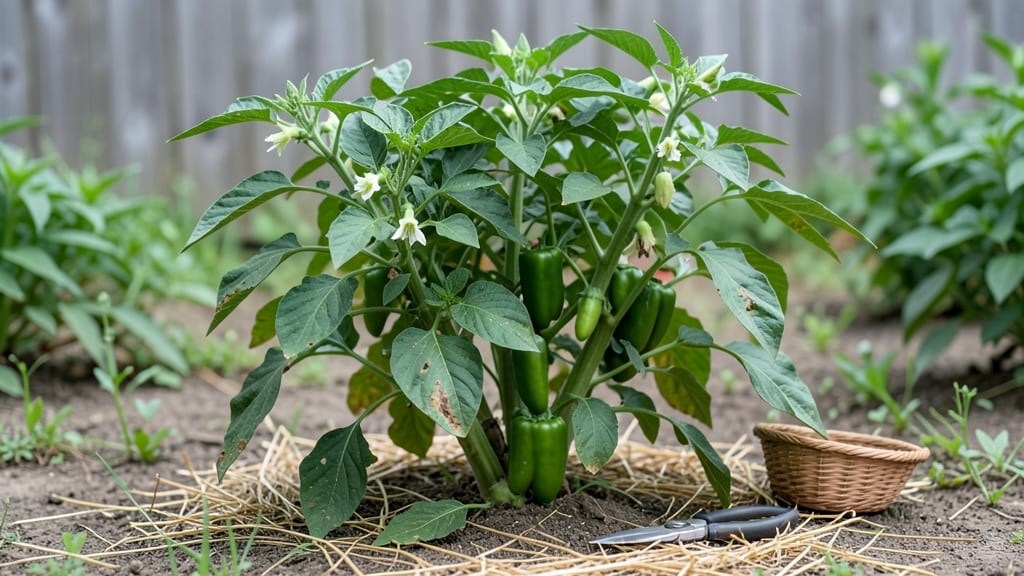
Picking jalapeños from your garden at the right moment means the difference between mild, underripe peppers and bold, heat-packed 🌶️ flavor that turns every dish into a standout. Too early, and you’re left with bland, rubbery pods—too late, and you risk losing that signature kick as they turn red.
Most gardeners wait for deep green color, but the true sweet spot is when your peppers hit 3-5 inches and yield slightly to gentle pressure. That’s when the capsaicin peaks, giving you the fiery punch you planted for.
Miss this window, and you’ll end up with peppers that are either too mild or overly sweet—neither of which is what you’re after.
Here’s the breakdown: harvest 60-90 days after transplanting, focusing on firmness, size, and color cues. Whether you’re canning, drying, or cooking, timing it right ensures every bite packs the heat and complexity your garden worked so hard to deliver.
Below, I’ll walk you through the exact visual and tactile clues to watch for—plus how to adjust for your local climate so you never miss peak season again.


Jalapeño color-stage harvest guide: from green to red for optimal heat
Harvesting jalapeños at the right color stage determines their heat level and flavor intensity. Most gardeners assume green means ready, but red jalapeños pack a milder, sweeter punch with 30% less capsaicin—a trade-off many chefs embrace.
Understanding these stages helps you decide whether to pick for fresh salsa, drying, or fermenting.
Jalapeños transition through three key ripening stages: deep green, light green, and red. Each stage offers distinct Scoville heat units (from 2,500–8,000 SHU in green to 1,000–2,000 SHU when red). For maximum heat, harvest at deep green; for balanced sweetness, wait for red.
Below, I’ll break down visual cues and flavor shifts to help you time your harvest perfectly.
🌱
At the deep green stage, jalapeños are packed with capsaicin, the compound responsible for their signature kick. This is the peak heat window, ideal if you’re making hot sauces or pickled jalapeños.
Look for firm skin that yields slightly when pressed—like a ripe avocado. The stem end should also soften slightly, indicating maturity without over-ripening.
When peppers shift to light green with yellow hints, their heat drops by 30–50%. The flavor becomes earthier, almost nutty, making them perfect for stuffing or grilling. This stage is often overlooked but offers a balanced heat that’s great for cheese dishes or tacos.
Pay attention to the stem separation: if it snaps cleanly when bent, it’s ready.
Finally, red jalapeños are the sweetest and mildest, with a fruity undertone that pairs beautifully with cheese or chocolate. Their Scoville rating plummets to 1,000–2,000 SHU, but their complexity makes them ideal for drying or roasting.
Wait until the entire pepper turns uniform red—no green patches—before harvesting. Overripe peppers (wrinkled or soft) lose flavor, so act quickly.
Pro tip: Harvest in the morning when temperature is coolest. This preserves capsaicin levels and prevents oxidation. Use pruning shears or your fingers to twist peppers gently at the stem—never pull. Store harvested jalapeños in a paper bag in the fridge for up to 2 weeks to slow ripening.
If you’re growing jalapeños in containers, monitor their ripening pace closely—potted plants often mature faster due to warmer soil. In hot climates (Zones 9–11), peppers may ripen in 60–70 days; in cooler zones (6–8), expect 80–90 days.
Adjust your harvest timing based on your local frost dates to avoid losing your crop to early cold snaps.
🌶️
For maximum yield, harvest jalapeños regularly. Leaving peppers on the plant too long diverts energy from new fruit production. Aim to pick every 2–3 days during peak season (July–September) to keep your plants productive. If you’re unsure whether a pepper is ready, taste-test
5 Common mistakes that ruin jalapeño flavor (and how to avoid them)
Even the most attentive gardeners can accidentally turn fiery jalapeños into bland, watery peppers with just a few simple mistakes. Overlooking maturity cues or ignoring environmental stressors can drastically reduce both heat and flavor.
I’ve seen bright green peppers turn rubbery or lose their signature kick—don’t let that happen to your harvest!
One of the biggest blunders is picking jalapeños too early just because they’re green. While green jalapeños are delicious, waiting for the perfect color stage can mean the difference between 2,500 and 8,000 Scoville units.
Equally damaging is letting them over-mature on the vine, which turns them bitter and tough.
⚠️ callout warning
🚨 Warning: The 3-Day Rule
Jalapeños left on the vine more than 3 days past ideal ripeness lose 30-50% of their capsaicin (the compound that creates heat). If your peppers are turning deep red or feel soft and wrinkled, harvest immediately or risk bitter, dull flavor.
Pro Tip: Check peppers every 2-3 days during peak harvest season (July–September) to catch the sweet spot of deep green with slight firmness.
Another critical mistake is harvesting in extreme heat or temperature swings. Jalapeños thrive in 70–85°F conditions, but picking them during midday sun (when temps exceed 90°F) can cause skin burns and premature wilting.
I’ve found that harvesting in the early morning preserves crispness and vibrancy for up to a week in storage.
Poor storage conditions after harvest are another silent flavor killer. Storing jalapeños in the fridge too soon (before they’ve fully matured) halts ripening and dulls heat. Instead, let them ripen at room temperature for 1–2 days post-harvest, then refrigerate to lock in spice.
For long-term storage, freeze them whole or dry slices—both methods preserve capsaicin better than canning.
Finally, ignoring soil and water balance during the growing season sets your peppers up for failure. Overwatering leads to blossom-end rot (black, mushy spots), while underwatering causes pepper shriveling.
I recommend deep watering every 2–3 days and using mulch to retain moisture. A balanced 10-10-10 fertilizer every 4–6 weeks keeps plants vigorous without overloading them.
By avoiding these flavor-destroying mistakes, you’ll harvest jalapeños with bold heat, crisp texture, and complex flavor—ready for salsas, pickling, or fresh snacking. The key is consistency in care and attention to timing. Your taste buds (and dinner guests) will thank you! 🌶️