
Picking
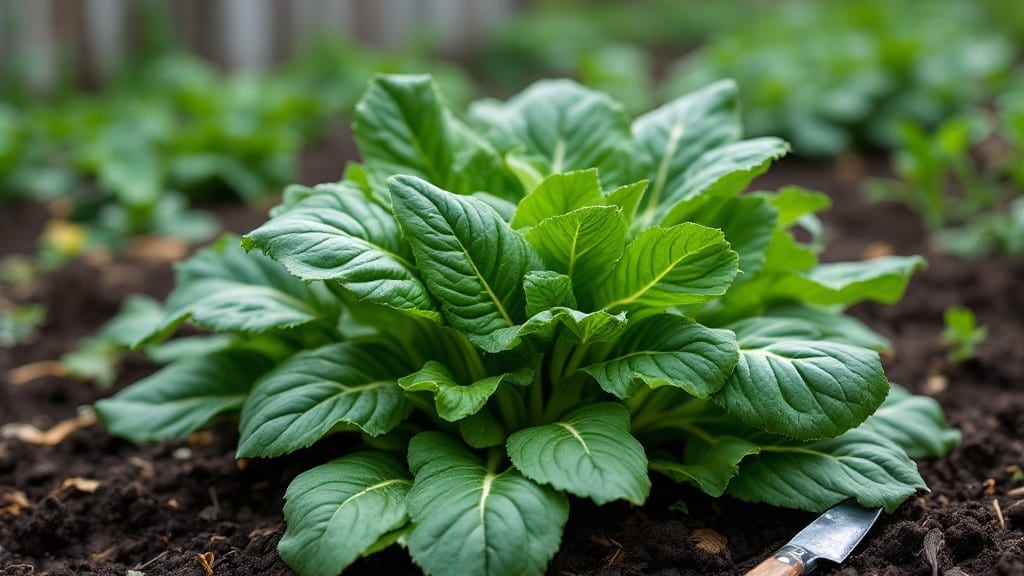
Picking spinach from your garden at the right moment means the difference between tender, sweet leaves and bitter, tough ones—and timing it wrong can ruin your whole harvest.
Harvesting spinach at the right time ensures tender leaves and prevents bitterness—but timing is everything. Miss the window, and you’ll sacrifice flavor, texture, and even yield. Here’s how to pick spinach like a pro for maximum freshness.
For spring plantings in Zone 6a, aim to harvest 6-8 weeks after planting, when leaves reach 4-6 inches long and stay dark green. Check for firm stems and avoid cutting when temperatures rise above 75°F, or your spinach will bolt and turn bitter.
Below, I’ll walk you through the exact visual cues to look for, how often to harvest for continuous growth, and when to stop picking before the heat sets in.


Spinach harvesting stages: how to tell when it’s ready to pick
Knowing when to pick spinach from your garden means the difference between tender, sweet leaves and bitter, tough ones. Spinach matures quickly—usually within 6-8 weeks—but timing is everything. Harvest too early, and you’ll get small, underdeveloped leaves.
Wait too long, and you risk bolting (flowering) or woody stems. Let’s break down the key stages so you never miss the perfect moment.
Spinach leaves come in two main harvest stages: baby leaf and mature leaf. Baby leaves are harvested when they’re just a few inches tall, while mature leaves are fully developed but still tender. The color, size, and texture of the leaves are your best indicators.
Dark green, crisp leaves with a firm but flexible stem are prime for picking, while pale or yellowing leaves signal it’s time to harvest before the plant bolts.
🚨 summary table 🚨
| Stage | Leaf Size | Color | Stem Condition | Harvest Time |
|---|---|---|---|---|
| Baby Leaf | 2-4 inches | Bright green | Soft, tender | 30-45 days |
| Mature Leaf | 4-6 inches | Deep green | Firm, flexible | 45-60 days |
| Overmature | >6 inches | Yellowing, bitter | Woody, tough | Avoid (bolting risk) |
For baby leaf spinach, start harvesting when leaves reach 2-4 inches long. These tender greens are perfect for salads and microgreens. Use clean, sharp scissors to snip the leaves just above the soil line or pinch them off by hand.
Baby leaves regrow quickly, so you can harvest them every 7-10 days for a continuous supply.
When spinach reaches mature leaf stage, the leaves will be 4-6 inches long and deep green. The stems should feel firm but still tender to the touch. This is the ideal time for larger harvests, like sautéing or blanching.
Mature leaves can be harvested by cutting the entire outer leaves at the base or picking individual leaves as needed, leaving the inner leaves to keep growing.
Watch for signs of overmaturity, like yellowing leaves or stems that feel woody. These indicate the plant is stressed or bolting, which happens when spinach senses warm temperatures or long daylight hours.
Bolting turns leaves bitter and tough, so always harvest before this stage. In hot climates, use shade cloth to delay bolting and extend your harvest window.
Temperature plays a big role in spinach maturity. Cool weather (50-65°F) slows growth, while warm weather (>70°F) speeds it up and triggers bolting. Plant spinach in early spring or late summer to avoid heat stress.
If you’re growing in containers, choose compact varieties like 'Baby’s Leaf Hybrid' or 'Space', which mature faster and are less prone to bolting.
To encourage continuous harvests, always cut leaves from the outer edges first. This allows the inner leaves to keep growing while giving you fresh greens. Avoid pulling leaves from the center, as this can damage the plant’s growth point.
With proper care, a single spinach plant can produce harvests for 4-6 weeks, depending on the variety and growing conditions.
If you notice pale or yellowing leaves, it could signal nutrient deficiency or overcrowding. Thin out seedlings to 4-6 inches apart to improve air circulation and reduce competition.
A light application of nitrogen-rich fertilizer can also help revive struggling plants. However, never fertilize right before harvest, as excess nutrients can make leaves bitter.
Store freshly harvested spinach in the fridge for up to 5-7 days, wrapped in a damp paper towel to retain moisture. For longer storage, blanch and freeze leaves. Always wash spinach just before eating to remove dirt, but avoid soaking it, as this can leach out nutrients.
With the right timing and care, you’ll enjoy a steady supply of fresh, flavorful spinach straight from your garden.
🌿
Best practices for harvesting spinach without damaging the plant
When harvesting spinach, the key is to pick leaves at the right stage of maturity to maintain plant health and flavor. Start by selecting the outer leaves first—they’re fully grown while the inner leaves remain tender.
This method encourages continuous regrowth and prevents your spinach from bolting prematurely. Use clean, sharp tools to avoid tearing leaves, which can invite pests or disease.
Spinach thrives on a cut-and-come-again approach, meaning you can harvest leaves repeatedly over weeks. For baby spinach varieties, you can even pick entire plants when they reach 3-4 inches tall.
Mature spinach should have leaves 4-6 inches long and a deep green color before harvesting. Avoid pulling leaves—this damages the plant’s roots and stunts future growth.
⚠️ WARNING: Timing is Critical! ⚠️ Harvesting spinach too early results in small, underdeveloped leaves with weak flavor, while waiting too long risks bitterness or bolting (flowering). In warm weather, spinach bolts quickly—pick leaves before temperatures exceed 75°F (24°C).
For fall harvests, aim to finish picking 4-6 weeks before the first frost to avoid tough, woody stems.
To harvest, use a clean pair of pruning shears or your fingers to pinch leaves at the base. Cut or pinch just above the soil line to encourage new growth. Leave the youngest leaves intact—they’ll continue growing while you harvest the mature outer leaves.
Never remove more than 1/3 of the plant at once to ensure the spinach can recover and produce more leaves.
After harvesting, rinse leaves in cool water to remove dirt and debris, then store them in a plastic bag in the fridge for up to 5-7 days. For long-term storage, blanch and freeze spinach to preserve its nutrients.
If you notice yellowing or wilting after harvesting, it may signal overcrowding or nutrient deficiency—thin plants or fertilize with a nitrogen-rich feed to revive growth.
Common mistakes include harvesting during peak heat (which causes bitterness) or ignoring the plant’s regrowth signals. If spinach starts forming seed stalks, it’s too late—bolting means the plant is done producing tender leaves.
To prevent this, harvest frequently and plant in cooler months (spring or fall). Succession planting every 2-3 weeks ensures a steady supply of fresh spinach all season.
With the right techniques, you can enjoy a continuous harvest of tender, flavorful spinach for weeks. The secret lies in patience and precision: pick at the right time, use the right tools, and give your plants room to regrow.
Soon, you’ll have a thriving spinach patch that keeps giving—without the stress of damaged plants or wasted yield. 🌿