
Picking
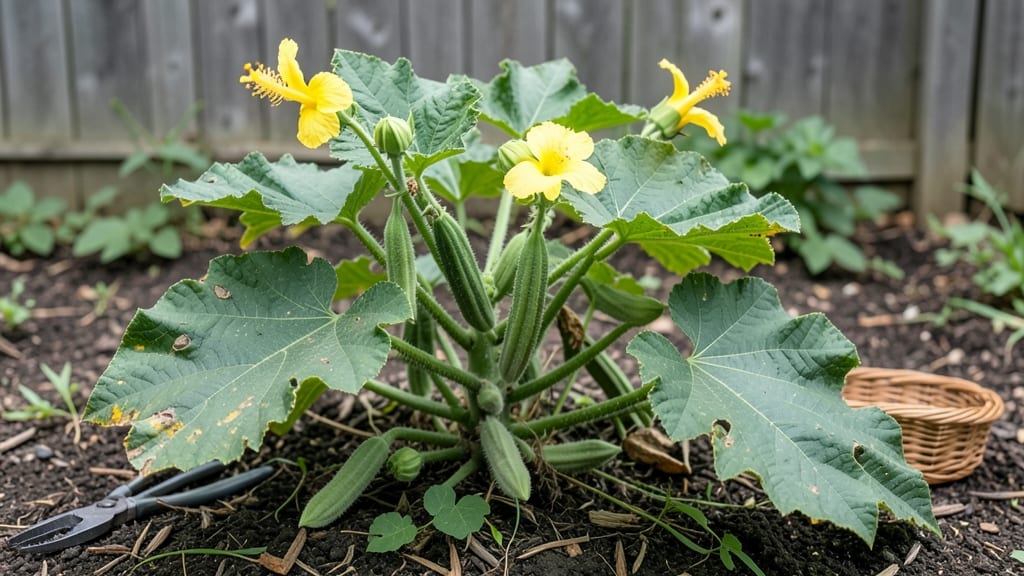
Picking okra from the garden at the right time ensures crisp, tender pods packed with flavor—miss the window, and you’ll end up with tough, woody stalks instead.
Okra’s short window for peak flavor and texture can turn a bountiful harvest into disappointment if you miss the timing—here’s how to know exactly when to pick for crisp, tender pods every time.
Most gardeners wait until pods hit 3–4 inches long, but that’s just the start. The real secret lies in checking for firmness and color—squeeze the pod gently: if it yields slightly, it’s ready. Too soft? Too late.
Below, I’ll break down the three simple signs to harvest at the perfect moment, plus how often to pick to keep your plants producing all summer. No guesswork, just great-tasting okra.


3 Visual signs your okra is ready for harvest (with exact measurements)
Okra grows fast, but its peak flavor window is narrow—just a few days between tender perfection and woody disappointment. The key? Harvesting at the right pod size, color, and texture. I’ve learned the hard way that waiting even a day too long turns crisp pods into tough, seedy messes.
Let’s break down the three unmistakable signs your okra is begging to be picked, plus the exact measurements that guarantee the best taste.
First, forget the old rule of thumb about harvesting okra when it’s "big enough." That vague advice leads to bitter, overgrown pods. Instead, focus on three precise visual cues that tell you exactly when to grab your shears.
These signs work for all okra varieties, from classic Emerald' to 'Clemson Spineless'. Master them, and you’ll enjoy okra that’s crisp, mild, and packed with nutrients—not the tough, stringy pods that end up in the compost.
📏 Sign 1: Pod Length (2–4 Inches)
The sweet spot for okra is when pods measure 2–4 inches long. Below 2 inches, they’re underdeveloped and bland. Above 4 inches, they become fibrous and tough. Use a ruler or tape measure to check—this is the most reliable indicator.
🌿 Sign 2: Color (Deep Green, No Yellowing)
Mature okra pods should be a vibrant, glossy green. If you see yellowing or brown spots, the pod is overripe. Some varieties (like 'Burgundy') develop deep red or purple hues—still harvest when they reach 3–4 inches, regardless of color.
🤲 Sign 3: Texture (Firm but Tender)
Gently squeeze the pod—it should feel firm but yield slightly, like a ripe cucumber. If it’s rock-hard or woody, it’s past its prime. Overripe okra also develops thick, spiky seeds inside, making it unpleasant to eat.
💡 Pro Tip: Harvest in the morning when pods are coolest and most tender. Use clean pruners or a sharp knife to avoid damaging the plant.
Now that you know the three foolproof signs, let’s talk about why pod length matters most. Okra’s cellulose content increases as it grows, turning tender pods into tough, stringy ones.
At 2–4 inches, the seeds are small and edible, and the walls are thin enough to slice easily. Beyond 4 inches, the pods develop thick, chewy fibers that even the most dedicated okra lovers avoid.
Color is your second checkpoint, but it’s not the only factor. Some gardeners swear by harvesting when the pods snap easily—bend a pod sideways, and if it snaps cleanly, it’s ready. If it bends without breaking, wait another day.
This trick works especially well for heirloom varieties with thicker skins. Pair this with the length and color checks, and you’ll never overlook a perfect pod again.
Texture is where many gardeners trip up. A soft or mushy pod means it’s underripe and lacks flavor. A hard, woody pod is past its prime. The ideal texture is firm yet slightly springy, like a just-picked green bean.
To test, press your thumb against the pod—if it leaves a slight dent, it’s ready. If not, give it 24 more hours.
Regional climate plays a role too. In hot, humid zones (USDA 9–11), okra ripens faster—check pods every 2–3 days. In cooler areas (USDA 7–8), they mature slower, so weekly checks suffice.
Always harvest before morning dew dries to preserve tenderness. Pro tip: Wear gloves if your okra has spiny varieties like 'Louisiana Green Velvet'—those needles pack a punch!
One common mistake? Waiting for pods to "get bigger" for better flavor. Bigger ≠ better—it’s the opposite. Overgrown okra loses its nutritional value and develops bitter compounds as a defense mechanism.
The earlier you start harvesting, the more your plant will produce. Once you see 5–6 pods per plant, pick them all to encourage new growth.
Finally, don’t ignore the plant’s signals. If your okra stops producing new pods and the existing ones turn yellow or brown, it’s time to let the plant rest. In short-season climates, this happens by early fall.
In warmer areas, you might get two harvest cycles per year. Always leave 1–2 inches of stem when cutting pods to keep the plant healthy.
With these three visual cues and a little practice, you’ll harvest okra at its peak every time. Trust me, your taste buds—and your dinner guests—will thank you. Now grab those shears and start picking!
Okra harvesting mistakes that ruin flavor (and how to avoid them)
Okra’s delicate balance between tender texture and optimal flavor disappears fast if you harvest at the wrong time. Many gardeners accidentally turn crisp pods into woody, bitter messes—or worse, pick them too early for bland, underdeveloped taste.
The key lies in understanding three critical mistakes that sabotage flavor, plus how to spot them before they happen.
First, let’s tackle the biggest offender: leaving okra on the vine too long. Once pods grow beyond 4-5 inches, their fibrous texture becomes noticeable, and their flavor shifts from sweet to gritty and unpleasant.
Even experienced growers sometimes overlook this because okra plants produce pods rapidly in summer, making it easy to miss the ideal 3-4 inch window.
Second, picking too early is almost as bad. When pods are under 2 inches long, they’re too tender and watery, lacking the nutty depth of properly ripened okra. This mistake is especially common in hot climates where pods mature faster, tricking gardeners into harvesting before they’re ready.
Finally, seasonal timing plays a huge role. Okra grown in short-season zones (USDA 6-8) may only have 60-75 days to mature, while longer growing seasons (USDA 9-10) can stretch harvests into fall. Missing these windows means either stunted pods or overripe harvests.
⚠️ When to Pick Okra from the Garden
Harvest pods at 3-4 inches long—this is the sweet spot for tender texture and peak flavor. Use these 3 quick checks:
- Size: 3-4 inches (about the length of a standard pencil)
- Texture: Firm but tender—squeeze gently; it should yield slightly
- Color: Deep green (avoid yellowing or fuzzy pods)
Pro Tip: Pick in the morning when pods are cool and crisp—this preserves flavor longer.
To avoid these mistakes, I recommend harvesting every 2-3 days during peak production. This keeps plants encouraged to produce more pods and ensures you never let them grow past the ideal size.
In hot climates, check pods daily—they can go from perfect to woody in 24 hours.
If you’re in a shorter growing season, start harvesting as soon as pods reach 2 inches—even if they’re slightly underdeveloped—to maximize your limited harvest window. In longer seasons, you can afford to wait for 4-inch pods but never let them exceed 5 inches.
One last tip: Use sharp pruners or shears to cut pods cleanly—twisting can damage the plant. Store harvested okra in the fridge for up to 5 days or blanch and freeze for long-term storage. With these adjustments, you’ll turn every harvest into a flavor-packed success.