
Vegetables
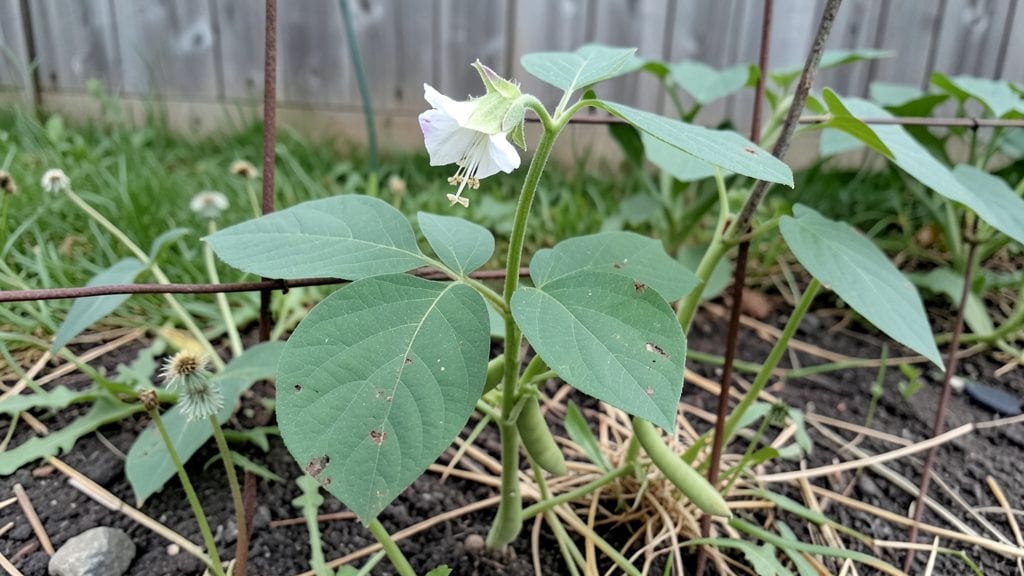
Green bean gardening tips start with one simple truth: the right trellis can triple your harvest in the same space. 🌱 I learned this the hard way after watching my pole beans sprawl across the garden like tangled vines—until I built a 5-foot-tall vertical frame that turned chaos into a lush, productive wall.
The secret isn’t just the trellis, though; it’s how you train the plants to climb efficiently from day one.
Most gardeners overlook soil prep, but green beans thrive in loose, well-draining soil with a pH between 6.0 and 7.0. Mix in compost before planting, and avoid fresh manure—it can cause blossom-end rot.
For vertical growth, choose bush varieties like ‘Blue Lake’ for compact frames or pole beans like ‘Kentucky Wonder’ for taller trellises. Plant seeds 1 inch deep and 4 inches apart, with rows 18 inches apart for airflow. Water gently after planting to settle the soil without disturbing seeds.
By mid-summer, you’ll be harvesting 1-2 cups of beans per plant weekly—and that’s just one trellis. The key is consistent moisture (about 1 inch per week) and regular pruning of side shoots to focus energy upward. Yellowing leaves?
Check for overwatering or aphids; uneven germination often means seeds were too deep or the soil was too cold. With the right setup, your trellis won’t just save space—it’ll become the most productive corner of your garden.
This method works in zones 3-10, whether you’re growing in raised beds, containers, or directly in the ground. Start seeds indoors 2-3 weeks before last frost for a head start, or direct-sow when soil reaches 60°F.
The earlier you plant, the longer your harvest season stretches—sometimes until frost. Now, let’s get those vines climbing!
📚 In This Guide
- What you need
- Instructions
- Tips and common mistakes
- Wrapping up and next steps
What you need
- ● Green Bean Seeds: 50–100 seeds (depending on variety—bush beans need more space, while pole beans thrive on trellises). Opt for heirloom or disease-resistant varieties like Kentucky Wonder or Blue Lake.
- ● Trellis or Vertical Support: DIY Trellis: 6–8 ft tall wooden stakes (2x4s), bamboo poles, or metal cages. Space 2–3 ft apart in rows.
- ● Pre-Made Trellis: Apex trellis netting (10–12 ft long) or A-frame structures for easy assembly.
- ● Garden Soil: Well-draining, loamy soil with a pH of 6.0–7.0. Amend with compost (2–3 inches mixed into the top 6–12 inches of soil).
- ● Fertilizer: Balanced organic fertilizer (10-10-10) or compost tea. Apply at planting and again when vines reach 12 inches.
- ● Mulch: Straw or shredded leaves (2–3 inches) to retain moisture and suppress weeds.
- ● Gardening Gloves (to protect your hands from thorns or rough soil).
- ● Hand Trowel (for planting seeds 1–1.5 inches deep).
- ● Watering Can or Hose with Nozzle (gentle watering prevents seed displacement).
- ● Pruners or Scissors (for trimming vines or harvesting).
- ● Measuring Tape or Ruler (to ensure proper spacing—1–2 inches between seeds, 18–24 inches between rows).
- ○ Optional but Helpful: Plant markers (to track varieties).
- ● Row cover fabric (for early-season frost protection).
- ● Staking twine or zip ties (to secure vines to trellises).
- ● Sunlight: Full sun (6–8 hours daily). Choose a south-facing spot if possible.
- ● Water: Consistent moisture (1–1.5 inches per week). Drip irrigation works best to avoid wetting leaves.
- ● Climate: Plant after the last frost (when soil temps reach 60°F+). Green beans thrive in USDA zones 3–11.
- ● Spacing: Pole beans need 4–6 inches between plants and 18–24 inches between rows. Bush beans require 4–6 inches apart in all directions.
Step-by-Step instructions for building a vertical trellis for green beans
Here's how I transform a small space into a high-yielding green bean factory using simple materials.
🪴 Step 1: Choose and Assemble the Trellis Frame
Start with 4-foot tall T-posts spaced 6 feet apart in rows. Drive the posts 12 inches deep into the soil for stability—this prevents leaning when vines get heavy. Connect them at the top with 2x4 lumber, creating a sturdy rectangle. I reinforce the joints with galvanized screws (not nails) to handle wind and bean weight.
For a 4-plant yield, build two parallel trellises 3 feet apart. This creates a 5-foot wide growing corridor that maximizes sunlight exposure on both sides. The wider spacing prevents shading and allows easy access for harvesting. Use a level to ensure the trellis stays perfectly vertical—crooked frames will cause vines to grow unevenly.
🌱 Step 2: Install Twine or Netting for Vine Support
Stretch 12-gauge galvanized wire horizontally between the trellis posts, spacing each strand 6 inches apart vertically. This creates a ladder-like structure that guides vines upward naturally. Alternatively, use jute twine for a biodegradable option, though it may need replacing mid-season if beans get too heavy.
Anchor the wire at both ends with zip ties to prevent slipping. I like to leave 4 inches of slack at the bottom to allow for soil settling and early vine growth. The goal is to create a diagonal support system—vines will spiral upward as they grow, so the wider the spacing between strands, the more they'll cling naturally.
☀️ Step 3: Plant Seeds Along the Trellis Base
Dig holes 1 inch deep along the trellis line, spacing them 4 inches apart for bush varieties or 6 inches apart for pole beans. Place 2-3 seeds per hole (they won't all germinate) and cover lightly with soil. Water gently but deeply—1 gallon per foot of row—to settle the soil without disturbing seeds.
Here's the trick: plant seeds slightly off-center from the trellis, about 2 inches away. This gives roots room to establish before vines reach upward. Once seedlings emerge, thin to the strongest plant per hole. Watch for first true leaves (not the initial seed leaves)—this signals it's safe to thin without harming the remaining plants.
🌿 Step 4: Train Vines and Maintain Growth
When vines reach 6 inches tall, gently weave them through the trellis wire strands. Don't force them—let them climb naturally. I use soft garden twine to loosely tie vines to the wire if they struggle, but only when necessary. Over-tightening restricts growth and can damage stems.
Water at the base of the trellis every 2-3 days during dry spells, aiming for 1-2 gallons per plant. You'll know you're doing it right when the soil feels damp 2 inches down but not soggy. Avoid wetting leaves to prevent fungal diseases like rust, which can devastate a crop overnight. Mulch with straw to retain moisture and suppress weeds.
✂️ Step 5: Harvest and Prune for Continuous Production
Start harvesting when pods reach 4-6 inches long and are firm but tender. Pick every 2-3 days to encourage more production—beans left on the vine will toughen and reduce yield. I harvest in the morning when pods are coolest, which preserves flavor and texture.
After the first harvest wave, trim back any yellowing or diseased leaves immediately with sterilized pruning shears. This redirects energy to new growth. For bush varieties, you can remove entire plants once they finish producing, but pole beans will keep yielding if you maintain them. Watch for flowering slowdowns—this signals the plant may need balanced fertilizer (10-10-10) applied lightly to the soil.
Tips & tricks for perfect vertical green bean trellises
Transforming your garden into a high-yielding green bean haven starts with these essential tricks that turn good yields into exceptional ones.
Frame Stability is Non-Negotiable: In Step 1, when assembling your 4-foot T-posts, don't skimp on depth—those 12 inches underground are what keep your trellis standing firm through wind and bean weight. I've seen trellises collapse under heavy crops when posts weren't driven deep enough. For extra insurance, especially in windy areas, add a diagonal brace between posts using scrap 2x4 lumber. This creates a triangle structure that's inherently stronger than rectangular frames.
The Diagonal Wire System: The 6-inch vertical spacing between wire strands in Step 2 creates the perfect diagonal climbing path for green bean vines. Here's the trick I learned after several failed attempts: stretch the wire slightly taut but leave that 4-inch slack at the bottom. This creates a gentle curve that guides vines upward naturally without forcing them. Too tight, and you'll restrict growth; too loose, and vines won't find purchase. Think of it like a vine staircase where each step is just wide enough for little hands to grip.
Seed Spacing Precision: When planting in Step 3, that 2-inch offset from the trellis might seem counterintuitive, but it's what gives roots the space to establish before vines reach upward. I've found that planting directly against the trellis often leads to root competition with the structure itself. For bush varieties, maintain those 4-inch spacing intervals—any closer, and you'll be fighting for sunlight. For pole beans, the 6-inch spacing gives each plant room to develop a strong root system that will support heavy yields.
Watering Wisdom: The 2-3 day watering schedule in Step 4 works beautifully, but timing matters just as much as frequency. Water in the early morning when evaporation rates are lowest, and always direct the stream to the base of the trellis. I've seen entire harvests lost to fungal diseases because water splashed onto leaves instead of soaking the soil. That 1-2 gallons per plant target assumes average soil—if your garden has sandy soil, you may need to water more frequently, while clay soils might need less. Always check that 2-inch soil depth for dampness, not sogginess.
Pro Tips for Green Bean Gardening Tips
- Transforming your garden into a high-yielding green bean haven starts with these essential tricks that turn good yields into exceptional ones.
- Frame Stability is Non-Negotiable: In Step 1, when assembling your 4-foot T-posts, don't skimp on depth—those 12 inches underground are what keep your trellis standing firm through wind and bean weight.
- The Diagonal Wire System: The 6-inch vertical spacing between wire strands in Step 2 creates the perfect diagonal climbing path for green bean vines.
Frequently asked questions
Got questions about growing lush, high-yield green beans? We’ve got answers! Here are some of the most common queries from gardeners—whether you’re a beginner or a seasoned pro.
When is the best time to plant green beans?
Green beans thrive in cool weather, so plant them 1 to 2 weeks after your last frost date in spring. For a fall harvest, sow seeds 8 to 10 weeks before your first frost. Avoid planting in hot, dry soil—beans prefer temperatures between 60°F and 75°F (15°C–24°C).
Can I grow green beans in containers or small spaces?
Bush beans (compact varieties) work great in 5-gallon containers or deep pots, while pole beans need a tall trellis (6+ feet). Just ensure containers have drainage holes and use a lightweight, well-draining soil mix. Rotate containers for even sun exposure!
How do I keep pests like aphids or bean beetles away?
Start with healthy soil and companion planting—try marigolds, nasturtiums, or herbs like basil nearby. For pests, use neem oil spray or introduce ladybugs. Handpick larger beetles early in the morning. Avoid overwatering, which attracts slugs—use copper barriers or diatomaceous earth if needed.
Why are my green beans flowering but not producing pods?
This usually means your beans need better pollination or warmer temps. Hand-pollinate by gently shaking plants or using a small brush to transfer pollen. Ensure daytime temps stay above 70°F (21°C)—beans often stop producing in extreme heat. Check for over-fertilization with nitrogen (too much = more leaves, fewer pods!).
Can I save seeds from my homegrown green beans?
Yes! Let a few pods fully mature and dry on the vine until they turn hard and papery. Harvest seeds, clean them, and store in a cool, dry place for up to 3 years. Note: Heirloom or open-pollinated varieties are best for seed-saving—hybrids may not grow true.
Wrapping up and next steps
Growing green beans with a vertical trellis isn’t just smart—it’s rewarding! By maximizing space, improving airflow, and boosting yields, you’ll enjoy a bountiful harvest with minimal effort. Whether you’re a beginner or a seasoned gardener, these tips make the process simple and fun.
Ready to transform your garden? Start small—plant a few seeds or a single trellis this season—and watch your green beans climb to new heights! 🌱 Happy gardening!