Shrubs
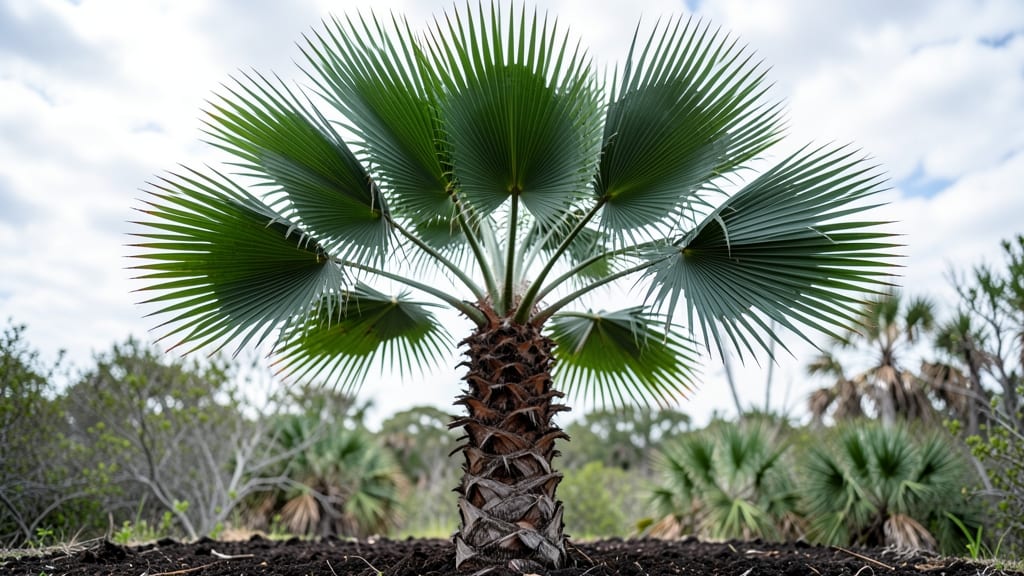
Understanding Florida’s gardening zones is essential for selecting the right plants, as they span USDA Zone 8a (northern areas) to Zone 11 (southern Keys), with microclimates creating variations. Coastal regions are warmer, while inland zones may experience cooler winters. Choose plants suited to your specific zone’s frost-free days and humidity levels for optimal growth.
Florida’s unique geography creates a patchwork of growing conditions that can vary dramatically even within a single county. 🌿 For example, the Everglades in Zone 11 rarely see frost, while Orlando’s Zone 9b might experience light freezes during unexpected cold snaps.
This diversity means your garden’s success depends on knowing whether your yard sits in a heat island (urban areas) or a cooler microclimate near water bodies. Native plants like coontie palms thrive in Zone 10’s heat, while muhly grass adapts beautifully to Zone 8’s occasional temperature drops.
What many gardeners overlook is how humidity plays a role—some tropical plants wilt in Zone 8’s drier winters, while others thrive. 💫 Testing your local conditions with a simple soil thermometer during the coldest months can save you from costly plant losses.
The USDA map is a great starting point, but combining it with your neighborhood’s specific frost dates and rainfall patterns will give you the most accurate picture of what will grow best in your yard.
💡 In This Article
- How Florida’s USDA Zones Affect Plant Survival
- Best Plants for Each Florida Gardening Zone
How Florida’s USDA zones affect plant survival
Florida's gardening zones create a dramatic temperature spectrum that directly impacts plant physiology. In Zone 8a, where winter lows can drop to 10-15°F, plants must survive short but intense cold snaps through mechanisms like antifreeze proteins that prevent cell damage.
Meanwhile, Zone 11's year-round warmth (average lows of 60-70°F) allows tropical species to thrive without dormancy cycles. The key difference lies in how plants handle these extremes: cold-hardy varieties develop thicker cell walls and store carbohydrates for energy during winter, while heat-tolerant species prioritize moisture retention and shade adaptation.
The science gets even more interesting when you consider humidity's role. Florida's average relative humidity hovers around 70-90%, creating ideal conditions for fungal diseases in Zone 8 but also allowing plants to transpire more efficiently in Zone 11's heat.
For example, citrus trees in Zone 10 require 35-50 inches of annual rainfall to prevent stress, while the same trees in Zone 8 might need supplemental irrigation during dry winters.
The humidity also affects soil temperature - wetter soils stay cooler longer, creating microclimates where tropical plants can survive brief cold snaps that would otherwise kill them.
Microclimates add another layer of complexity. Urban areas like Miami (Zone 10b) can be 5-10°F warmer than surrounding rural areas due to the "heat island" effect from pavement and buildings.
This means a plant labeled for Zone 10 might thrive in downtown Miami but struggle just 10 miles away in a more open, cooler area. Coastal regions benefit from moderating ocean breezes that prevent extreme temperature swings, while inland areas experience more dramatic daily fluctuations.
These variations explain why some gardeners in Zone 9 can grow tropical plants successfully while their neighbors just a few blocks away face winter die-offs.
What most people don't realize is how frost risk varies even within the same zone. Zone 9a (with 25-30 frost-free days) might see light freezes every few years, while Zone 9b typically has 30-35 frost-free days annually.
This difference means the margin for error with tropical plants is razor-thin - a single 28°F night could devastate a garden in Zone 9a but leave Zone 10 plants unharmed.
The solution lies in understanding your specific frost dates and choosing plants with appropriate cold tolerance thresholds, often just a few degrees apart.
Consider the case of hibiscus plants - a favorite in Florida gardens. While tropical hibiscus (Hibiscus rosa-sinensis) thrives in Zone 10-11, hardy hibiscus (Hibiscus moscheutos) can survive Zone 5-9 winters.
The difference comes down to their cellular structures: tropical varieties have thinner cell membranes that rupture at 32°F, while hardy types produce protective sugars that prevent ice crystal formation until 20°F.
This biological adaptation explains why you'll see hibiscus growing successfully in both Miami and Orlando despite being in different zones.
The interaction between temperature and humidity creates what botanists call "thermal time" - the accumulated heat units plants need to grow. In Florida, this means tropical plants in Zone 11 may complete their growth cycles year-round, while Zone 8 plants must wait for warmer months.
For example, sweet potatoes take 90-120 days to mature in Zone 10 but may need 135-150 days in Zone 8 due to cooler temperatures slowing metabolic processes. Understanding these growth rate differences is crucial for timing plantings and harvests successfully.
Here's what you can do with this knowledge: Start by identifying your specific microclimate within your zone, then select plants whose temperature and humidity requirements match your local conditions.
Native Florida plants like firebush (Zone 8-11) and coontie palm (Zone 9-11) are excellent choices because they've evolved to thrive in these specific conditions. 🌿 For tropical plants, consider using frost blankets during unexpected cold snaps in Zone 9, as even a few degrees of protection can mean the difference between life and death for your garden.